Change Our Thinking About Food

“I realized that the answer to the supposedly incredibly complicated question of what we should eat wasn’t so complicated after all, and in fact could be boiled down to just seven words: Eat food. Not too much. Mostly plants.”

Michael Pollan, Food Rules An Eater’s Manual

Recently a friend and I went out for breakfast and had a long chat about food. Specifically, we talked about the impact diet rules had on our thoughts around eating. She spoke about not eating fruit or carbohydrates from years of doing keto diets. Many diets, like keto, have hard rules about what one can and cannot eat, or do. These rules are presented, much like the gospel, as the answer to all our problems. One of the most commonly known rules, no carbohydrates allowed, has shaped the eating habits of millions of people and not always in a good way.

I have another friend who did the Atkins diet for years, which according to her interpretation, mandated no carbohydrates ever. She ate iceberg lettuce (not much nutritional value) and roasted chicken breast every day for years. I asked why she couldn’t eat vegetables instead of this type of lettuce and she informed me that vegetables had “a lot of carbohydrates” and iceberg lettuce was “mainly water”, making it a better choice. I remember trying to talk some sense into her, but she would not be swayed. She ate very little food throughout the day, as it was hard to “find things that had no carbohydrates.” I watched as she got very thin and honestly, sickly looking. I watched as her hair starting falling out, likely from lack of nutrition. It was truly disturbing for me to watch and she wouldn’t listen to any of my pleas to reconsider. My friend is not alone in letting diet rules shape her thinking, causing unintended consequences on their health as a result. These types of hard rules are something I have an issue with, and believe are causing food misconceptions that can do more harm than good.

The diet industry has in large part been the driving force behind many of these misconceptions, through the unchecked offerings of quick fixes and holy grails to being thin. There is no one way to be healthy that works for every body, as every body is unique and has individual needs, especially if you have a medical condition. That said, I’d like to take a look at a few of the major “rules” most followed and offer an alternative option to think about.

No Carbohydrates

This is one of the most popular diet rules people follow to lose weight. I would steer clear of any rule, or diet, that is based on completely eliminating an entire food group. The main issue is that the body needs carbohydrates to function properly. They are our main energy source and in fact our brains get at least 20% of their energy from carbohydrates.

That said, not all carbohydrates are the same, meaning we can make healthier food choices in this category. Although refined carbs can be harmful when consumed in excess, whole-food sources of carbs are incredibly healthy. Therefore, the quality of carbohydrates we eat are more important than the quantity. Rather than elimination of this much needed food group, it is recommended that we reduce our intake of refined carbs (white bread, white flour pasta, cookies, soda) in the diet and replace them with complex carbohydrates such as whole grains, fruits, vegetables and legumes.

Good vs. Bad Foods

There are truly no bad foods, as all foods have something in them that our body can use for nutrition. Obviously there are healthier choices we can make, but labeling foods good and bad can have a huge impact on our mental health. If I go out to eat, I should not feel guilty if I eat a piece of bread, eat a potato or drink a glass of wine. Attaching moral labels to food consumption is just not healthy for anyone, as that can lead to feelings of guilt and shame about ourselves, based on what we eat.

I prefer here to think about progress, not perfection when making food selections. Instead of avoiding perceived bad foods, I focus on making healthier choices. If I want to eat something less healthy, like a piece of bread, I eat it in moderation. Depriving myself of it will only make me resentful and want it more. There is no guilt to be had in eating food, just make informed choices when planning your meals. Don’t try to eat perfectly 100% of the time. Rather, do your best to select healthier foods and know that occasionally you may eat something less healthy. If I look at my personal eating, I went from eating mostly take in, or restaurant food, to cooking 90% of my meals. I have zero guilt when I do go out to eat and I try to select healthier options, but if there is something I really want, I will order it without hesitation.

Eat Everything on Your Plate

I was raised to believe that not finishing everything on my plate was bad. I was told that there were people starving in the world, who would be more thankful for the food and that not eating all of mine was wasteful. I am sure many of you can relate to that thinking. My parents were not bad people, that was just the thinking at the time, but we know better now. There is no reason to eat more than you need to eat to feel satisfied. Portions are mostly too big, especially in restaurants, even at home. Our body knows when it has had enough and we should listen to it. I have gotten much better at not forcing myself to “clean” my plate when eating.

When I eat, I have slowed down to give myself a chance to feel full. There is a delay in the body recognizing it has been fed, so slow down, take your time and I bet you will find you eat less. When plating food at home, I have significantly reduced the portions I initially serve. There is always food for seconds, if we are still hungry, so no need to pile it on the plate. When I dine out, I generally ask for a take home box when the food arrives. I put half of my food in the box before eating. I eat half the meal, pause, then if I am still hungry I eat more. If not, my box is packed and ready to go home.

Changing Our Thinking

Any food rule that is restrictive can do more harm than good. Restrictive rules seek to rule our choices with hard rules, such as – no carbs, can’t have fruit or elimination of entire food group. To overcome these rules, we need to start by looking at our own thinking and ask, “What rules am I living by?”, “What role does that have on how I feel about myself?” and “How does that shape my food selection?” Consider writing these thoughts down to help you really think about the impact this thinking has had on you.

To truly break free from these rules, one needs to create a healthier relationship with food. These past four weeks, I have been really examining my own thinking around eating. As I have said in this blog, I have been eating primarily whole food, plant based items to see if my gut health improves. That said, when I first shifted, I was overly focused on tracking my macronutrient intake. I engaged in the above reflection around my food thinking and came to realize, I had some food misconceptions deeply ingrained in my thought process. It is definitely a work in progress, but I am studying the research and trying to educate myself as a means to make healthier choices.

If you connected to something in this blog, please do reach out. I love the messages I get about your journeys. It’s always great to hear your thoughts and ideas and to know I am not alone on this path. You can reach me on by email at laurakump@reclaiminghealthblog.com, on Instagram or in the comment section below.

Cooking to Nourish Your Mind, Body & Soul

“No one who cooks, cooks alone. Even at her most solitary, a cook in the kitchen is surrounded by generations of cooks past, the advice and menus of cooks present, the wisdom of cookbook writers.

Laurie Colwin

The weekend after my high school graduation, I took my first apartment. At 18 years old, I wasn’t much of a cook and hadn’t had much appreciation for the meals my grandmother, or mother, had made. Fast food and cake were my main selections for meals. 

Newly married at 21, I had a small repertoire of recipes I could cook. It wasn’t extensive, but I could whip up some meat and potatoes and a bag of frozen vegetables. Pizza and baked ziti were my main selections for meals.

As a new mother at 25, I wanted to feed my infant son fresh foods, not foods in jars, as I was afraid of what might also be in them. I purchased my first crockpot and many fresh vegetables from the supermarket. I pureed these cooked vegetables and fruits and made homemade food for my son. Too tired to cook; pizza, baked ziti and tuna casserole were my main selections for meals.

Following the death of my beloved grandmother at 28, I took over hosting of all family holidays. I began developing the art of cooking the holiday meal from scratch. This was my gift of love to my family and helped keep family traditions alive. I really enjoyed doing it, however, too tired from raising three children and working full time, calling out for dinner was my main selection for meals.

When my mother was diagnosed with Alzheimer’s, I began cooking to keep my mind off watching her slowing leave us. Chopping up vegetables and onions became a form of therapy for me. Eating the delicious foods borne from following recipes and cooking shows, coupled with a nice bottle of wine became my main selection for meals.

Cooking is an art form and labor of love, but it is also one of the best things you can do for your health and well being. Cooking gives you control over what you are putting into your body, as you select and control the ingredients used. It is far healthier than eating fast food, or restaurant food regularly. The amount of fat and sodium consumed when eating out regularly cannot be denied. Cooking can be time consuming, especially at first, but I realized through my journey that it is truly worth the effort. 

Cooking has been so therapeutic for me and I cannot understate the joy it has provided as well. When journeying through the difficult walk of Alzheimer’s disease, it provided me great comfort, like a warm blanket. The cutting board, the chopping, the art of preparing a wholesome meal all brought calmness to my mind. Preparing family recipes kept me connected to family traditions and memories. It felt as if my grandmothers, mother and aunts were by my side guiding me along. Of course, there also was no denying the positive impact cooking had on my nutrition and health. Blood tests showed the improvement, as did my waist size and fitness level.

Cooking is love of self and family and likely the best gift you can give to yourself and them. It can be hard to do, especially when working full time, believe me I have been there. This is not a call to be tied to your stove, rather it is a call to see the value found in the art of cooking. With that in mind, here are some of the simple actions I took when starting out that helped me stick to it.

  • Plan Realistically – It’s easy to get overwhelmed, so plan out what you will cook and don’t take on too much at first. List meals you will prepare for breakfast, lunch and dinner. I use a calendar template to list the meals I will have for each day and include where to find the recipe. If you do this on your computer, you can make a live link to the recipe. You can also, reuse weekly plans as you go and create a rotation.
  • Plan for Shopping – As I pick meals, I list the ingredients I will need to shop for. I list items by the aisle they are found in, ex., Produce, Frozen, etc. This makes shopping quicker. I only buy what I need to reduce costs and waste, ex. if I need one sweet potato that’s what I buy, not the whole bag.
  • Plan for Leftovers – As I pick meals, I think about using leftovers for lunch and/or dinners. Example, a vegetable lasagna tray can be used for at least two dinners, or lunch and an additional dinner. So planning out the week, I take that into account. This cuts down on over buying and waste of food. It also removes cooking from several nights.
  • Recipe Selection – Choose recipes that don’t have a ton of ingredients. Less is often more when cooking. Focus on clean, healthy ingredients and flavors you love. There are so many offerings online and on Instagram. Find a cook you love and peruse their offerings.
  • Meal Prep – I don’t like spending a whole day cooking on my weekends, never did. There is value in prepping though to save time throughout the week. Breakfast is the easiest meal to prep for the week. If you have having overnight oatmeal, it’s very easy to make several containers at once and put them in the refrigerator, eliminating any need to cook in the morning. This week, I baked a quick oatmeal, buckwheat, hemp and quinoa recipe that was cut into eight slices for eight breakfast grabs. Other items I like to prep for are granola options for over acaci bowls, or cashew yogurt. Finally, salad dressing options are made to last a few days. 
  • Vegetables – I prefer fresh, but have started using frozen organic options for some recipes. This cuts down on the chopping time needed to prepare for recipes. Frozen vegetables and fruits have great nutritional value and can lessen the time needed to get a recipe on the stove.
  • Whole Food Plant Based – these recipes take less time to prepare than most meat recipes and are great options for a work night. I made a delicious red lentil, walnut and mushroom bolognese sauce last night that was cooked and on the table in just under 60 minutes. These meals are also easier to digest in the evening when you may head to bed earlier.
  • Prepare Before Starting – I pull out and line up all ingredients I will need prior to beginning a cooking session. It takes a few extra minutes up front, but is well worth the time. I even measure out the spices and have them ready to just put into the pan. All of this makes following a recipe and cooking so much easier! I promise.
  • Clean Up as You Go – I clean and put things away as I go, making it so much easier when we are done eating to clean up. Leaving everything in the sink and out, as my husband would do, makes it feel overwhelming and messy. Once something is on the stove simmering, or in the oven, it is the perfect time to clean up and put things away. This often leaves me with only dinner dishes to rinse and put in the dishwasher when we are finished eating.
  • Start Small – If you are new cooking, or haven’t cooked in awhile, start small. Commit to cooking one meal a day for the first week. This will keep you from feeling overwhelmed. You can add other meals as you go, when you feel ready.

I hope you found something helpful in these suggestions. Go easy and give yourself grace to find what works for you. The most important thing, is that I hope you cook. 

We talked about doing something new to spark motivation in last week’s post. Perhaps cooking can be that something new. I truly hope it is. If you are already in love with cooking, please share some ideas with me through email at laurakump@reclaiminghealth.blog , Instagram @reclaiminghealthblog or in the comment section below. 
Try Something New

“I always did something I was a little not ready to do. I think that’s how you grow. When there’s that moment of ‘Wow, I’m not really sure I can do this,’ and you push through those moments, that’s when you have a breakthrough. Sometimes that’s a sign that something really good is about to happen. You’re about to grow and learn a lot about yourself” -Marissa Mayer

As we enter February, we may have lost some of our mojo when it comes to work out promises made at the New Year. The initial excitement about getting into shape may now be starting to wane. I know the crowds at the gym here have started to diminish greatly, as happens every year. It’s the same cycle every year and one that gets even the most well intentioned of us, myself included. This year however, I made a promise to myself that I would not give up on my journey during these cold winter days. This year, I made a promise to myself that I would not have to start over from scratch come spring.

Sometimes when motivation starts to dwindle, trying something new can be just the spark you need to keep going. Switching things up and adding some variety to your routines can be the ticket you to hold on. For me, I have added in very short runs to my week and started a WFPB (whole food, plant based) nutrition course. Both have served to peak my need to learn and grow and push through these moments of wanting to nest in my home under a blanket.

I was not planning to add a plant based certificate to my coursework, but have been struggling with some gut health issues recently. After researching and truly reflecting on it, I felt the time was right to explore my long standing difficulties with getting enough fiber in my diet without supplementation. I have a long history of not loving vegetables and irrational thinking about the sugar found in fruit. I decided it was time to dive deeply into the world of plant based nutrition and felt WFPB was the best place to start. I was definitely not sure I would be able to survive, much less thrive, if I only ate whole plant based foods.

This is my second week of eating WFPB and I must admit that I actually do feel better. I had some diverticulitis symptoms and was beginning to worry, but this week I haven’t felt the nagging pain on my left side following eating. It’s far too soon to tell the true impact, but I am most definitely motivated to keep going. I am excited to continue to learn and try new foods and track my growth in the process.

If you are feeling stuck and losing motivation to eat healthy, workout or do any of the things you loved, consider trying something new and see if it reignites your passion. Is there something you’ve been wanting to do, but haven’t? It can be anything, not just health related items. Have you always wanted to learn to crochet?, Wanted to learn about plant based cooking? Whatever it is, do it! It could be just what you need to climb out of the winter freeze and move into the spring thaw with stronger motivation. 

In my case, I knew my intake of vegetables and fruits was weak. I started thinking about it and researching it. I then took the following steps:

  • Learn – It’s important to engage in the process of learning new information. It is great for your brain and can build excitement around the process, as well as give you the tools you need to try it.
  • Add On – What are you already doing that this new learning will improve? I love to cook and was excited to add new recipes, ingredients and meals to my repertoire. As a health coach, I knew I would interact with clients who have different preferences for their foods and wanted to build a better knowledge around this topic.
  • Connect – Find others who share your passion. One of the blessings of social media is that you can find your tribe as you learn and grow. I found a group of WFPB people who have offered support and ideas as I learn. 
  • Push Through – Decide to do it and really try to stick to it. Focus on progress not perfection and do what you feel you can commit to right now. In my case, I went cold turkey, but that is because I am not working full time. If I was still working, I would have likely committed to add one WFPB meal to each day. 

Whatever you decide to do, give yourself grace. The goal is to spark motivation, not overwhelm yourself. Remember, it’s the small steps that add up to big change, but that won’t happen if we get overwhelmed. For example, if you want to learn to crochet, don’t set out to make an afghan right from the start. It’s likely best to start with making one chain of stitches. Once you have that down, move to making one full square block. Finally, over time you will move to making an afghan blanket. Using these small steps over time, you will hold on to your motivation as you celebrate those successful moments along the way.

I’m excited to hear about your new passions and how they helped motivate you to keep moving forward. Please do reach out to share them with me at laurakump@reclaiminghealth.blog , on Instagram @reclaiminghealthblog , or in the comment section below.

Eat to Live

I don’t have a diet. Jenny Craig got a diet. Seriously. I eat to live, not to die.

Bernard Hopkins

There are so many quotes attributed to Ben Franklin that we hear still today.  “Eat to live, don’t live to eat’’ is one of those quotes. Franklin believed that eating in excess should not be one’s favorite activity, rather they should eat to stay healthy, not over indulge. Further, he feels that eating shouldn’t be your favorite activity, but rather what you do to be healthy. While you may not agree with Franklin’s philosophy, it’s important to note that he lived for 84 years, which is well above the average lifespan of his time.

There seem to be two schools of thought on this topic, eat to live vs live to eat. I have been in love with food for most of my life. I love to cook and get so much happiness out of preparing a delicious meal for my friends and family. I also have been an emotional eater most of my life, using food to eat my emotions and feelings. Food has been a great source of comfort during the difficult times of my life. These actions put me solidly in the live to eat category. I love to plan menus, shop for ingredients and create tasty meals. Food has been much more than fuel for me and many times my day revolves around what meals I will be eating. 

On this health journey, I am trying to shift my relationship with food to find a healthier balance. Knowledge is power, so I have been studying the role of nutrition on aging and longevity. There is so much to dive into and I am at the beginning of this learning, but my goal is to focus on what I need to eat to live. I can definitively say that I have not been eating foods that will help me live to see my 84th birthday like Ben Franklin did. I have long been a vegetable hater and most meals didn’t include vegetables or fruit on my plate, aside from the salad. 

Understanding what food makes me feel energized and what food makes me feel sick is an important first step. I have been exploring whole food plant based meal planning to improve my health. There’s excellent scientific evidence that many chronic diseases can be prevented, controlled, or even reversed by eating a whole food, plant based diet. 

A whole-food, plant-based diet is based on the following principles:

”Whole foods”: That means whole, unrefined, or minimally refined ingredients.

“Plant-based”: Food that comes from plants and is
free of animal ingredients such as meat, milk, eggs, or honey.

My readers know that I am about simplicity always and this shift feels huge for me. It is not realistic to expect that I will go cold turkey and eat only plant based meals from day one. To make this shift feel more doable, I have implemented the following shifts:

  • Progress not perfection – I am giving myself grace knowing that small changes will have a compound effect and not sweating the slip ups along the way.
  • Focus on one meal at a time – Reworking my whole menu at once causes major stress for me. I am focusing on one meal at a time. My breakfast was clean, so I am leaving that alone for now. I am focusing on my main meal of the day and trying to rework that to WFPB.
  • Reduce animal products – I am working to reduce animal and dairy products, but again it’s not all or nothing. Thinking about “never” eating a meatball, or mozzarella cheese again causes major FOMO for me. Right now I am hoping to introduce meatless days with the premise that they will increase in frequency over time.

An eating to live approach suggests that we need variety and essential nutrients. My living to eat mindset adds the emphasis on pleasure and enjoyment. I believe both mindsets are essential to my success, which is why I am taking it slow and hoping that the natural shift to craving more nutritious foods happens over time. Then I know I will feel the same sense of pleasure in planning, cooking and eating these healthier foods. I will let you know how it goes. 

For more information on WFPB eating, check out Eat to Live by Dr Joel Fuhrman and Forks Over Knives Plan:How to Transition to the Life-Saving, Whole-Food, Plant-Based Diet. Also, check out the Blue Zone and You Are What you Eat A Twin Experiment, both on Netflix.

If you have any questions, or want to share your journey, please reach out to me at laurakump@reclaiminghealthblog.com , on Instagram , or in the comment section below. 

Hold On

Coming out of the holidays, I found myself feeling under the weather. It is so hard to stay on track when we aren’t feeling well. Our body needs rest and we want to keep pushing, but rest is what we need. I’ve learned that our body knows best what it needs, if we choose to listen. This time, I chose to listen. 

I was in bed for a week with the flu at the holidays. Initially, I wasn’t hungry at all. After, I was so hungry that I found myself craving foods I haven’t been eating, think pizza, pasta and snacks. In the past, this time of year was always when I went down the rabbit hole, beat myself up for being lazy and gave up. If I look deeply at my health journey, I see the patterns so clearly. Spring and Summer, highly active periods with good habits, motivation and weight loss. Fall holding steady. Winter lower energy period with weight gains and loss of interest in healthy habits. When I was young, I used to call it my hibernation period during which I needed the extra weight to get through. It just became the normal flow of my life.

If you’ve been following my journey, you know how central being outside in nature is to it. I believe strongly that being outdoors has helped me physically and emotionally. I realize now that the patterns I’ve cycled through each year, make perfect sense as part of the cycles of nature where I live. It is normal for me to have slightly less energy during the wintering period. Knowing this helps me feel better about myself, but I want to be clear it doesn’t give me a pass to give up on my healthy habits, which is what I have done every year. 

I recently read a quote that said, if you want different results, you have to do something different. Common sense for sure, but research shows habits are hard to change. For me, I’m keeping it simple this year. I am holding on as best I can. I wake up each morning with good intentions and a plan.

  • I drink my healthy morning shake no matter how I feel, or what I did or didn’t do the day before. 
  • I try to eat healthy foods, but allow myself forgiveness if I veer off course.
  • I move my body every day, rain or shine no less than 30 minutes a day outside in nature. 
  • I get at least 8 hours of sleep and try to maintain my sleep schedule.
  • I found an indoor space so I can continue to play pickleball four times a week.
  • I am now back in the gym lifting light weights at least twice a week.

The best advice I can give is to hold on tight to the goal of a healthy life. It is the most important work we will ever engage in. It’s truly easier to give up, hibernate an just give up. That will only leave us back at it in the Spring and redoing what we have done each year. This year, I hope to start my high energy period in much better health space than any year before. I hope you will join me in that goal. In order to do that, take some time to reflect on your health patterns across the year. What do you notice? What does that mean for you at this moment in time? Most importantly, what will you commit to do this year?

Please let me know what you decide and how it goes. Sharing your journey will help us all to learn and grow. Leave a comment below, visit me on Instagram or email me at laurakump@reclaiminghealthblog.com . I look forward to learning together.

Dhanya Vad: I Feel Gratitude

Today in yoga class, my teacher shared the following mantra:

Dhanya Vad – I feel gratitude. When I’m grateful, I find grace. By looking for the blessings in my life, I open up a space of light in every experience; I open up the path for grace to flow. I make room in the middle of everything for gratitude.

This mantra truly resonated with me, especially as we move into my favorite season. The essence of Thanksgiving serves as a reminder to be grateful, but gratitude is more than a one day event. As an elementary school Principal, the school motto we created included the mantra, “have an attitude of gratitude.” It is something we sought to instill in our students, staff and selves. As much as I engaged in this worked, it was not always easy to truly stay in an attitude of gratitude.

Last year when my husband was very sick, I was struggling to balance work and his illness, which made it very difficult to maintain my focus on gratitude. Being at my unhealthiest definitely didn’t help either; in truth, it felt like whatever could go wrong, did. My attitude of gratitude was slipping away and in its place an attitude of complacency seeped in. I didn’t care what I ate, what I drank, how little I slept or moved. I didn’t care anymore about getting healthy, in fact I decided I hated healthy living. Que sera became my new mantra and I felt I’d just take life as it came, one day at a time.

It’s funny that I didn’t notice at the time, but the more I walked away from my attitude of gratitude, the more negative my life felt. When my trainer told me to create a gratitude journal and write in it each day, I laughed. I mean, really? She needed to tell me that? After all the work I had done around the importance of gratitude, someone needed to remind me of the power of it. Well, yes, I actually needed that reminder.

In the summer, I pulled out an empty journal I had here and decided to begin writing in it each morning. I kept things simple and followed the same pattern each day on a new page. First, I wrote about my why; why I wanted a healthy lifestyle and why I was on this path. I wrote three positive statements about myself each day. Finally, I wrote one power statement – what I hoped I would accomplish as a result of this lifestyle. I wrote these things every single day. It took about two months before I started to feel the power of them seeping into my soul and each week I felt myself growing emotionally stronger.

The truth is, I have so very much to be grateful for. Despite all I went through, I’ve found a way to get some traction again. I need to hold on to that and continue moving forward. I share all this, to remind you of the importance of gratitude. When I look around, as the mantra says, I see the blessings of my life. This has helped me find and give myself some grace. It has opened me up to new possibilities, that I would not have engaged in had I stayed focused on the negativity.

If you are feeling stuck, perhaps you can look at the blessings of your life. Believe me, sometimes I know they are hard to find, but I promise they are there. Perhaps begin with a journal as I did. Keep it simple. Take a breath and give yourself the grace you deserve. I hope this week brings you the will to start again and join me on this quest to reclaim our health.

There’s No There There

Thinking about this past year, I like to think about how far I’ve come. I’d like to say I have achieved my goal and host a celebration of some sort. But, sadly I’ve been down this road before. I’ve achieved a goal weight or fitness goal, only to regain the weight and lose the fitness strength. It’s not because I am a failure, slacker or loser, though that is how I used to think prior to giving up. Honestly, I bet this has happened to many of us. How many times have you lost and gained the same 20 pounds? I’ve finally realized that creating a sustainable healthy lifestyle is the actual work I need to focus on. Do you know how long it took me to understand this concept? My whole life.

Me at my son’s wedding

Like me, I bet many of you have focused on losing weight for a specific reason. For example, an upcoming special event is always on the list of reasons. A few years ago, I waited to shop for a dress to wear to my son’s wedding. I was waiting to lose weight before ordering it. I almost waited too long and truly cut it close on getting a dress in time. I never did lose the weight either.

NYC Marathon medal

Another time, I worked out for several years to achieve the goal of finishing a full marathon. It took me three years to meet this goal, but over the course of three years of training, I had sustained several serious injuries leaving me wondering why it ever was so important to me to meet this goal. I finished the NYC Marathon, met my goal and then had to give up long distance running as a result of the damage I did to my hips and ankle.

In both of those examples, what was lost on me was that I was focusing on the end result, not the process. What I really wanted, was to be physically fit and healthy. What I focused on was losing weight and finishing a marathon. What I accomplished was losing weight, which I gained back; and finishing a marathon. Both of those were truly wonderful accomplishments, but neither did anything to help me create the sustainable, healthy lifestyle I was seeking.

I thought that by engaging in those two goals, I would become healthy. What I realize now is that living a healthy lifestyle is a process and that meeting one goal along the way doesn’t mean I’ve arrived at my destination. In fact, I’ve learned there really is no there, there. The destination is not something I can reach and be finished with the journey. Rather, I have to commit to creating and maintaining this healthy lifestyle for the rest of my life. It doesn’t just stay in place on it’s own, it takes commitment and work, but it also doesn’t have to be so hard.

These revelations did not come easy and quite honestly can be intimidating. I have tried every diet plan you can think of, had success and then went right back to my “old ways”. In all honesty, I love pizza. As I’m typing this, I am thinking about how hard I tried in the past not to have pizza because it wasn’t “good for me”. Does that sound sustainable? Not in any lifetime, is never eating pizza again sustainable for me.

While reading Prime-Time Health by William Sears, MD, I came across an acronym that has helped me rethink how to achieve a healthy lifestyle, which has been my actual goal all along. He uses the acronym LEAN to outline the four pillars of health.

  • Lifestyle – How we live
  • Exercise – How we move
  • Attitude – How we think
  • Nutrition – How we eat

I have found that this simple tool has led to my understanding that I did not have a strong system in place to create and maintain a healthy lifestyle. Rather, I was specifically focusing on what I ate, what I could do for exercise and what I looked like. I gave very little attention to my lifestyle choices, or my thoughts about myself. When I was meal planning, I focused on the what of eating. What could I eat that wasn’t full of carbs, fat, calories, etc; not, how I could eat to feel better. When I focused on exercise, I focused on what I could do to burn the most calories; not, how can I move throughout my day. This led to me forcing myself to push through routines, even when I was hurting, which ultimately led to stress fractures.

Attitude is the area I am specifically focused on right now. I take time each day to notice, note and move on. If I notice my weight is up, I take some time to think about the possible reasons why and reflect on any changes I might need to make. I come from a place of learning and inquiry. I no longer beat myself up, get down on myself about it, or worse give up. I choose to write positive affirmations about myself every day in my journal. I also have one word that reminds me of my why, my purpose for doing any of this work. I write this one word in my journal every day as well. I have found that just adding these two things to my morning routine have helped me stay grounded in the process of creating a healthier lifestyle and not getting stuck on just trying to lose weight.

I know that sounds so simple, but I realized that I am the one who has made this all so hard, by focusing on the wrong things. I plan to use the L.E.A.N. pillars to keep myself focused on what matters most – healthy living. How about you? How are you doing with your journey? Please continue to reach out, as I enjoy reading your stories.

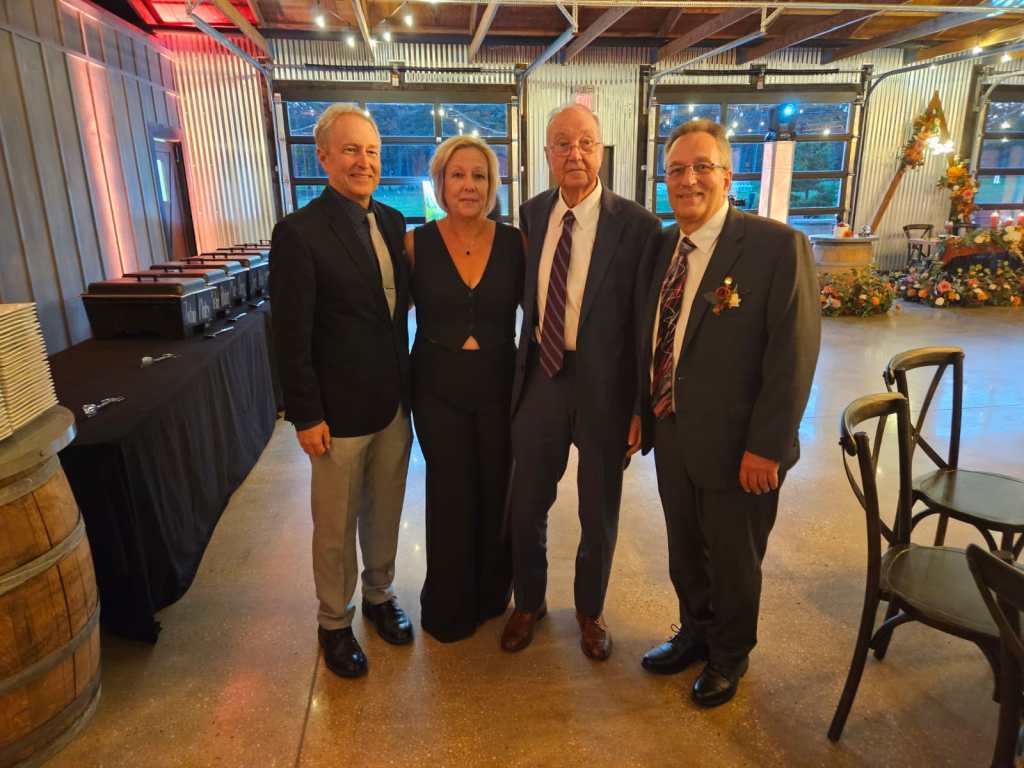
Me this week with my brothers and dad

Stress

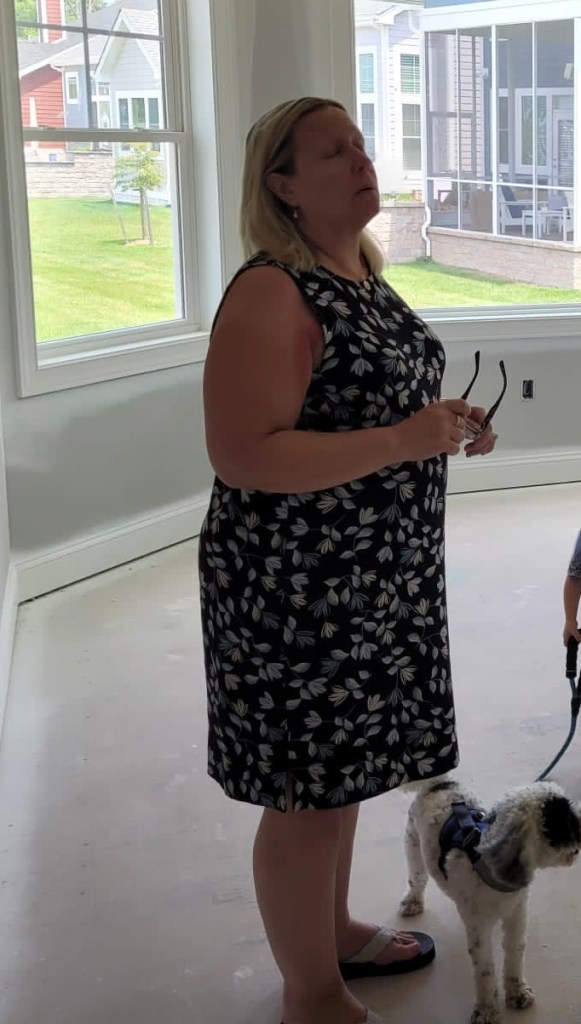
This picture of me was taken just before I decided to retire from my much loved position as Principal of an Elementary School in New York City. It fully illustrates the impact of living under constant, high level stress on my body. Though I loved my position; my community and children, it did not love my body, especially during and after the COVID pandemic. My life was turned upside down during that time, with the loss of my mother, as well as the huge toll of working 24 hours a day to keep my school afloat despite loss of staff, family members, inconsistent messaging, funding and lack of clear guidance from the NYC DOE.

The impact on my physical body is clear to see, as I present as obese, haggard looking and quite honestly old beyond my years. The emotional toll is not as easily visible to the eye, but believe me it was there. By this point in time, it was getting harder and harder for me to find the will to engage in any social functions. Invitations to meet for dinner with friends caused anxiety and led to endless cancellations on my part. I was not able to sleep well and found myself lying awake each night filled with anxiety over all the things I needed to get done. It wasn’t uncommon to get a text, or social media post, from me at 1 AM during those times as I was wide awake.

This photo of me was taken this weekend, 8 months post retirement. These past 8 months have allowed me space and time to heal, both emotionally and physically. I wish I could say the healing was easy, but it wasn’t. During this time, I supported my husband’s healing from medical issues and cared my for aging dad in our home. But, despite those stresses, I still carved out space to focus on my own healing journey.

The impact of stress on our health cannot be underestimated. I hope my photographs serve as a reminder to us all that long term stress can destroy your health. Examining causes of stress and making changes to reduce it must be our driving force in our health journeys. For too long I acknowledged that I was under unrelenting stress, but yet did nothing about it. Rather, I used it as my excuse for being so unhealthy, as if it was expected. Finding the strength to make changes was the hardest thing I’ve ever done, yet I am so grateful I made the move as I am worth it. Living to see my grandson grow and thrive was worth it.

A dear friend said to me when I was struggling, “Laura, if you die tomorrow, there will be an ass in your chair before you’re even buried. We are all replaceable. Your family, however, will be forever changed. Your work family will move on and adjust pretty quickly to your absence. Your family will not.” That conversation really stuck with me and was what gave me the courage to step away.

Focusing first on my nutrition, helped by having to cook healthy for my two men, was pivotal. I worked with a nutritionist for the first few months to really look at what I was eating and gained knowledge of the impact of my choices on my healing. Slowing adding and increasing movement each day and tracking the impact on my body was next. Finally, returning to a yoga studio to connect with other yogis and more importantly, to myself.

I wish I could say I’m completely cured, but that would diminish the actual process of this journey. It’s a process, not a cure. I am most definitely feeling healthy again. I have a vibrant social life and have met and connected to so many great people in our new community. I have found a sport I love to play and engage in – pickleball. I have lost weight and gained better emotional health. My sleep is improving, but still not where it needs to be. I am sleeping well and getting quality REM, but still need to examine my Restoration sleep, which is still impacted by my restlessness during the night. Improved for sure, but not where I want it to be.

My next steps on my journey begin next week. I have been accepted to and registered for a Master Health Coach certification course with Dr. Spears. My specific focus will be on Adults and Aging. I cannot wait to learn more about the role nutrition plays on the body as we age as I continue on my road to Reclaiming My Health. This blog may undergo some updates during the year long coursework, as I look forward to sharing my learning with you all.

Please share your experiences with stress and nutrition. I’d love to hear what you have done to reclaim your health.