Healthy Lifestyle: Food, Exercise, and Joy in My Daily Routine

“Health isn’t about being “perfect” with food or exercise or herbs. Health is about balancing those things with your desires. It’s about nourishing your spirit as well as your body.”
Golda Poretsky

Many have asked me about what I eat, how much I exercise, how many days I work out and other questions about my daily life. This week, I’d like to share what a typical day looks like for me. I am not a medical doctor, nor am I am I advocating you eat what I do. I am merely sharing my routine, in the hope you reflect on yours and consider ways to ensure you are setting yourself up to live a long and healthy life. As wellness is truly a personal journey, we all need to find what works for our lives and our bodies. This is what works for me, after many years of trying and failing.

Food

As you know, I eat whole food plant based, dairy and oil free. Many have asked me how this is different from vegan. The simple answer is that vegan is a lifestyle choice based on personal beliefs regarding animal cruelty, the environment, health and can include processed foods. Most vegans do not purchase any products, including clothing and shoes made from animals. Whole Food Plant Based is a lifestyle choice based on health and wellness and centers around food choices. It also includes wanting to protect animals and the environment, but does not include processed foods. I am sure there are other areas to include in the difference, but that’s my short answer.

I try to eat a minimum of 30 different plants across the week. It’s not hard to do at all as you’ll see in my sample day. The trick is to eat a variety of plants and fruits, or eat the rainbow of colors. Variety is key to a healthy gut, so don’t just eat the same foods day after day. For example, if you eat baby spinach, don’t use it in the smoothie, salad and at dinner. There are so many other greens that have great benefits for your wellness. Here’s a sample day for me:

  • Breakfast – I like to make a smoothie most mornings, as it’s easy and helps ensure I get extra plants in. Today I had, almond milk, kale, red beet, kiwi, date, blueberry, hemp seed, chia seed, flaxseed, cinnamon, avocado, organic pea protein (11 plants)
  • Snack – I don’t always have snacks as the shake keeps me full. Sample snack, 1/2 banana and walnuts, or hummus and vegetable sticks, any fruits with almond milk yogurt.
  • Lunch – I eat my dinner at lunchtime, whenever possible. Yesterday, we had leftovers – Basil Pesto over pasta with broccoli, roasted tomatoes and tofu. The pasta was whole wheat, high fiber fettuccine. (4 plants)
  • Dinner – I generally eat a light dinner. If I didn’t have a smoothie for breakfast, I will have it for dinner. Otherwise, I eat a big salad bowl full of plants, or a soup. Yesterday, I had a big salad bowl of arugula, baby spinach, strawberries, pumpkin seeds, mini peppers (red, yellow, orange) and cucumbers. (8 plants) (23 total plants for day)

Eating the main meal earlier in the day helps my digestion and improves my sleep patterns for the night. It also aligns with the rhythm of the day better as in the evening the body is preparing to slow down for rest. When I was working, this involved packing my main meal to eat at work, or ordering food in to eat. It can be done, but requires better planning. I included plant counts merely to show how easy it would be to eat 30 plants across your week. I’ve already had 23 in one day. For me, the key was ensuring I was getting a variety of plants. This led me to stop buying food in bulk. Buying everything in bulk may be more cost effective, but that sets me up to eat the same fruits and vegetables every day. Since, I am seeking variety, I buy the smaller packages now and vary what I eat daily. This also keeps the food more interesting.

If you want to read more about my eating, consider reading these posts I’ve shared – Change Our Thinking About Food, Fork Power, Cooking to Nourish Your Mind, Body & Soul, Cookbook Recommendations

Exercise

  • Walking – When I started this journey, I had difficulty walking around the block! Walking was my go to exercise and one I still incorporate into my day, every day. Walking doesn’t require a gym membership and can be done alone, or with a friend. I tend to prefer to walk alone, but do bring my dog with me on my daily walks. I walk every single day, regardless of the weather, for a minimum of 30 minutes. This, for me, is about 1.5 miles of distance. I walk outside in nature, as I want the added benefits that provides. Walking in nature is great for your mental wellness, so please if you can avoid the treadmill, you may find you enjoy walking more than you thought.
  • Pickleball -I play pickleball at least 4 days a week, sometimes more during the season. It’s a great form of aerobic exercise and I truly love the social connections I’ve made.
  • Yoga – I practice yoga 2-3 days a week both in studio and at home. This keeps me flexible and is also great for my mental wellness.
  • Weight Training – I try to lift weights, or use the machines at the gym at least 1-2 times a week.

I highly recommend finding a group sport you enjoy and adding it to your week. There are many elderly people out there on pickleball courts across our country. At my indoor facility, we have an 82 year old woman who plays to win daily. Yoga is also for every body and can be modified to meet you where you are. The benefits are many and I do believe you will come to love how you feel in a very short time. Lastly, I am an early riser, so much of the gym, sports and yoga occur before lunch daily. Walking happens after lunch, or dinner. Like food we eat, I believe we benefit from engaging in a variety of exercise. I have shared more about my exercise in prior posts found here Move to Live, Svadhyaya – Study of Self,

Finding Joy

For me, this journey is about finding myself, my health and above all joy. For far too long, I focused too heavily on counting calories and stressed myself out. Life is not meant to be lived that way and honestly, I was never successful with that approach. Counting plants, something I mentioned above, is something I did in the first week of eating whole food plant based. Once I realized how simple it was, I’ve not counted again. It is something you need to stress over if you eat whole food plant based meals, unless you have a specific health issue. Nothing to count, not calories, macros, micros or anything else. Just eat whole foods and ensure you eat a variety of plants and fruits. I feel healthier than I have in years, perhaps decades. I’ve shared so many posts about my journey, on my blog over the years. I hope you’ll take some time to revisit these most recent posts – Try Something New, IRAH: Individual Retirement Account for Health – A Personal Transformation Journey, Stress, Eat to Live, The Compound Effect, Hold On

I hope this helps to give you an idea of my daily life. If you take time to visit some of the links I’ve shared to prior posts, perhaps you’ll find information on areas that interest you. I am so excited to have made it out of the winter weighing less than I did going into it. Generally, in the past, I gained weight and lost motivation over the winter months, leaving me to have to start over. This year, I’m heading into the summer stronger than ever and looking forward to continued health improvements. I truly hope you will join me. I am available to discuss your current questions, ideas and needs. Feel free to reach out to me at laurakump@reclaiminghealth.blog, on Instagram or Facebook, or in the comment section below. Thanks for reading and have a great and healthy week.
Fiber Fueled

“Less than 5% of the US population gets the recommended amount of fiber, which itself is probably too low. We’re told we should be getting 35 grams a day, the average American is getting like 15.” – Ocean Robbins on the Darin Olien Podcast

What a wonderful week I’ve spent watching and learning at the 2024 Food Revolution Network Summit. Thank you to John and Ocean Robbins and team for putting together this incredible summit and docuseries, viewed by millions. I have been watching and rewatching the sessions and taking notes on my learning. One area of particular interest to me, as you know, is brain health. I shared some of my takeaways from the brain session in last week’s post found here, Fork Power.

Another interesting topic I’d like to share information on is the importance of fiber in our diets. This topic was extremely important for me when I started my journey toward whole food plant based eating this year. At my unhealthiest point, when I decided to retire and move, my eating was at its worst point. I’d moved away from any semblance of heathy and just gave in to convenience. In all honesty, I had no idea the importance of fiber in my diet and in all candor, it was likely nonexistent. I literally ate no vegetables and no fruit and lived on take out comprised of pizza, sandwiches, empanadas, Chinese food (with minimum vegetables) and when trying to eat healthy, dairy fueled flavored yogurts.

When we moved to our new house and my father was living with us, I had to cook three meals a day. I fell back on old habits and made eggs, pancakes and oatmeal for breakfast on rotation. Lunch consisted of cold cut meats on rye or white bread. Dinner was breaded and fried chicken cutlets, rice and a vegetable (I ate like one piece of broccoli and left them the rest.). I also made my famous Sunday sauce each week flavored and filled with sausage, short ribs, pork ribs and my meatballs. This sauce was served over pasta, or cheese filled lasagna. My father did eat fruits that he purchased every day, but I was not eating any. I knew I had to do better, I even had an idea what to do, but I just didn’t do it. Sadly, I am not unique. As stated by Ocean Robbins in a recent Darin Olien podcast, “Two-thirds of our population is overweight or obese. You think people don’t know that they need to eat less crap, less total calories, and more healthy food. Of course, we all know, but we’re not doing it. And so the issue isn’t so much knowing what to do, in some cases it’s doing what we know.”

Fiber

After six months of cleaning up my eating and losing weight, I had blood work taken. My LDL levels had not decreased as I expected and in fact had increased. I was devastated. I began googling how to lower LDL levels and kept coming back to articles on increasing fiber. I then began googling best ways to increase fiber to lower my LDL and kept getting articles on supplementation. It seemed Metamucil was the answer. Yes, I will say I began taking Metamucil gummy supplements daily, but they were expensive and I honestly knew there must be a more natural way to increase my fiber intake. This is when I took a deeper dive into fiber and why it is critical to our health.

What is Fiber

Fiber is found in the cell walls of plants and passes through our digestive systems whole when we eat it. Fiber acts as fuel for healthy bacteria in our gut and is critical for us to have in our diets. There are two types of fiber, soluble and insoluble. Soluble fiber slows down digestion which can help with the absorption of nutrients, balance blood sugar levels and cholesterol. Insoluble fiber adds bulk to your stools and promotes healthy bowel movements. It acts like a broom, cleaning out your digestive tract.

Where is Soluble and Insoluble Fiber Found?

You can get both soluble and insoluble fiber in all vegetables and fruits, as many plant based foods have both. Soluble fiber is found in foods like whole grains, beans, nuts and seeds, as well as some fruits and vegetables. Insoluble fiber is found in whole grains, vegetables, and wheat bran. Where you do not find fiber is in the diet I was consuming, processed foods, meat, dairy products, eggs, fish and oils.

Benefits of Fiber

Fiber helps your body eliminate toxins through the digestive tract. It keeps things moving and can help you have regular bowel movements. Getting enough fiber increases the prebiotics, or good bacteria in our guts. Fiber can also help you lose weight, as the increase of fiber intake has been shown to increase your feelings of fullness, leading to less intake of food. As an added bonus, fiber rich foods are lower in calories than processed foods. Mainly, this week, they discussed that, fiber is an essential part of your waste removal system – constantly eliminating carcinogens before they become a problem.

Ways to increase Fiber Intake

The first thing I did to increase my fiber intake was add in more vegetables and fruits. I changed over to a whole food plant based diet and even then had to really think about how much I was eating to ensure I was getting enough. To ensure I am meeting my goals every day, I add vegetables and fruits to my smoothie each morning. I have a big salad every day that contains vegetables, fruits, nuts and seeds. I also eat whole grains and beans every day. In all honesty, I wasn’t eating ANY of those things on a regular basis seven months ago. Other ways to increase fiber intake:

  • Find out what foods are highest in fiber. Examples, kiwi fruit, dates, french lentils are all high in fiber, so I include them in my food rotation. Added bonus, they are all delicious!
  • Choose whole grain instead of white flour products
  • Choose beans over beef, chicken or fish
  • Choose oatmeal in place of breakfast cereals
  • Snack on fiber rich foods, such as popcorn (no butter or oil used or added), bananas with walnuts, sliced apples with peanut butter, or carrots and hummus

The possibilities are endless, the main thing is to research fiber content in foods you are eating. Here is a helpful list to check when going food shopping, courtesy of Web MD, https://www.webmd.com/cholesterol-management/features/fiber-groceries.

Learn More About Fiber

*This post may contain affiliate links for your convenience. As an Amazon associate, I may receive a small commission, at no additional cost to you. This helps me offset the cost of running this blog and I only recommend items I use and love. Thank you for your support.

Fiber Fueled: The Plant-Based Gut Health Program for Losing Weight, Restoring Your Health, and Optimizing Your MicrobiomeThis book truly helped me understand, on a basic level, the importance of fiber in my diet. I honestly had no idea and having eliminated so many foods from my diet after trying all the latest diet fads, I was dangerously low on fiber intake. Excellent resource, even if you are not plant based, to learn not only the importance of fiber, but how to increase your intake of it
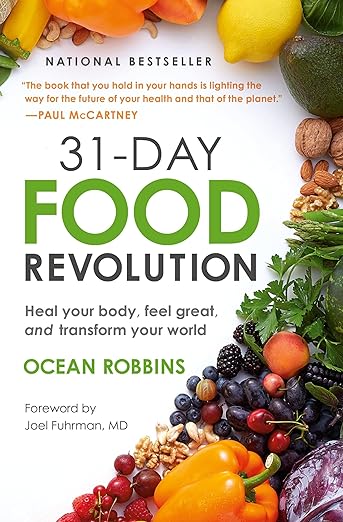
31-Day Food Revolution: Heal Your Body, Feel Great, and Transform Your World, by Ocean Robbins – This book introduced me to the wonderful team of Ocean and John Robbins of The Food Revolution Network. I’ve learned so much from them and this book opened me to the possibilities of changing my life, through changing what I was eating. I will be forever grateful to them. A great, easy introduction to the power of food to our health.
In Closing

Now that the word fiber is in your head, spend some time learning more about it and the importance of ensuring you are getting enough of it in the foods you currently eat. Begin to read labels and consciously think about the foods you put on your plate and in your mouth. Your life truly does depend on it. I know there are way more glamorous fad diets calling you with promises of quick results, but I also know that you will end up right back where you started after you do one of those. I know because I’ve tried them all. The best results I’ve had has come from educating myself on nutrition and understanding the important role our food choices play in our health and life. I hope you join me on this journey. As always, I am available for conversation and questions about my post, or wellness journey. You can reach me at laurakump@reclaiminghealth.blog, on Instagram or Facebook, or in the comment section below. Thanks for reading!

Fork Power

“What you find at the end of your fork is more powerful than anything you’ll find at the bottom of a pill bottle.” ~ Dr. Mark Hyman

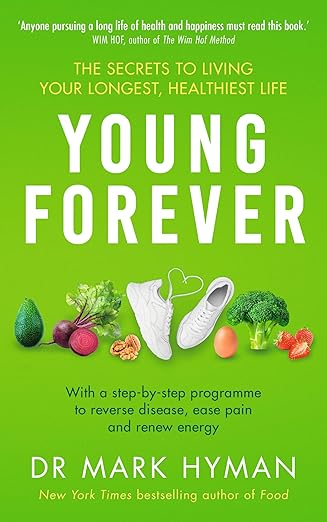
Young Forever, Dr. Mark Hyman
This week, I’ve been watching the 2024 Food Revolution Docuseries, which brings forth information from many experts in the fields of medicine and nutrition. I’ve enjoyed all the presentations, but especially yesterday’s session on Brain Health. This episode discussed the latest scientific information regarding prevention of Alzheimer’s, memory loss and other brain related disease. Those who follow me, know this is a major driving force behind the personal work I am doing on this blog and in my life. Having witnessed first hand what Alzheimers does, to both the patient and the family, I am determined to do anything in my power to prevent this disease. One quote stood out to me during the summit, “you have the power at the end of your fork to delay, or prevent this disease.” The quote, I believe, is attributed to Dr Mark Hyman, well known functional medical doctor and author. His book, Young Forever, provides a simple blue print to live a healthier life, including nutritional changes.

When my grandmother and mother contracted Alzheimer’s, doctors said there was nothing we could do. It was uncurable and would run it’s normal course. When I started researching Alzheimer’s, too late for my mother, I learned that nutrition indeed plays a major role in the onset of the disease. For far too long, research has focused on the treatment of the disease, once the patient is diagnosed. Current research, shared in this docuseries, looked more at prevention of the disease, which is where success may be found. The staggering facts are that women in their 60s are twice as likely to get Alzheimer’s. And, the primary determinant is their diet and lifestyle, yes genetics play a role, but studies now show that diet and lifestyle have more impact than ever thought. Alzheimer’s is not inevitable!

We can all agree that food is a powerful tool in our health journey. Everyone agrees that poor nutrition has an impact on cardiovascular disease, diabetes and overall health and wellness. We now know that the brain is also heavily impacted by poor nutrition. Saturated fats have been linked to high LDL levels and an increased risk of Alzheimer’s. Polysaturated fats (not coconut oil) have been shown to lower risks of Alzheimer’s disease. Here are some of the takeaways from this episode.

Fork Power

Plant strong whole foods have been shown to improve brain health. Eating foods high in Omega 3 fatty acids are needed by the brain on a daily basis. Best plant based sources are chia seeds, hemp seeds, kale, flax and walnuts and these should be eaten daily. When eating nuts and seeds, you don’t need more than a handful a day. Healthy fat, such as avocado, is considered a brain health food. They shared that diets high in meat, especially red meat, have been linked to Alzheimer’s, followed by eggs and high fat dairy products. I’ve shared a lot about my personal journey to whole food plant based eating in past posts found here Change Our Thinking About Food and Sugar Sugar.

Supplementation

I am a vegan, so I do take a supplement to ensure I am getting enough Omega3 fatty acids, Vitamin B, D, Zinc, Magnesium and Iodine. I love the Essential Vitamins brand and take Complement multivitamins daily. I recently put my husband, who is not vegan, on them as well and he speaks often of the increase in energy that he feels. I highly recommend these and love that I don’t have multiple jars of separate supplements anymore.

Hydration

There was a discussion about the importance of hydration for brain health. Specifically, they discussed studies that showed the brain shrinks when dehydrated. We have a greater capacity for mental focus and wellness when we are properly hydrated. They listed water as the best choice for hydration, followed by green tea and coffee, but without dairy, or sugary add ons. I try to drink 80 ounces of water a day, I’m not always successful, but am definitely drinking more than I used to. I fill my 80 ounce container every morning with intention to finish it. I do use the water from this container when making tea. They also said it was more important to hydrate throughout the entire day and not to drink large amounts at one time.

Sleep

Sleep is most overlooked when it comes to its impact on our brain health. Many of us, myself included, struggle with sleep. When at my worst, I definitely became worried by my brain fog and began to question if it was something more. Sleep is the main means for our body to cleanse our organs, including our brains. Restorative sleep is critical to brain health and the major reason I started tracking my sleep. I can see the difference in how I feel on days when my sleep was interrupted vs days when I’ve had a deep and restorative sleep. You can read about my sleep routines on these past blog posts, found here Sleep Your Secret Weapon and Sweet Dreams.

Meditation and Mindfulness

Engaging in a regular yoga and meditation practice can help us manage stress. Living in a chronic state of stress has major impacts on our mental health and wellness. Yoga practices can deliberately activate our parasympathetic nervous system and ease our stress response. I can attest to this personally, as I have shared the negative impact my high stress career, couple with the pandemic had on my health. Living in a chronic state of stress, caused weight gain, brain fog and lack of sleep. I was likely one step away from a breakdown. You can read more about the impact of stress on my health in this post I shared, Stress.

Overall, the docuseries on brain health and research, was insightful and provided validation for life changes I have made. I found it uplifting and inspiring and motivated me to keep on this path I’ve chosen. Hearing the researchers say that Alzheimer’s is not inevitable, provided me hope that through dietary and lifestyle changes, I can indeed delay or prevent this memory robbing disease. I hope you too will spend some time learning about the power found at the end of your fork and on your plate. Your future self will thank you, as will your family.

Feel free to reach out if you have any questions, or comments, about this week’s blog. I do provide links to products I use and recommend, available at no extra cost to you. As an Amazon associate, I may receive compensation for any purchase made, which offsets the cost of running this blog. Thank you for reading and for your continued support of this blog. You can reach me via email at laurakump@reclaiminghealth.blog, on Instagram or Facebook, or in the comment section below.

Sugar Sugar

Sugar caused obesity, tooth decay, and diabetes long before anyone ever heard of a calorie. – Case Against Sugar

In the book, Case Against Sugar, Gary Taubes states,Sugar is not just a delicious pleasure. It is a toxic substance that is wreaking havoc on our bodies and our brains.” Sugar is lurking in all foods, especially processed foods. When you start reading food labels for more than just the calorie counts, you find sugar has many fancy names to hide behind. Next time you go shopping, pick up any item you are buying and scan the food labels. Look down beneath where you usually look and seek out the list of ingredients. There you will likely find many words you cannot even pronounce and many different names for sugar. These include common names, such as sucrose and high-fructose corn syrup, as well as barley malt, dextrose, maltose and rice syrup, among others. Healthline Nutrition provides a list of 56 names for sugar on their website found here.

One of the good things about eating whole food plant based, or whole food diets is that by eliminating processed foods, we are eliminating a main source of sugar intake. There are different schools of thought on sugar intake when eating whole foods, but I believe in eliminating all refined sugars and natural sweeteners such as Stevia, honey and agave. There is research to support the use of those and also research that supports the dangers of using. For me, I made a personal decision to avoid them. You will make your own personal decisions regarding those sweetener options. The only thing I use for sweetening, when necessary in recipes, are fresh dates, date syrup and pure maple syrup. I don’t use them often and find myself using less and less as my taste buds change.

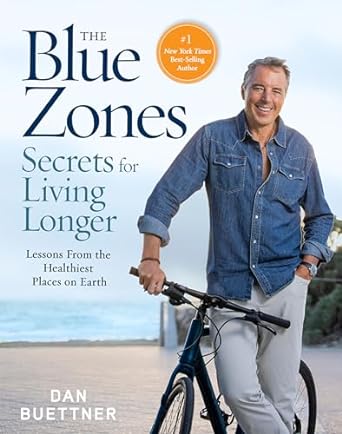
Just a word about fruit, as I know many people won’t eat fruit due to fructose. According to Michael Greger, M.D., only commercially-produced fructose, not whole fruit-derived fructose, associates with a decline in liver function and an increase in high blood pressure. This short video, If Fructose is Bad, What About Fruit?, shares his thoughts. Additionally, his ground breaking book, How Not to Die, has been deemed, “Absolutely the best book I’ve read on nutrition and diet” by Dan Buettner, author of The Blue Zones Solution. For a simple read on nutrition and food choices, I highly recommend this easy to understand and refreshing book, Chew on This, by Brook Bussard, MD.

Here are some simple steps I used to reduce sugar:

  • Read Labels – Look for added sugar in the ingredients list to ensure no sugar has been added during processing. Products are considered to be high in sugar if they have more than 22.5g of total sugars per 100g. They are considered low if they have 5g or less of total sugars per 100g.
  • If it’s in the house it’s in the mouth – Don’t buy any refined sugars, or sweet treats that contain high levels of sugar. If you have it you will use and eat it. If you need something sweet after dinner, have a few black grapes or piece of fruit instead.
  • Coffee Creamers & Nut Milks – I don’t buy any coffee creamers or nut milks. I have been making my own for the past 6 months and can’t believe how easy and delicious it is. The important piece here is I have full control over what goes in my coffee and nut milks and it’s not chemicals or sugar! This machine was a bit pricey, but I like that I can also make smoothies and purees in here. I’m also saving money on store bought milks. Very versatile machine and super easy! No need to strain or soak the nuts. 8 in 1 Nut Milk Machine
  • Eat Plant Based Diet – I am eating 100% plant based, but that is my personal choice, based on science. If you are not ready for that, just increasing your plant and fruit intake can have an impact on your sugar reduction. That is because plant-based diets are low in saturated fat (a culprit behind insulin resistance) and high in fiber, which helps the body to regulate blood sugar and properly absorb nutrients. Plant-based diets also reduce the risk of being overweight or obese, a primary risk factor for Type 2 diabetes. Get a free plant based guide from Forks Over Knives.
  • Drink More Water – I drink half my body weight in ounces each day. It’s not always easy, but I do my best. Currently, I fill and use this 80 ounce jug to ensure I meet my goals. I hated having all those plastic bottles and often lost count of what I was drinking. Just a note, I do use the water in it for any coffee, or tea I consume in the day. I don’t drink any other types of drinks, including alchohol.
  • Cook – I’ve long advocated home cooking for healthier options and ingredient control. Here are two recent blogs on this topic. Cooking to Nourish Your Mind, Body & Soul and Cookbook Recommendations.

I believe reducing refined sugar intake has had a positive impact on my health and weight loss. Becoming more aware of what I am putting in my body has been a true help. The weight continues to come off, but more importantly, I feel better. I hope you’ll consider looking at your current intake of sugar. You will be surprised at all the places it is hiding. Let me know how it goes and if you have any questions, reach out to me at laurakump@reclaiminghealth.blog. If you find sugar lurking on a food label, take a photo and tag me on Instagram, so we can learn together. I’d love to hear how you do!

*This post may contain affiliate links and as an Amazon Associate, I may receive compensation for them. This helps offset the cost of running this blog, so I thank you for your support.

Change Our Thinking About Food

“I realized that the answer to the supposedly incredibly complicated question of what we should eat wasn’t so complicated after all, and in fact could be boiled down to just seven words: Eat food. Not too much. Mostly plants.”

Michael Pollan, Food Rules An Eater’s Manual

Recently a friend and I went out for breakfast and had a long chat about food. Specifically, we talked about the impact diet rules had on our thoughts around eating. She spoke about not eating fruit or carbohydrates from years of doing keto diets. Many diets, like keto, have hard rules about what one can and cannot eat, or do. These rules are presented, much like the gospel, as the answer to all our problems. One of the most commonly known rules, no carbohydrates allowed, has shaped the eating habits of millions of people and not always in a good way.

I have another friend who did the Atkins diet for years, which according to her interpretation, mandated no carbohydrates ever. She ate iceberg lettuce (not much nutritional value) and roasted chicken breast every day for years. I asked why she couldn’t eat vegetables instead of this type of lettuce and she informed me that vegetables had “a lot of carbohydrates” and iceberg lettuce was “mainly water”, making it a better choice. I remember trying to talk some sense into her, but she would not be swayed. She ate very little food throughout the day, as it was hard to “find things that had no carbohydrates.” I watched as she got very thin and honestly, sickly looking. I watched as her hair starting falling out, likely from lack of nutrition. It was truly disturbing for me to watch and she wouldn’t listen to any of my pleas to reconsider. My friend is not alone in letting diet rules shape her thinking, causing unintended consequences on their health as a result. These types of hard rules are something I have an issue with, and believe are causing food misconceptions that can do more harm than good.

The diet industry has in large part been the driving force behind many of these misconceptions, through the unchecked offerings of quick fixes and holy grails to being thin. There is no one way to be healthy that works for every body, as every body is unique and has individual needs, especially if you have a medical condition. That said, I’d like to take a look at a few of the major “rules” most followed and offer an alternative option to think about.

No Carbohydrates

This is one of the most popular diet rules people follow to lose weight. I would steer clear of any rule, or diet, that is based on completely eliminating an entire food group. The main issue is that the body needs carbohydrates to function properly. They are our main energy source and in fact our brains get at least 20% of their energy from carbohydrates.

That said, not all carbohydrates are the same, meaning we can make healthier food choices in this category. Although refined carbs can be harmful when consumed in excess, whole-food sources of carbs are incredibly healthy. Therefore, the quality of carbohydrates we eat are more important than the quantity. Rather than elimination of this much needed food group, it is recommended that we reduce our intake of refined carbs (white bread, white flour pasta, cookies, soda) in the diet and replace them with complex carbohydrates such as whole grains, fruits, vegetables and legumes.

Good vs. Bad Foods

There are truly no bad foods, as all foods have something in them that our body can use for nutrition. Obviously there are healthier choices we can make, but labeling foods good and bad can have a huge impact on our mental health. If I go out to eat, I should not feel guilty if I eat a piece of bread, eat a potato or drink a glass of wine. Attaching moral labels to food consumption is just not healthy for anyone, as that can lead to feelings of guilt and shame about ourselves, based on what we eat.

I prefer here to think about progress, not perfection when making food selections. Instead of avoiding perceived bad foods, I focus on making healthier choices. If I want to eat something less healthy, like a piece of bread, I eat it in moderation. Depriving myself of it will only make me resentful and want it more. There is no guilt to be had in eating food, just make informed choices when planning your meals. Don’t try to eat perfectly 100% of the time. Rather, do your best to select healthier foods and know that occasionally you may eat something less healthy. If I look at my personal eating, I went from eating mostly take in, or restaurant food, to cooking 90% of my meals. I have zero guilt when I do go out to eat and I try to select healthier options, but if there is something I really want, I will order it without hesitation.

Eat Everything on Your Plate

I was raised to believe that not finishing everything on my plate was bad. I was told that there were people starving in the world, who would be more thankful for the food and that not eating all of mine was wasteful. I am sure many of you can relate to that thinking. My parents were not bad people, that was just the thinking at the time, but we know better now. There is no reason to eat more than you need to eat to feel satisfied. Portions are mostly too big, especially in restaurants, even at home. Our body knows when it has had enough and we should listen to it. I have gotten much better at not forcing myself to “clean” my plate when eating.

When I eat, I have slowed down to give myself a chance to feel full. There is a delay in the body recognizing it has been fed, so slow down, take your time and I bet you will find you eat less. When plating food at home, I have significantly reduced the portions I initially serve. There is always food for seconds, if we are still hungry, so no need to pile it on the plate. When I dine out, I generally ask for a take home box when the food arrives. I put half of my food in the box before eating. I eat half the meal, pause, then if I am still hungry I eat more. If not, my box is packed and ready to go home.

Changing Our Thinking

Any food rule that is restrictive can do more harm than good. Restrictive rules seek to rule our choices with hard rules, such as – no carbs, can’t have fruit or elimination of entire food group. To overcome these rules, we need to start by looking at our own thinking and ask, “What rules am I living by?”, “What role does that have on how I feel about myself?” and “How does that shape my food selection?” Consider writing these thoughts down to help you really think about the impact this thinking has had on you.

To truly break free from these rules, one needs to create a healthier relationship with food. These past four weeks, I have been really examining my own thinking around eating. As I have said in this blog, I have been eating primarily whole food, plant based items to see if my gut health improves. That said, when I first shifted, I was overly focused on tracking my macronutrient intake. I engaged in the above reflection around my food thinking and came to realize, I had some food misconceptions deeply ingrained in my thought process. It is definitely a work in progress, but I am studying the research and trying to educate myself as a means to make healthier choices.

If you connected to something in this blog, please do reach out. I love the messages I get about your journeys. It’s always great to hear your thoughts and ideas and to know I am not alone on this path. You can reach me on by email at laurakump@reclaiminghealthblog.com, on Instagram or in the comment section below.

Try Something New

“I always did something I was a little not ready to do. I think that’s how you grow. When there’s that moment of ‘Wow, I’m not really sure I can do this,’ and you push through those moments, that’s when you have a breakthrough. Sometimes that’s a sign that something really good is about to happen. You’re about to grow and learn a lot about yourself” -Marissa Mayer

As we enter February, we may have lost some of our mojo when it comes to work out promises made at the New Year. The initial excitement about getting into shape may now be starting to wane. I know the crowds at the gym here have started to diminish greatly, as happens every year. It’s the same cycle every year and one that gets even the most well intentioned of us, myself included. This year however, I made a promise to myself that I would not give up on my journey during these cold winter days. This year, I made a promise to myself that I would not have to start over from scratch come spring.

Sometimes when motivation starts to dwindle, trying something new can be just the spark you need to keep going. Switching things up and adding some variety to your routines can be the ticket you to hold on. For me, I have added in very short runs to my week and started a WFPB (whole food, plant based) nutrition course. Both have served to peak my need to learn and grow and push through these moments of wanting to nest in my home under a blanket.

I was not planning to add a plant based certificate to my coursework, but have been struggling with some gut health issues recently. After researching and truly reflecting on it, I felt the time was right to explore my long standing difficulties with getting enough fiber in my diet without supplementation. I have a long history of not loving vegetables and irrational thinking about the sugar found in fruit. I decided it was time to dive deeply into the world of plant based nutrition and felt WFPB was the best place to start. I was definitely not sure I would be able to survive, much less thrive, if I only ate whole plant based foods.

This is my second week of eating WFPB and I must admit that I actually do feel better. I had some diverticulitis symptoms and was beginning to worry, but this week I haven’t felt the nagging pain on my left side following eating. It’s far too soon to tell the true impact, but I am most definitely motivated to keep going. I am excited to continue to learn and try new foods and track my growth in the process.

If you are feeling stuck and losing motivation to eat healthy, workout or do any of the things you loved, consider trying something new and see if it reignites your passion. Is there something you’ve been wanting to do, but haven’t? It can be anything, not just health related items. Have you always wanted to learn to crochet?, Wanted to learn about plant based cooking? Whatever it is, do it! It could be just what you need to climb out of the winter freeze and move into the spring thaw with stronger motivation. 

In my case, I knew my intake of vegetables and fruits was weak. I started thinking about it and researching it. I then took the following steps:

  • Learn – It’s important to engage in the process of learning new information. It is great for your brain and can build excitement around the process, as well as give you the tools you need to try it.
  • Add On – What are you already doing that this new learning will improve? I love to cook and was excited to add new recipes, ingredients and meals to my repertoire. As a health coach, I knew I would interact with clients who have different preferences for their foods and wanted to build a better knowledge around this topic.
  • Connect – Find others who share your passion. One of the blessings of social media is that you can find your tribe as you learn and grow. I found a group of WFPB people who have offered support and ideas as I learn. 
  • Push Through – Decide to do it and really try to stick to it. Focus on progress not perfection and do what you feel you can commit to right now. In my case, I went cold turkey, but that is because I am not working full time. If I was still working, I would have likely committed to add one WFPB meal to each day. 

Whatever you decide to do, give yourself grace. The goal is to spark motivation, not overwhelm yourself. Remember, it’s the small steps that add up to big change, but that won’t happen if we get overwhelmed. For example, if you want to learn to crochet, don’t set out to make an afghan right from the start. It’s likely best to start with making one chain of stitches. Once you have that down, move to making one full square block. Finally, over time you will move to making an afghan blanket. Using these small steps over time, you will hold on to your motivation as you celebrate those successful moments along the way.

I’m excited to hear about your new passions and how they helped motivate you to keep moving forward. Please do reach out to share them with me at laurakump@reclaiminghealth.blog , on Instagram @reclaiminghealthblog , or in the comment section below.

Eat to Live

I don’t have a diet. Jenny Craig got a diet. Seriously. I eat to live, not to die.

Bernard Hopkins

There are so many quotes attributed to Ben Franklin that we hear still today.  “Eat to live, don’t live to eat’’ is one of those quotes. Franklin believed that eating in excess should not be one’s favorite activity, rather they should eat to stay healthy, not over indulge. Further, he feels that eating shouldn’t be your favorite activity, but rather what you do to be healthy. While you may not agree with Franklin’s philosophy, it’s important to note that he lived for 84 years, which is well above the average lifespan of his time.

There seem to be two schools of thought on this topic, eat to live vs live to eat. I have been in love with food for most of my life. I love to cook and get so much happiness out of preparing a delicious meal for my friends and family. I also have been an emotional eater most of my life, using food to eat my emotions and feelings. Food has been a great source of comfort during the difficult times of my life. These actions put me solidly in the live to eat category. I love to plan menus, shop for ingredients and create tasty meals. Food has been much more than fuel for me and many times my day revolves around what meals I will be eating. 

On this health journey, I am trying to shift my relationship with food to find a healthier balance. Knowledge is power, so I have been studying the role of nutrition on aging and longevity. There is so much to dive into and I am at the beginning of this learning, but my goal is to focus on what I need to eat to live. I can definitively say that I have not been eating foods that will help me live to see my 84th birthday like Ben Franklin did. I have long been a vegetable hater and most meals didn’t include vegetables or fruit on my plate, aside from the salad. 

Understanding what food makes me feel energized and what food makes me feel sick is an important first step. I have been exploring whole food plant based meal planning to improve my health. There’s excellent scientific evidence that many chronic diseases can be prevented, controlled, or even reversed by eating a whole food, plant based diet. 

A whole-food, plant-based diet is based on the following principles:

”Whole foods”: That means whole, unrefined, or minimally refined ingredients.

“Plant-based”: Food that comes from plants and is
free of animal ingredients such as meat, milk, eggs, or honey.

My readers know that I am about simplicity always and this shift feels huge for me. It is not realistic to expect that I will go cold turkey and eat only plant based meals from day one. To make this shift feel more doable, I have implemented the following shifts:

  • Progress not perfection – I am giving myself grace knowing that small changes will have a compound effect and not sweating the slip ups along the way.
  • Focus on one meal at a time – Reworking my whole menu at once causes major stress for me. I am focusing on one meal at a time. My breakfast was clean, so I am leaving that alone for now. I am focusing on my main meal of the day and trying to rework that to WFPB.
  • Reduce animal products – I am working to reduce animal and dairy products, but again it’s not all or nothing. Thinking about “never” eating a meatball, or mozzarella cheese again causes major FOMO for me. Right now I am hoping to introduce meatless days with the premise that they will increase in frequency over time.

An eating to live approach suggests that we need variety and essential nutrients. My living to eat mindset adds the emphasis on pleasure and enjoyment. I believe both mindsets are essential to my success, which is why I am taking it slow and hoping that the natural shift to craving more nutritious foods happens over time. Then I know I will feel the same sense of pleasure in planning, cooking and eating these healthier foods. I will let you know how it goes. 

For more information on WFPB eating, check out Eat to Live by Dr Joel Fuhrman and Forks Over Knives Plan:How to Transition to the Life-Saving, Whole-Food, Plant-Based Diet. Also, check out the Blue Zone and You Are What you Eat A Twin Experiment, both on Netflix.

If you have any questions, or want to share your journey, please reach out to me at laurakump@reclaiminghealthblog.com , on Instagram , or in the comment section below. 

The Compound Effect

“You will never change your life until you change something you do daily. The secret of your success is found in your daily routine.”
― Darren Hardy, The Compound Effect

I first read Darren Hardy’s book many years ago as a new school leader. The Compound Effect outlined, is the strategy of being consistent with smart, tiny choices over time that will produce significant results. As I read the book I was focused on leadership, yet in the back of my mind I kept connecting back to my health journey. The concept is that smaller steps over a long period of time will have a greater, more beneficial and successful effect on your life than bigger steps in a shorter period of time (that most people will not stick to). Today as I view the predictable dwindling off of the New Year’s resolutionists at the gym I am reminded of this concept.

For many years, I was that person. The one who gets all pumped up for the reclaiming health journey. Those who have followed me over time know that every spring I have a rebirth and start over. Then, every winter I slowly fade away and fall backwards. This year has been different, albeit not easier. The temptation to fall back has reared its head repeatedly, especially on these 18 degree days. Using the concept of the compounding effect, I know that consistency is the key to achieving and maintaining momentum. I have held tight to that concept on my darkest of days this winter and continued with the small, simple habits and daily routines that will add up to a healthier life. My goal this year was to make it through the winter with habits in tact and see where I am come spring. As we are nearing February, I am very hopeful that this year will be different for me. 

Consistency is not easy if you make your habits too lofty, the key is to keep things simple and doable. When I selected daily habits, I’d say I even set the bar lower than I knew I could accomplish this winter. This helped me through the harder days and gave me added bonus boosts when I achieved more and kept me motivated. We all know success fosters motivation and failure often motivates quitting. For my movement goal, I merely set a minimum of a 30 minute walk in nature goal for every day of the week. This goal has been the easiest one to maintain, rain or shine. Setting a doable goal like this sets you up for success and avoids repeated failure that can serve to make you feel like a failure and give up. Obviously, it’s not my only fitness goal, but it’s the one I will never skip. Walking and being in nature cannot be undervalued on any health journey.

Another doable goal I set was to improve my nutrition through simple choices for my meals. I made a commitment to have a healthy breakfast every day. To make it easier, I decided to to a morning smoothie with protein and healthy nutrients, using simple recipes found in Joyfull, by Radi Devlukia. This sets me up for my morning workout and keeps me full until lunch. There are so many great smoothie recipes, but if that feels overwhelming just use a high quality protein powder shake, such as this one from Complement. I like the chocolate flavor when drinking plain and unflavored when using with the recipes from Joyfull. I have been super consistent with this goal as well. No cooking required for this breakfast and the variety of smoothies is endless. For lunch, I generally eat the main meal of the day to allow more time for digestion. I eat a whole food plant based diet consisting of protein, legumes, fruits, vegetables and whole grains. This also is very easy to do as salads are super easy to put together. 

On this cold winter day, I remind you that it’s not about perfection. It’s about the effort we put in and more importantly, the consistency we apply to our health journeys. Approach every day with a clean slate. If you ate too much yesterday (me eating pizza during the football playoffs), it’s all good, just return to your daily routine today. You slept in and didn’t do your gym workout this morning, get up do your 30 minute walk and return to the gym on your next scheduled day. Perhaps your body needed the rest. What we can’t do is give up and stop. Just keep to your routines as best you can and watch the compound effect unfold. 

If you have any questions or comments, please do reach out. I love getting emails at laurakump@reclaiminghealth.blog about your journey. Take a photo of nature from your 30 minute walk and tag me on Instagram at reclaiminghealthblog with #30minutesinnature . Let’s do this together, motivate each other and reach spring feeling healthier. It is only two months away!

Green Means GO

“Life is really simple, but we insist on making it complicated.” — Confucius.

One of the most complicated parts of a healthy lifestyle, for me, is meal choice and planning. Knowing what to eat can really be the make or break of feeling successful. For many years, I have thought I was eating healthy and could not understand why nothing changed. I would eat foods I perceived as healthy and feel good about my choices, only to find out what I thought was healthy wasn’t healthy for me at all. This can be very frustrating. Far worse, the complexity of this can be very overwhelming and truly make one feel like giving up.

Anyone who has read my blog knows that I am about keeping it simple to keep it accessible for all. I need simplicity to feel motivated. Weighing food, calculating macros, meal prepping and all those other strategies are good, but have not been sustainable for me for many reasons. In order to avoid that, I invested in a good food logging app to better understand my eating habits. I have used My Fitness Pal for years and when in doubt about my eating patterns, I always go back to logging to see what is happening. Another app I have used is Noom, an app meant to teach you about your eating patterns by categorizing foods into categories, not based on good or bad, but rather on how much you should consume of each. Both are great apps to gain insight into your eating patterns and uncover why you are not getting the results you want.

Another simple tool I use is Dr Sears Wellness Institute’s Traffic Light Eating which I learned about during my Health Coach certification courses. Traffic Light Eating is based on the familiar concept of driving a car. A traffic light is meant to guide use when driving and can be used in the same way when making choices about food. It’s so simple, Dr Sears uses this with his pediatric patients! 

Green means “go”
Yellow tells us to “slow down”
Red means “stop” and think

Again, like Noom’s system, there are no judgements made about foods we eat and doesn’t ban foods. We all know that taboo placed on foods can make them more desireable. Rather, this tool focuses us on how often and how much of certain foods we consume. Below are the breakdowns of each category on our traffic light used to help us when making selections of food.

Green Light Foods

Green light foods include all fruits and vegetables. They are grown and not manufactured or process artificially. These foods are low in calories and high in nutrients. They provide color to our plates and can be eaten raw or cooked. Green light foods are foods which can be eaten generally free of worry, barring any personal health issues you may have. They are considered go foods and make great choices for all meals and snacks and should play a prominent role in your selections. They were also the group I noticed I wasn’t eating enough of.

Yellow Light Foods

Yellow light foods are fine to eat everyday, but in moderation as they are considered slow down foods. You do not have to give them up, or feel badly if you do eat them. These are the foods, I learned, made up my entire diet. Yellow light foods include: pasta, rice, bread, tortillas, noodles, eggs, lean meat, chicken, low fat yogurt, nuts and seeds, olive oil, soy foods, whole grains, fish, low fat cheese, and vegetable oil.

Red Light Foods

Red light foods are known as “stop” and think foods. We don’t have to eliminate them entirely from our lives, but we should look for different options, or eat them less frequently. When we do choose then, we should pay specific attention to our portions and go smaller. These foods are low in nutrients and high in calories, fat or sugar. Many contain artificial sweeteners or trans-fats. Think about that cookie you ate last night, that would fall in the red zone. You wouldn’t want to eat the whole bag, or eat them every day, but one cookie will not make you fat or a failure. This group, I learned, was my go to group especially when tired, upset or super hungry.

All these tools are very easy to use and guide you as you learn more about your food choices. I appreciated that none of them made me feel badly about myself for my eating patterns. Rather, they seek to empower you through building your knowledge about food. I find myself making better choices in my overall daily eating, including when eating at a restaurant. The biggest change for me was in increase in my intake of vegetables and fruit. 

I recommend you start by looking at your pantry, refrigerator or dinner plate. Start to think about which category the majority of your fall falls in. No judgement, just notice. If you don’t want to do this, I recommend you think about using an app to guide you. Log your food and notice what the analysis tells you about your food patterns. Once you have this data, you can make some adjustments to your food selection and notice what impact it has on you. They say what gets measured gets improved. I fully agree, but what I’d like to measure is not my quantity of food, but my knowledge about the quality of it. 

If you have any questions about the apps, or traffic light eating, feel free to reach out through email at laurakump@reclaiminghealth.blog , Instagram or through the comment section below.