Balanced Diet vs. Supplements: Meeting Your Nutritional Needs

“Marketing is no longer about the stuff that you make, but about the stories you tell.” – Seth Godin

If I even think about something, it shows up as an advertisement on my Instagram feed, or Google within minutes. Sometimes it is scary how fast that happens. This marketing technique has been preying upon us in our weakest moments for years. As a former non sleeper, I can attest to how many items I have purchased in the wee hours of the morning. Many of those products have been related to my health journey and all made claims to have found the answer I was seeking.

I’m certain everyone reading this has also seen these advertisements pop up on their feed as well. Losing your hair; there’s a supplement, cream or oil to fix that immediately. Need to lose weight; there’s a product for easy weight loss without changing your eating, or adding exercise. Can’t sleep; there’s definitely many products to fix that, believe me I’ve tried a bunch of them. The list is endless, somehow our computers have advertisements for everything we are seeking. It’s actually a multibillion dollar business and most of us have fallen prey to it, purchasing at least one product along our journeys. I still have to stop myself from buying from these advertisements, as the urge is always there.

Supplements

I’ve written about supplements on this blog since 2016. Sadly, I’ve taken so many products on my health journey, without understanding anything about them. My philosophy has changed, as my knowledge has grown. I no longer look to buy and take supplements, rather I look to get as much nutrition as I can through the food choices I make. I’ve shifted my thinking from a supplement mindset to a complement mindset. If I take anything, it is to complement the foods I eat, not to replace or supplement them. I am proud to say that I am now only taking one multivitamin, specifically made for vegans and that’s it. There was a time I was taking 20 supplement pills a day, so this is huge! I have worked hard to trust that I can get what I need through eating healthy, whole foods and make conscious choices when planning my meals.

Our bodies are amazing and truly can function without us inserting all kinds of supplements made to “assist” it. Most supplements are not regulated and without truly understanding how they interact with our bodies, medications and each other, we could be treading in some dangerous waters taking them. In general, a healthy, balanced diet that includes fruits, vegetables, lean proteins, complex carbohydrates, and water can provide all the nutrients your body needs. That said, I am not saying we do not need supplements. It can be difficult to get everything we need without some form of supplementations. Specifically, some people need supplements to fill in gaps in their diet or correct vitamin or mineral deficiencies. What I am advocating for is to find out what your specific needs are before buying, or taking a bunch of targeted marketing supplements that promise you the world. I believe it is critical to know your specific needs, and if they can or cannot be met through dietary changes first.

Measuring Our Needs

A doctor, or registered dietitian, can help you determine if you are missing any important vitamins or minerals and may recommend supplements. I highly recommend you speak with your provider and ask them to run bloodwork to check your nutritional, hormone and enzyme levels. Blood tests check for nutritional deficiencies by measuring the levels of vitamins, minerals, and other nutrients in your blood. These tests can help you identify nutrients that you might not be getting enough of, or that you might be consuming too much. They can also help you determine if you need to take supplements. 

Some types of blood tests that can check for nutritional deficiencies include:

Individual tests: Check levels of specific nutrients like vitamins A, D, C, K, and B-complex vitamins, as well as antioxidants, beta carotenes, and enzymes 

Vitamin panel: Checks levels of 13 essential vitamins

Mineral panel: Checks levels of key minerals like calcium, copper, iodine, iron, magnesium, manganese, and zinc

Action Steps

  • Take inventory of your nutritional needs

I am not a doctor or health care provider. I highly recommend you seek medical advice from a certified dietician, or doctor about your specific nutritional needs.

  • Take inventory of your food and supplement intake

I recommend you take some time to look at your food intake and your supplement intake. If like me, you are relying too heavily on supplements, that’s a red flag that your food choices need work.

  • Make an appointment

Set up an appointment to get your blood levels checked, as that can give you a true window into your individual needs.

  • Learn more

Here are two older blogs I wrote on this topic. They are worth a read. Just a note, I was not eating whole food plant-based back then. Currently, I do not eat any meat, or dairy products.

Fake News about Supplements

Food Not Supplements

Also, read the following:

Dietary supplements: Do they help or hurt, Harvard Medical
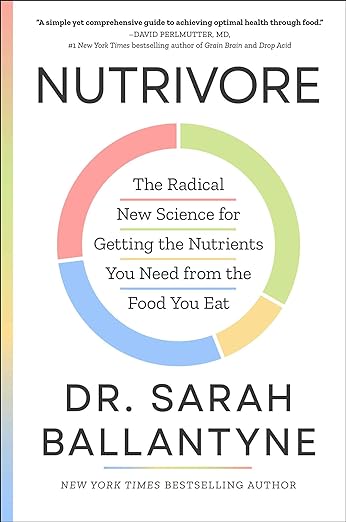
Currently reading this book and loving the simple, easy to understand common sense approach to nutrition. Highly recommend checking it out! Remember knowledge is always our super power. Further information below is from the publisher’s website:

Nutrivore is a paradigm shifting, comprehensive approach to nutrition that includes:

-An easy-to-follow plan for getting the full spectrum of nutrients we all need to reach our health goals, focusing on twelve foundational food families.

-Definitive science that identifies foods rich in the nutrients that treat common symptoms and ailments.-Comprehensive lists of foods and pain points that you can use to craft your own unique eating plan, such as eating magnesium

-rich leafy greens to help with headaches, potassium-packed sweet potatoes to help lower blood pressure, or molasses loaded with calcium to relieve PMS.

Products I Recommend

This is the vegan multivitamin I highly recommend and take. I like the company’s mission and ingredients. These are specifically designed to support your plant-based diet with the 8 missing or hard-to-get nutrients essential for your health and well-being.

If you have any questions about this blog, or wish to share your experiences with supplements, or targeted advertisements, kindly reach out to me at laurakump@reclaiminghealth.blog, on Instagram or Facebook, or in the comment section below.

*As an Amazon Associate, I may receive compensation for any items purchased. I only recommend products I personally use and love. Any purchase made is at no additional cost to you and helps offset the cost of running this blog. Thank you for your support.
Quick and Healthy Summer Meals: Smoothie, Buddha Bowl, and Light Snack

“Plants are infinite – this diet isn’t limiting and there’s so much more to explore! That’s what excites me about it most.” – Denai Moore on the Simply Vegan Podcast

As much as I love to cook, there are days that I am not able to spend as much time in the kitchen as I’d like. As Summer heats up, so does my calendar. Outdoor pickleball is now in full swing, as well as long bike rides and lazy pool days. We love to be outdoors, enjoying the weather and our community, but eating healthy is still important to us. To make things easier this year, I have three staple meals that I prep for, and rely on during the week if my time runs short for cooking. They are all super easy and packed with healthy nutrients to keep us satisfied, healthy, and full.

BREAKFAST:

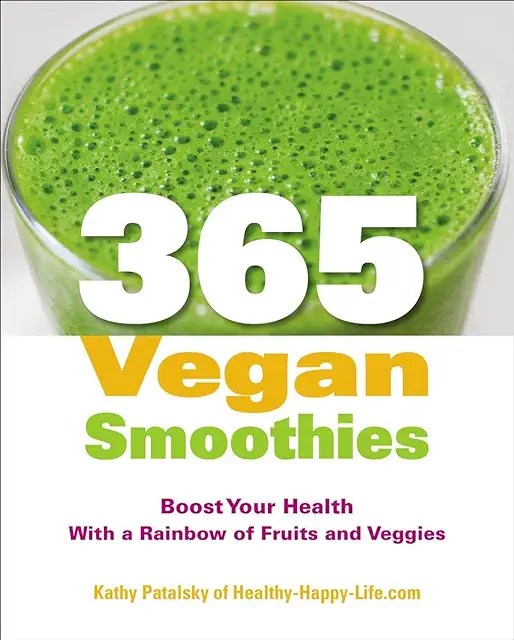
I need to be on the courts by 8 AM most days and hate to play sports after eating a meal. I don’t believe in skipping breakfast and do need the nutrients to power through my sessions. Most days a simple nutrient-packed smoothie keeps me full and satisfied for hours. In order to be prepared for this breakfast, I always have frozen organic berries on hand, as well as other mixed organic fruit options. I always have a container of green leafy vegetables on hand as well as frozen broccoli florets.

Basic Elements of Smoothie

  • Protein
  • Green vegetables (kale or spinach, sometimes broccoli)
  • Nut milk (unsweetened)
  • Fiber (in addition to what is in the fruit and vegetables, I add 1 date, 1 kiwi, OR 1/2 banana, all high in fiber)
  • Fruit (fresh or frozen berries, I like frozen because it chills the smoothie)
  • Seeds (hemp, chia & flax)
  • Red Beets (cooked)

Breakfast Smoothie Recipe

  • 1 cup of baby spinach in your blender
  • 1 tsp each flax, chia and hemp seeds
  • 1 red beet (I buy the cooked organic ones)
  • 1 cup frozen fruit (I used mixed berries)
  • 1 date
  • 1 peeled kiwi OR 1/2 bananna
  • 1 cup unsweetened nut milk (I use almond milk)
  • 3 tbsp unflavored Complement pea protein (optional)
  • Blend and serve (This will thicken if you don’t drink it immediately due to the chia and flax.)

DINNER:

We eat our main meal of the day at lunchtime, as it’s better for our sleep. We like to eat lighter later in the day, so lunch is our dinner meal. My favorite go-to, easy meal is known as a buddha bowl. Generally, a buddha bowl is an easy to assemble meal, using what you have on hand. Very often people utilize their left over food to ensure nothing goes to waste. In order to be prepared for buddha bowls, you need to have certain items prepped and ready. I like to prepare a cup of farro and store it in a container for use in our bowls. I also love to have some french lentils cooked and ready. Canned chickpeas, black beans and lentils are also great to have.

Basic Elements of Buddha Bowls

  • Base (Whole grains and greens, our favorites are farro, brown basmati rice, quinoa. We also love baby spinach or Japanese kale)
  • Protein (We are vegan, so we use canned chickpeas or tofu)
  • Vegetables (Any you’d like to add in, or have left-over)
  • Sauce (We are oil-free, so I look for vegan recipes and remove the oil)
  • Toppings/garnishes (We use seeds for toppings, flax, hemp, pumpkin, etc.)

How I Assemble the Buddha Bowl

  1. Layer 2 bases at the bottom of your bowl, for example, 1/3 cup farro and 1 cup baby spinach.
  2. Arrange vegetables on top of the grain. (I use leftovers mostly, but my favorites are chopped roasted baby peppers, broccoli, or carrots. As many as you like, I generally select 2. I also like to chop some cucumber to put into my bowl for some added crunch.)
  3. Add your protein. (I select 2, generally chickpeas and grilled tofu.)
  4. Add your toppings (I sprinkle 1 tsp of sesame seeds, hemp seeds, flax seeds, or pumpkin seeds on my bowl.)
  5. Separately, make your dressing, or get your purchased one ready by shaking.
  6. Drizzle 2 tablespoons of dressing over bowl and enjoy. These bowls are so refreshing, especially this time of the year.

SNACK MEAL

Our last meal of the day is something light. In the winter, we eat soup as it’s easy to put together. It is also easy for your body to digest soup before bed. In the warmer months, we often eat a chopped salad with berries, pomegranate seeds, tomato, pistachios, cherry tomatoes and chopped cucumber. We use fresh squeezed lemon juice for our dressing. I purchase a family-size container of organic salad greens. I wash and spin this dry, ensuring to dry the greens thoroughly. I then assemble the salad in a large bowl, or lasagna pan. I like to put the salad together without dressing, so we can grab it quickly during the week. This premade salad lasts about 3 days in the refrigerator without dressing.

As you can see, these three meal options are super easy to prepare and eat during your busy summer days. Of course, you can add in freshly cooked meals as your time allows. Homemade bean burgers are a quick and easy favorite for us. Eating healthy doesn’t have to be hard, tasteless, or boring. Just purchase and prepare a few staple items and you’ll have easy meals available to quickly assemble all summer long. These options are all delicious and the possibilities of ingredients are truly endless as there is so much fresh, seasonal produce to select from.

I hope you enjoy these meals. Please reach out and share some new ideas with me for quick meals. It’s important to stay on track for healthy eating, something that in the past I struggled with. Planning ahead does make things easier for me. Feel free to reach out to me at laurakump@reclaiminghealth.blog, on Instagram or Facebook, or in the comment section below.

Healthy Lifestyle: Food, Exercise, and Joy in My Daily Routine

“Health isn’t about being “perfect” with food or exercise or herbs. Health is about balancing those things with your desires. It’s about nourishing your spirit as well as your body.”
Golda Poretsky

Many have asked me about what I eat, how much I exercise, how many days I work out and other questions about my daily life. This week, I’d like to share what a typical day looks like for me. I am not a medical doctor, nor am I am I advocating you eat what I do. I am merely sharing my routine, in the hope you reflect on yours and consider ways to ensure you are setting yourself up to live a long and healthy life. As wellness is truly a personal journey, we all need to find what works for our lives and our bodies. This is what works for me, after many years of trying and failing.

Food

As you know, I eat whole food plant based, dairy and oil free. Many have asked me how this is different from vegan. The simple answer is that vegan is a lifestyle choice based on personal beliefs regarding animal cruelty, the environment, health and can include processed foods. Most vegans do not purchase any products, including clothing and shoes made from animals. Whole Food Plant Based is a lifestyle choice based on health and wellness and centers around food choices. It also includes wanting to protect animals and the environment, but does not include processed foods. I am sure there are other areas to include in the difference, but that’s my short answer.

I try to eat a minimum of 30 different plants across the week. It’s not hard to do at all as you’ll see in my sample day. The trick is to eat a variety of plants and fruits, or eat the rainbow of colors. Variety is key to a healthy gut, so don’t just eat the same foods day after day. For example, if you eat baby spinach, don’t use it in the smoothie, salad and at dinner. There are so many other greens that have great benefits for your wellness. Here’s a sample day for me:

  • Breakfast – I like to make a smoothie most mornings, as it’s easy and helps ensure I get extra plants in. Today I had, almond milk, kale, red beet, kiwi, date, blueberry, hemp seed, chia seed, flaxseed, cinnamon, avocado, organic pea protein (11 plants)
  • Snack – I don’t always have snacks as the shake keeps me full. Sample snack, 1/2 banana and walnuts, or hummus and vegetable sticks, any fruits with almond milk yogurt.
  • Lunch – I eat my dinner at lunchtime, whenever possible. Yesterday, we had leftovers – Basil Pesto over pasta with broccoli, roasted tomatoes and tofu. The pasta was whole wheat, high fiber fettuccine. (4 plants)
  • Dinner – I generally eat a light dinner. If I didn’t have a smoothie for breakfast, I will have it for dinner. Otherwise, I eat a big salad bowl full of plants, or a soup. Yesterday, I had a big salad bowl of arugula, baby spinach, strawberries, pumpkin seeds, mini peppers (red, yellow, orange) and cucumbers. (8 plants) (23 total plants for day)

Eating the main meal earlier in the day helps my digestion and improves my sleep patterns for the night. It also aligns with the rhythm of the day better as in the evening the body is preparing to slow down for rest. When I was working, this involved packing my main meal to eat at work, or ordering food in to eat. It can be done, but requires better planning. I included plant counts merely to show how easy it would be to eat 30 plants across your week. I’ve already had 23 in one day. For me, the key was ensuring I was getting a variety of plants. This led me to stop buying food in bulk. Buying everything in bulk may be more cost effective, but that sets me up to eat the same fruits and vegetables every day. Since, I am seeking variety, I buy the smaller packages now and vary what I eat daily. This also keeps the food more interesting.

If you want to read more about my eating, consider reading these posts I’ve shared – Change Our Thinking About Food, Fork Power, Cooking to Nourish Your Mind, Body & Soul, Cookbook Recommendations

Exercise

  • Walking – When I started this journey, I had difficulty walking around the block! Walking was my go to exercise and one I still incorporate into my day, every day. Walking doesn’t require a gym membership and can be done alone, or with a friend. I tend to prefer to walk alone, but do bring my dog with me on my daily walks. I walk every single day, regardless of the weather, for a minimum of 30 minutes. This, for me, is about 1.5 miles of distance. I walk outside in nature, as I want the added benefits that provides. Walking in nature is great for your mental wellness, so please if you can avoid the treadmill, you may find you enjoy walking more than you thought.
  • Pickleball -I play pickleball at least 4 days a week, sometimes more during the season. It’s a great form of aerobic exercise and I truly love the social connections I’ve made.
  • Yoga – I practice yoga 2-3 days a week both in studio and at home. This keeps me flexible and is also great for my mental wellness.
  • Weight Training – I try to lift weights, or use the machines at the gym at least 1-2 times a week.

I highly recommend finding a group sport you enjoy and adding it to your week. There are many elderly people out there on pickleball courts across our country. At my indoor facility, we have an 82 year old woman who plays to win daily. Yoga is also for every body and can be modified to meet you where you are. The benefits are many and I do believe you will come to love how you feel in a very short time. Lastly, I am an early riser, so much of the gym, sports and yoga occur before lunch daily. Walking happens after lunch, or dinner. Like food we eat, I believe we benefit from engaging in a variety of exercise. I have shared more about my exercise in prior posts found here Move to Live, Svadhyaya – Study of Self,

Finding Joy

For me, this journey is about finding myself, my health and above all joy. For far too long, I focused too heavily on counting calories and stressed myself out. Life is not meant to be lived that way and honestly, I was never successful with that approach. Counting plants, something I mentioned above, is something I did in the first week of eating whole food plant based. Once I realized how simple it was, I’ve not counted again. It is something you need to stress over if you eat whole food plant based meals, unless you have a specific health issue. Nothing to count, not calories, macros, micros or anything else. Just eat whole foods and ensure you eat a variety of plants and fruits. I feel healthier than I have in years, perhaps decades. I’ve shared so many posts about my journey, on my blog over the years. I hope you’ll take some time to revisit these most recent posts – Try Something New, IRAH: Individual Retirement Account for Health – A Personal Transformation Journey, Stress, Eat to Live, The Compound Effect, Hold On

I hope this helps to give you an idea of my daily life. If you take time to visit some of the links I’ve shared to prior posts, perhaps you’ll find information on areas that interest you. I am so excited to have made it out of the winter weighing less than I did going into it. Generally, in the past, I gained weight and lost motivation over the winter months, leaving me to have to start over. This year, I’m heading into the summer stronger than ever and looking forward to continued health improvements. I truly hope you will join me. I am available to discuss your current questions, ideas and needs. Feel free to reach out to me at laurakump@reclaiminghealth.blog, on Instagram or Facebook, or in the comment section below. Thanks for reading and have a great and healthy week.

Mother’s Whisper

Your mother is always with you…
She’s the whisper of the leaves
as you walk down the street.
She’s the cool hand on your brow
when you’re not well.
Your mother lives inside your laughter.
She’s crystallized in every tear drop.
She’s the place you came from,
your first home…
She’s the map you follow
with every step that you take.
She’s your first love
and your first heart break…
and nothing on earth can separate you.
Not time, Not space
Not even death
will ever separate you
from your mothe
You carry her inside of you

-Deborah Culver

Mother’s Day is rapidly approaching, I felt it long before I knew the actual date. Missing my mother is something I’ve grown into, but not something I adjust to. I know how much I was loved, but felt ill prepared for the day I’d go on without her. Yet, here I am four years into this journey.

I’m a very nostalgic person at my core. I have strong memories that live inside me and I try to share them here on this blog, especially in my older cooking posts. Here is one such example, Isn’t it Ironic. Or, This is Us which talks about holding on to those items that have memories connected to them. Finally, my Mother’s Day post from back in 2018. Not much has changed, except I won’t be serving meat based meatballs this year. I do have a nice vegan version of meatballs to serve over zucchini noodles though.

I’ve learned along the way, that the best gift to give, or receive, is the gift of time. Spending time together means more to me than any flowers you send, though I love flowers. I do, however, love giving and receiving gifts that carry special meaning and memories. When it comes to Mother’s Day gifts, I always tried to attach that sentimentality to my selections. These are a few of the things I’ve been looking at for myself this year, all connected to family traditions, memories and of course, health.

*I only share things I personally love, whenever sharing items, and if you purchase through these links, there is no additional costs incurred to you. I may receive a small compensation from Amazon, which offsets the costs of running my blog, so thank you for your support.

Mother’s Day Gift Guide 2024

A Loving Table:Creating Memorable Gatherings, Kimberly Whitman
A truly stunning coffee table book that carries such a beautiful testament to family traditions. Beautiful photographs and words, take us on a journey. Inspiring tables and entertaining styles of 34 tastemakers in their regions or society at large show how they keep traditions passed down from mothers and grandmothers alive in their families. Each style maker shares tips and lessons in entertaining that she learned from the women in her life. Tip boxes from each generation will help the readers learn from them and use their ideas, or even better create their own traditions. This book pulled at me from the start, but the fact it was published on my birthday, made me feel all the more connected.

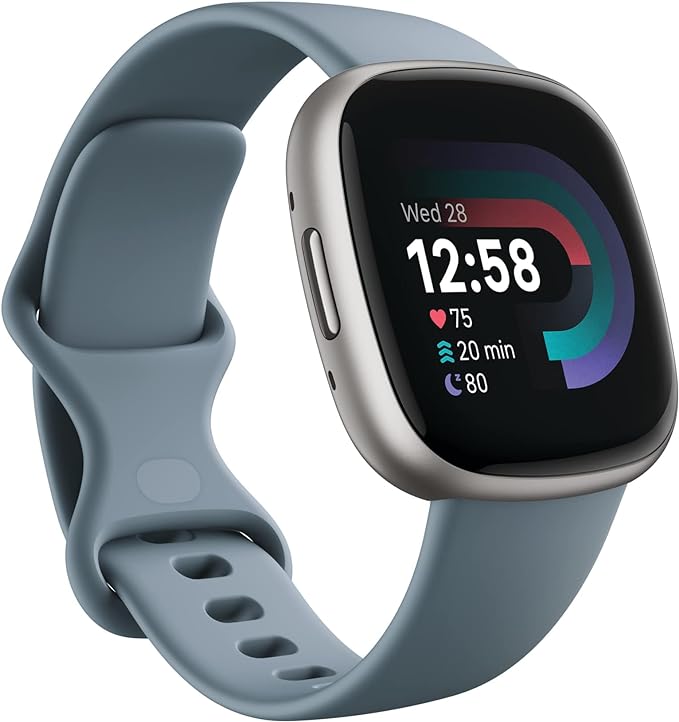
Fitbit Versa 4 Fitness Smartwatch with Daily Readiness, GPS, 24/7 Heart Rate, 40+ Exercise Modes, Sleep Tracking and more
I’ve been wearing my Fitbit for years and truly think it is the best gift of health you can give to anyone in your life. What get’s measured, gets improved and this watch allows me to measure my daily activity, heart rate and more. The most important measurement for my health journey has been my sleep tracking. I have really improved my sleep through awareness. I have written about the importance of sleep on my blog several times. Consider visiting one of these posts to learn more – Sweet Dreams and Sleep Your Secret Weapon.

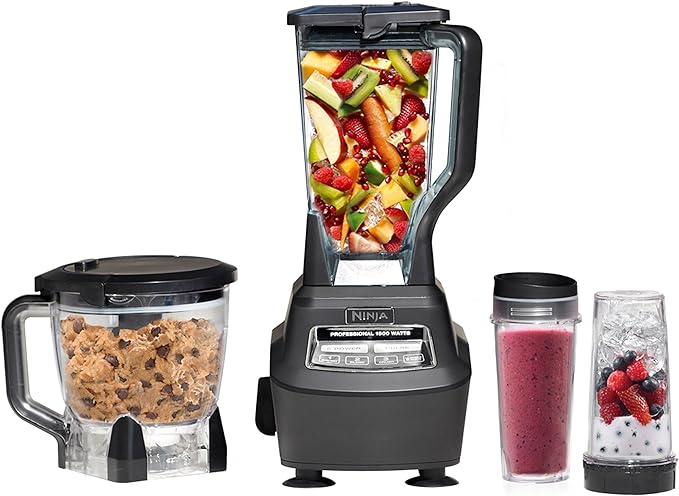
Ninja BL770 Mega Kitchen System, 1500W, 4 Functions for Smoothies, Processing, Dough, Drinks & More

I love this system so much, I’ve bought it twice. It was the first thing I purchased when I moved to my new home and I gifted one to my daughter in law. It’s truly the best gift you can give, or get, this Mother’s Day. It is a key component of my cooking and healthy lifestyle and one I use daily. I make morning smoothies, full of healthy vegetables and fruit to start my day off strong and I use the food processor almost daily to prepare my plant based recipes. I’ve had an expensive Vitamix, but the ease of use and especially cleaning of this machine makes it the winner, hands down! It is a must have for any home cook in your life.

Maman and Me: Recipes from Our Iranian American Family by Roya Shariat and Gita Sadeh
This is on my personal gift list this year, so I hope my family is reading. A gorgeous cookbook filled with 78 delicious cook-at-home Iranian American recipes from a mother and daughter. The authors welcome you into their home, as they share their family recipes that include soups and stews, main dishes, desserts, beverages, and so much more. The book takes a unique approach to Iranian cuisine, with recipes and twists that celebrate the evolution of Iranian food in America. I have been expanding my cooking repertoire to include more international recipes and this book looks so exciting. I cannot wait to try the garlicky eggplant dip!

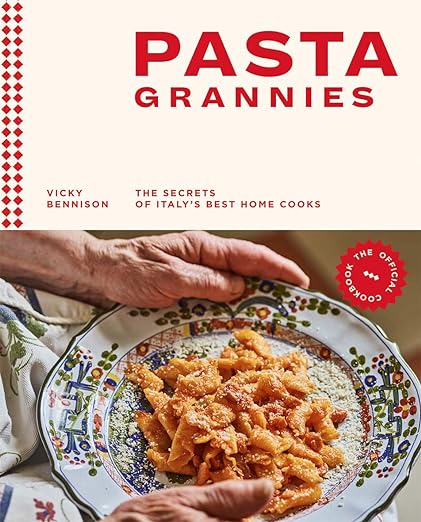
Pasta Grannies: The Official Cookbook: The Secrets of Italy’s Best Home Cooks
In NYC, we often ate at a beautiful restaurant called, Nonnas. The chefs rotated and were all Nonnas from different regions. There is a Youtube channel put out by the Nonnas in this book. I highly recommend you check them out and this book as well. I mean, who doesn’t love pasta? I love making homemade pasta for my family. Fresh ingredients and homemade are so much healthier than processed pasta offerings in boxes at supermarkets. Give it a try, even if you limit your pasta indulgence, you’ll be glad you did.

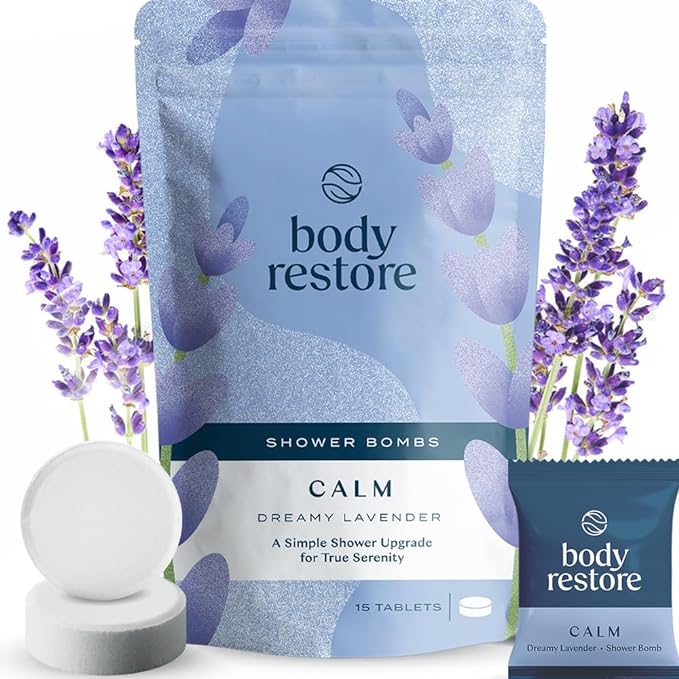
Body Restore Shower Steamers Aromatherapy 15 Packs – Stress Relief and Effortless Self Care, Lavender Bath Bombs

I love these shower steamers and bath bombs, especially as a way to end the day. Totally relaxing and feels so comforting. Cannot go wrong with this gift for anyone in your life, for any gift event.

I hope you enjoy shopping for those you love as much as I do. I am honored to share my journey with you all and hope you get what you most want this year, health and happiness. In life, there is no gift we need more than that. I’ll close with a loving kindness meditation poem and hope it brings you joy this Mother’s Day.

May you be safe.
May you be happy.
May you be healthy.
May you live with ease.

As always, feel free to reach out anytime. I love hearing about your journeys. You can contact me via email at laurakump@reclaiminghealth.blog, or on Instagram or Facebook.

Move to Live

“…but I now consider exercise to be the most potent longevity “drug” in our arsenal, in terms of lifespan and healthspan. The data are unambiguous: exercise not only delays actual death but also prevents both cognitive and physical decline, better than any other intervention.”
― Peter Attia, Outlive: The Science and Art of Longevity

When I was an educator, we had an initiative called, Move to Improve that was instituted by the city as a means to draw attention to health and wellness. The main focus was on the benefits of exercise to student health and its connection to improved learning. When I think of moving these days, my focus is still on the connection of exercise to my overall wellness, but also am focused on healthy longevity. Nutrition is often thought of as the most important of the health pillars, however, movement could actually be far more important. Dr William Sears, lists movement as a key component in his pillars for healthy living and states, “sit less, move more, live longer“.

Doing less sitting and moving more, can be tied to living longer. Replacing 30 minutes per day of sedentary time with 30 minutes of physical activity at a light intensity was associated with a 17% lower risk of early death in a study published in the American Journal of Epidemiology. Thirty minutes (30) would be your minimum movement per day and is a good starting point for many beginning a health journey, after long periods of being sedentary. It can be an simple as a 30 minute walk per day to begin. It is where I began my journey as well, and a commitment I made to myself, that no matter what the day brings, I would get at least a 30 minute walk every day outside in nature. I have kept this promise to myself for over a year now and it has had a huge impact on both my physical and emotional wellness.

Obviously, the hope is that you continue to increase your movement as you feel healthier and more able. I will share my journey to increase movement over the past year below. I would caution you to ease into any new routine and always have a physical with your medical professional before staring any exercise program.

Walking

Terribly out of shape, this former long distance runner needed to start slowly after a year and a half of not moving following a running injury. I made a commitment to myself to walk AT LEAST 30 minutes outside in nature every day. I simply walked my dog for 30 minutes every day. Being outside in nature is great for mental wellness, so please do leave the headsets home and enjoy the sights and sounds.

Tracking Movement

I’ve shared before that I wear a Fitbit tracker on my wrist every day. I now shoot for 10,000 steps each day, but when I started out I shot for 5,000, then increased to 8,000. It’s best to set goals that you will meet at first, because that will motivate you to continue. The tracker counts all movement, so even just walking in your house will get you credit. I never realized how sedentary I truly was until I wore the tracker. The one I linked is currently on a great sale now at Amazon at 25% off. I also wear this to bed to track my sleep (see my post on sleep here) every night, so it’s a win win device for wellness.

Yoga

I was far away from the shape I was in when I used to do daily power yoga classes, but that was just fine. I returned to my yoga practice, taking it slowly. I started out with very gentle Hatha yoga classes, which involved seated poses and stretching of muscles. As I improved, I moved to gentle flow classes and gradually increased the difficulty. Yoga is truly a key to my overall wellness program. It keeps my muscles supple, strengthens, improves breathing through breath work and improves my emotional wellness. I highly recommend yoga to anyone seeking to improve their wellness. It is accessible to any one, as you can modify it to suit your body. You can even take a chair yoga class when starting. Don’t hesitate to take yoga, you don’t have to be “fit” to start, just start. (Read my post on yoga here.)

Strength Training

As we age we lose muscle mass, strength and function, starting as young as 30 years old. The good news is that we can offset these loses through strength training. You don’t have to join Crossfit to build muscle, though it is a fabulous workout. Light weights, body weight movements, or use of circuit machines are a great option to add into your wellness routine. I try to do light weight training, combined with body weight exercises at least 2x a week. I did not start this immediately when returning to exercise, rather, when I felt ready, added it in. I use light dumbells, the Smith machine barbell at the gym, push ups and hanging pull ups mainly in my current routine. Start with a 3 pound dumbell and work your way up from there.

Aerobic Exercise

In order to improve fitness, strength, stamina, mood and cardiovascular health, I worked my way back to including aerobic exercise in my weekly exercise routine. It took me several months to get there, as I slowly increased my readiness. I love playing pickball and play at least 3 times each week, year round. I would love to get back to running regularly, but will never run long distance again. It’s just not necessary. I have been running one mile occasionally and it does feel good. Building our aerobic capacity is an important component of your wellness journey, so begin to think about what you enjoy doing. There are many options including, swimming, biking, interval training, running, tennis, pickleball, etc.

Balance

Balance is key. Do not overdo fitness, especially at first. Remember, we are in this for the long term, quite literally. Make a plan for your week and ensure you include rest days. That doesn’t mean you are sedentary, you still should have at least 30 minutes of movement. Remember walking is the easiest and most powerful tool in your fitness regime.

In his book, Outlive:The Art and Science of Longevity, Peter Attia, MD provides us with a guide to understanding why and what we should be doing to potentially offset chronic disease and live a longer and healthier life. He writes and explains in quite clear and understandable language. I am truly grateful to have come across this book and thoroughly enjoyed reading it. I highly recommend you become more informed about aging and longevity, even if you are under 30. It is critical to understand that the choices we make have implications on us in the future. Changing our stance from treating illnesses we develop later in life, to living better now to prevent their development will serve us all well. I for one have been on this path for quite some time now and am still far from an expert. I am just living my best life and planning for my future self. I hope you’ll take the time out to read this book, but if not, I hope you’ll take time out to reexamine your daily movement and exercise routines. Your future self will thank you, as will your family who will enjoy more quality time spent with you.

If you have any questions, or comments about my blog, please do feel free to reach out to me at laurakump@reclaiminghealth.blog, on Instagram, Facebook, or in the comment section below.

*As an Amazon associate, I may receive compensation for any of the links I have provided. This helps offset the cost of running my blog, so I thank you in advance.

Sugar Sugar

Sugar caused obesity, tooth decay, and diabetes long before anyone ever heard of a calorie. – Case Against Sugar

In the book, Case Against Sugar, Gary Taubes states,Sugar is not just a delicious pleasure. It is a toxic substance that is wreaking havoc on our bodies and our brains.” Sugar is lurking in all foods, especially processed foods. When you start reading food labels for more than just the calorie counts, you find sugar has many fancy names to hide behind. Next time you go shopping, pick up any item you are buying and scan the food labels. Look down beneath where you usually look and seek out the list of ingredients. There you will likely find many words you cannot even pronounce and many different names for sugar. These include common names, such as sucrose and high-fructose corn syrup, as well as barley malt, dextrose, maltose and rice syrup, among others. Healthline Nutrition provides a list of 56 names for sugar on their website found here.

One of the good things about eating whole food plant based, or whole food diets is that by eliminating processed foods, we are eliminating a main source of sugar intake. There are different schools of thought on sugar intake when eating whole foods, but I believe in eliminating all refined sugars and natural sweeteners such as Stevia, honey and agave. There is research to support the use of those and also research that supports the dangers of using. For me, I made a personal decision to avoid them. You will make your own personal decisions regarding those sweetener options. The only thing I use for sweetening, when necessary in recipes, are fresh dates, date syrup and pure maple syrup. I don’t use them often and find myself using less and less as my taste buds change.

Just a word about fruit, as I know many people won’t eat fruit due to fructose. According to Michael Greger, M.D., only commercially-produced fructose, not whole fruit-derived fructose, associates with a decline in liver function and an increase in high blood pressure. This short video, If Fructose is Bad, What About Fruit?, shares his thoughts. Additionally, his ground breaking book, How Not to Die, has been deemed, “Absolutely the best book I’ve read on nutrition and diet” by Dan Buettner, author of The Blue Zones Solution. For a simple read on nutrition and food choices, I highly recommend this easy to understand and refreshing book, Chew on This, by Brook Bussard, MD.

Here are some simple steps I used to reduce sugar:

  • Read Labels – Look for added sugar in the ingredients list to ensure no sugar has been added during processing. Products are considered to be high in sugar if they have more than 22.5g of total sugars per 100g. They are considered low if they have 5g or less of total sugars per 100g.
  • If it’s in the house it’s in the mouth – Don’t buy any refined sugars, or sweet treats that contain high levels of sugar. If you have it you will use and eat it. If you need something sweet after dinner, have a few black grapes or piece of fruit instead.
  • Coffee Creamers & Nut Milks – I don’t buy any coffee creamers or nut milks. I have been making my own for the past 6 months and can’t believe how easy and delicious it is. The important piece here is I have full control over what goes in my coffee and nut milks and it’s not chemicals or sugar! This machine was a bit pricey, but I like that I can also make smoothies and purees in here. I’m also saving money on store bought milks. Very versatile machine and super easy! No need to strain or soak the nuts. 8 in 1 Nut Milk Machine
  • Eat Plant Based Diet – I am eating 100% plant based, but that is my personal choice, based on science. If you are not ready for that, just increasing your plant and fruit intake can have an impact on your sugar reduction. That is because plant-based diets are low in saturated fat (a culprit behind insulin resistance) and high in fiber, which helps the body to regulate blood sugar and properly absorb nutrients. Plant-based diets also reduce the risk of being overweight or obese, a primary risk factor for Type 2 diabetes. Get a free plant based guide from Forks Over Knives.
  • Drink More Water – I drink half my body weight in ounces each day. It’s not always easy, but I do my best. Currently, I fill and use this 80 ounce jug to ensure I meet my goals. I hated having all those plastic bottles and often lost count of what I was drinking. Just a note, I do use the water in it for any coffee, or tea I consume in the day. I don’t drink any other types of drinks, including alchohol.
  • Cook – I’ve long advocated home cooking for healthier options and ingredient control. Here are two recent blogs on this topic. Cooking to Nourish Your Mind, Body & Soul and Cookbook Recommendations.

I believe reducing refined sugar intake has had a positive impact on my health and weight loss. Becoming more aware of what I am putting in my body has been a true help. The weight continues to come off, but more importantly, I feel better. I hope you’ll consider looking at your current intake of sugar. You will be surprised at all the places it is hiding. Let me know how it goes and if you have any questions, reach out to me at laurakump@reclaiminghealth.blog. If you find sugar lurking on a food label, take a photo and tag me on Instagram, so we can learn together. I’d love to hear how you do!

*This post may contain affiliate links and as an Amazon Associate, I may receive compensation for them. This helps offset the cost of running this blog, so I thank you for your support.

Miracle Morning

“Good morning is not just a word. It’s an action and a belief to live the entire day well. Morning is the time when you set the tone for the rest of the day. Set it right!” — Fain Blake

In his book, The Miracle Morning, Hal Elrod argues that everyone is capable of achieving their dreams in every area of life. The answer is found through committing yourself to a morning self care routine, which can empower anyone to transform any area of their life in a surprisingly short time. Mornings have long been my favorite time of day, especially early morning before the sun rise. I just love the quiet and stillness of the morning, before the world has awakened. I’ve witnessed so many beautiful sunrises, especially here at the beach and I’m most productive in the morning.

Hal Elrod, in his book, describes a specific morning routine you can follow each day. I have followed that routine for many years effectively. Lately, I’ve made some tweaks to my morning routine, to reflect my current exploration and learning about health and nutrition. I’m leaning into Ayurvedic teachings and exploring some simple morning routines. The Little Book of Grounding: Seventy-Five Simple Ways to Restore Balance to Your Mind–Body–Spirit Using Ancient Ayurvedic Teachings for Today’s World, by Karen Sibal, is a great place to start if you want simple information and advice about Ayurvedic teachings. It is currently being offered digitally for free on Amazon.

What is Ayurvedic Nutrition

Translated from Sanskrit, Ayurveda means “science of life.” Ayurveda is a complete system of medicine in India, which includes the prevention and treatment of disease. One focus is on nourishing the body through food, eating for balance and harmony with nature and using nutrition to address health concerns, along with conventional care.

Ayurvedic Eating Principles

In her new cookbook, JoyFull: Cook Effortlessly, Eat Freely, Live Radiantly, Radhi Devlukia-Shetty shares in a practical manner, principles of an Ayurvedic lifestyle, with a focus on food and simple morning wellness routines.

Ayurvedic Principles:

  • Eat Seasonally – Nature provides us with food for every season. Eating from these seasonal foods will help balance your energy. When we eat seasonally, we are said to be better nourished.
  • Eating Organic – Buy locally grown foods which are organic. Realistically, this can be challenging depending on your location. Frozen fruit and vegetables, along with no salt canned bean options can fill any gaps. Also, if you cannot afford organic, use guides for the most important produce to spend the extra money on. One such list is known as the Dirty Dozen shopping guide, found for free on EWG’s website.
  • Cycles of Nature – Our bodies follow the circadian rhythms of nature. Eating your meals in alignment with this rhythm is important. Breakfast is the warm up for the day and your digestive fires. A warm breakfast such as stewed apples, or a smoothie are good to get your body moving. Lunch, is the beginning of our highest energy part of the day and we should consume our largest meal at this time. Dinner time finds our body getting ready to transition towards sleep. This meal should be a light meal, so as not to interfere with this transition, or the quality of our sleep.
  • Snacks – It is believed that we get all our nutritional needs from our meals during the day, making snacks unnecessary.

Morning Routine

After reflecting on my morning routine, coupled with these ideas, I made a few changes. The new self-care routine, is based on information provided in the Joyfull Cookbook. Here is my current daily routine:

  • I wake each day at 5:00 A.M.
  • Self-Care & Reflexology Routine :
  • I stand on my Daiwa Felicity Foot Massager Reflexology Mat with Magnetic Therapy Acupressure Disc while I wash my face, brush my teeth, dry brush my skin and apply massage oil. This disc is used for reflexology, which is a therapy that applies gentle pressure to specific points along your feet to help you feel better. The theory is that this will ease stress, and help your body work better. I wear thin socks when doing this and am working towards being barefoot on it.
  • Mouth care – I use a tongue scraper to remove the film from the night off my tongue. It is believed that tongue scraping removes debris and bacteria from the tongue, improving mouth health and bad breath. It may also improve your sense of taste. I then brush my teeth and follow this up with oil pulling, using a perfect blend of oil, vitamins and herbs that leaves my breath, teeth and gums invigorated for hours.
  • Skin & Body Care – I wash my face. I then begin to dry brush my entire body, using upward strokes towards the heart. I make circular motions with the brush on joints and the stomach area. Dry brushing is said to exfoliate and detoxify skin. Once I have dry brushed my entire body, I apply massage oil , working it into the skin, using massaging strokes. This oil moistures your skin and has a warming effect on me. If I am going out early, I shower following dry brushing and apply the oil after my shower.
  • Breakfast – When I enter my kitchen, I light my scented candle on the stove and begin to prepare my food. Most days, I have a smoothie because it’s easy, but I do rotate in some Chai Oatmeal (Recipe found in Joyfull).
  • Morning Movement – I go for an early morning walk, often the sun is just starting to rise. Some days, I go a little bit later after journaling, reading and reflecting. It really depends on the events I have planned for the day. If journaling and reading, I sit in my chair with my scented candle nearby. I plan to add some breath work here, but have not started yet.

This morning routine really is very simple, but powerful, my favorite kind of routine. It helps me enter the day in a great frame of mind and energy. I have been far less stressed, so it definitely is easing stress and anxiety for me. If I didn’t say this already, I do not have the morning news on during any of the routine. I like to sit in the quiet of my home. I’m very excited to see how the new skin routine helps my dry winter skin!

If you’d like to try any of the routines mentioned above, I highly recommend you consider purchasing the Joyfull Cookbook as a great tool. The recipes are fantastic, nourishing and easy to prepare. Radhi’s simplicity in explaining her beliefs and morning routines are an added bonus. The cycle of the body aligned with nature, really made sense to me. I had been eating my main meal at lunch for years, but it was helpful understand why it is important.

If you have any questions about my morning routine, or where to start, please do not hesitate to contact me via email at laurakump@reclaiminghealth.blog, on Instagram or in the comment section below. Let’s make use our morning routines to capture the energy, strength and beauty of the sunrise.

*All items are linked in the post, and as an Amazon Associate, I may receive compensation for any purchase made. I thank you for the support as it helps cover my expenses for running this website.

Growing Wings

“There is freedom waiting for you,

On the breezes of the sky,

And you ask “What if I fall?

Oh but my darling,

What if you fly?”

Erin Hanson

When I was teaching, I absolutely loved being in the classroom. I was first asked to be an Instructional Coach back in my early years of teaching and didn’t want to leave the classroom. My Principal at the time said to me that within my classroom, I would impact the lives of my students for the year they are with me, maybe beyond. If I stepped outside the classroom and worked with educators, I’d have impact on many more students through this work. In the end, I made the transition and loved it, going on to become a Principal a short time later.

My Principal was right in his advice, sometimes we have to step outside our comfort zone and share our knowledge and learning with others. It has been said, that the knowledge we gain, if not shared or used, is knowledge wasted. That’s one of the reasons I started this blog years ago, as both a source of strength for me on my journey and to engage with others on similar paths. It is through these connections that I both learn and share my learning.

Over the past year, I have engaged in the study of nutrition and wellness. I am now a Certified Wellness Coach. I am finishing up my 200 hour yoga teacher certification to become a Yoga Alliance Certified Yoga Teacher and taking an additional 20 hour course on Somatic Yoga for Therapy. Additionally, I am completing an 8 week deep dive into Whole Food Plant Based Nutrition. I know it sounds like a lot, but I have always been a certified knowledge junkie. I love to learn and would have chosen full time student as my best career! I am now beginning to think of ways I can share my learning with others. I’m developing plans to begin sharing my learning in a more systematic way.

What I believe I can offer to the conversation on health and wellness, is a deeply rooted understanding of what high stress, example, from executive level positions, can do to one’s health and wellness. I have lived through that journey and know that most corporations don’t offer plans, or take into account how to provide continuous systems to address wellness. Merely offering discounts on outside plans, or apps is truly not enough, as most people don’t take advantage of them. I am hesitant to dip my toes in the wellness water, as I feel the imposter syndrome voice raising her voice in my ear, but will push through those doubts.

I’d also like to work with women like me, who have tried many times to get this right and failed. I’ve lived that journey as well, starting over time and again. I have learned so much this past year, that I wish I knew during the past eight years of my health journey. Perhaps I would have had more success along the bumpy road. Perhaps, I was meant to fail over and over to push me to learn more and find my way. Perhaps I am right where I’m supposed to be. Many of you have reached out and shared your connections to my journey and that has fueled me forward. I’d love to get some groups going and will launch one in the coming months on my Instagram page. I will offer fully online groups, as well as in person for local people.

I’d like to deepen the sharing of my personal journey and use that as the vehicle to help others get started. Most of us are afraid to put ourselves out there and ask for help. We fear judgement from others who are in optimal shape and fear we are too far gone to be able to make this journey. I am living proof that it is never too late to try again. I am going to put together some specific content to help others get started on their path to reclaiming their health.

As you know, I am a small steps, big results person. I know full well that if it feels complicated, it likely won’t happen. In the coming months, I’ll be working on building some content and will be sharing information here and on my Instagram page. I hope you’ll take this journey with me in some form. I always learn from your journey and feedback. Even if just one person is helped by something I share, I will consider myself successful.

If you have any questions, feedback, or comments on any of my blogs, reach out to me via email at laurakump@reclaiminghealth.blog, on Instagram or in the comment section below.

Svadhyaya – Study of Self

“Knowing yourself is the beginning of all wisdom.” – Aristotle

The word svadhyaya means to engage in the study of self. It is deep work that seeks to go beyond the mind’s explanation of who we are, to find the true essence of ourselves at our core. It is work that can help us realize who we truly are, through recognizing our habits and thought processes.

Throughout our lives we are guided by voices inside that seem to know right from wrong. Some call this our conscience, others the divine. I call that inner voice our ego as many times we are acting out of a sense of self preservation, proving we are indeed deserving and good enough. I also call it the inner critic, the voice that criticizes, doubts and causes us endless anxiety. We live our entire lives with these conversations going on in our minds, but rarely take the time to study them. It is, however, through engaging in the study of self, we can become more aware of the things we do that harm us, and also those which serve us on our journey to reclaim our health. 

Ways to Engage in Self Study

The practice of svadhyaya requires complete honesty in our reflections when we view ourselves. We need to stand strong throughout this journey, because the work is not always comfortable. We also need to remind ourselves daily to give ourselves grace and not revert to self criticism. As with anything, we are not seeking perfectionism in self study, but rather the freedom that truly knowing ourselves can provide. Here are some basic ways to get started on your study of self:

Being a Witness

This is an important stance to take at the start of our journey. We spend most of our lives reacting to situations without thinking. Being a witness means we take a step outside ourselves, to witness from a nonjudgemental stance. Our work is to notice how we are acting, feeling and what we are thinking. The point right now is just to notice, not judge or seek to change. It helps to write down what you notice so you can begin to see the patterns of you. For example, I noticed that I avoid conflict in my relationships. In looking at how I engage with others, I noticed that when I perceived conflict of any kind, I avoided the relationship. I believe this is done for self preservation, as a way to avoid being hurt, but I am still exploring this pattern.

Reading to Learn

You can choose what you want to read to grow and become more self aware. There is no shortage of great texts to learn from including, scripture, self-help books, websites, podcasts, etc. As you read, or listen, reflect upon how these words and messages resonate with your beliefs and actions. The work is not the reading, but rather the act of reflecting on the messages. The first books I read, back at the beginning of my learning, were The Four Agreements by Don Miguel Ruiz and When Things Fall Apart, by Pema Chodron. I also read The Secret Thoughts of Successful Women by Valerie Young. I joined a women’s book club to grow and learn about new books. I read so many great books over the years as part of this online club. You can check it out here – https://www.badasswomensbookclub.com/

On the Yoga Mat

I’ve found I learn the most about myself on the yoga mat. When I engage in a practice, I witness patterns that parallel how I respond to life situations. For example, when I experience discomfort holding a pose I notice my mind races as it seeks to get me out of that pose. Pigeon pose is one that I am most uncomfortable in and one that I avoid in my practice whenever I can. This avoidance mirrors my avoidance of conflict in relationships as I seek to avoid discomfort. Additionally, when I practice yoga and focus on my breathing, I notice how often I hold my breath, leading me to wonder how my breathing works throughout the day. You will notice all the places that your body is holding tension and begin to unravel those.

These are just a few ways to get started on your journey of self study. I am at the beginning myself, though I’ve practiced yoga for years on and off. I have long focused on the exercise aspect of my yoga practice, but now feel ready to dive into the inner work that comes with it. I hope you will consider joining me on this journey to self.

If you have any questions about this post, or how to get started, please do not hesitate to reach out via email at laurakump@reclaiminghealth.blog, Instagram or in the comment section below. Namaste

*As an Amazon Associate I may receive compensation for any affiliate links provided. This helps me offset the cost of running this website, so I thank you for your support.

Importance of Rest

“If you don’t give your mind and body a break, you’ll break. Stop pushing yourself through pain and exhaustion and take care of your needs.”

Unknown

I am an overachiever by nature. I get excited about new adventures, jump in without a thought and often become obsessive about them. I know this about myself and have worked hard to manage my enthusiasm. It’s not always easy, but I have paid the price in the past for not doing this work.

Rest is a critical component of any health journey and one that many overlook. You know the pattern, you start exercising and go to the gym every single day, feel guilty if you don’t go, so you push through the signs that your body is tired. This pattern often leads to injury, causing you to stop going to the gym. When I was running long distance and training for marathons, I fell into this pattern as well. I used to run through pain, thinking I couldn’t afford to miss a training day and that the pain would loosen up as I went – think “push through”. What that led to, three times on three separate training plans, was a stress fracture. What that caused was me being unable to run at all for months.

After my third femoral stress fracture, suffered during the 2018 NYC Marathon, which I finished in spite of being in pain from about mile 20, I had a hard recovery. It really hit me mentally harder than the others. I truly felt that my body had failed me. I now realize, I had failed my body. My body was telling me it was tired, but I refused to listen. That day, in particular, I knew I was in trouble at mile 20, but refused to not finish. My injury could have been much milder, had I listened and stopped, but instead I faced 6 weeks on crutches, followed by months of physical therapy and a lot of mental anguish. I know now that the body needs rest and we need to listen to the signs when we are pushing ourselves too hard.

As Spring arrives, I know I will see many of you out there walking and running, so thought it was a good time to remind us all, that we need to build intentional rest into our wellness plans. Here are a few of the things I do that have worked to keep me focused:

Sleep

The first area we need to study and learn about is our sleep patterns. I have no issue falling asleep, but my sleep is restless and I wake super early – think 3 AM. I went to a sleep doctor to ensure I did not have any medical issues preventing me from sleeping. Following that, I decided to take matters into my own hands. I went back to wearing my Fitbit watch and tracking my sleep. Fitbit has a great sleep app and while it may not be completely accurate, it gives me an idea of how I am sleeping.

In looking at my sleep, I noticed that my strengths were in my consistency. I have a consistent bedtime and spend enough time sleeping. My scores in those two areas are consistently high. My deep and REM sleep are usually within a good range. The area I needed to work on was the amount of restorative sleep I get each night. This explained why, despite sleeping a good amount of time, I was waking up feeling tired most days.

In order to address this, I began tracking my sleep in a journal and keeping track of what I ate, drank or did the day before, if my restorative sleep number was low. It was clear as day to see, that alcohol was one of the main culprits of disrupting my restorative sleep. Once I stopped drinking, I noticed an immediate improvement in this area. If I do have a drink now, I try to limit how late in the day I consume alcohol. These simple acts have had a good impact on the quality of my sleep.

Listening to My Body

Our bodies send clear signals when they are tired, pain being the most obvious. While muscle soreness is to be expected when starting a new exercise program, pain is not a signal to be overlooked. If you have a hard workout and feel sore the next day, take a rest day. This day can include some gentle stretching, gentle yoga, a sauna or hot tub session, hot bath or a slow long walk. It doesn’t mean sit on your couch all day, but it does mean you need to change your routine. I cannot state it enough, listen to your body’s signal and slow it down.

Fitbit also provides a readiness for workout score each day, based on your sleep patterns and exercise you’ve already done for the week. I found this information helpful as sometimes my body did not clearly a signal that it was tired, so I kept doing more and more exercise. Again, this doesn’t mean I sit on my couch all day watching Netflix. Rather, it means I intentionally choose different types of exercise to perform on days my readiness score is low.

I hope you consider taking a look at your sleep and perhaps tracking it, along with your exercise. This information can be extremely helpful in ensuring you are getting enough quality sleep and rest for your body to recharge. You will thank yourself for doing it and most likely feel better. My husband took a week off from pickleball this past week, as he kept telling me he felt “beat up.” After much insistence, he listened and took the week. When he returned yesterday, rather than coming home saying how badly he played because of the week off, he came home and said he had a great day. I am hopeful he now sees the benefit of intentional rest.

If you’d like to reach out to share your thoughts on resting as part of your wellness program, feel free to email me at laurakump@reclaiminghealthblog.com, contact me on Instagram, or in the comment section below. I’d love to hear how things are going for you as we move into Spring and what you have planned.