The Impact of Giving Up Running on My Health Journey: A Reflective Journey

“Movement will give you access to joy that will dramatically improve the quality of your life.” – Kelly McGonigal

I’ve been reflecting a lot recently on my current health journey. I feel like I’ve learned so much about myself through this reflection. It’s no secret that this last journey has been by far my hardest. There were many causes that led me to my lowest point, I can not just name one. It was like the perfect storm, a particularly bad or critical state of affairs, arising from a number of negative and unpredictable factors. In isolation, each event that happened was life changing. In combination, they served to wreak havoc on my mental and physical health.

The past four years have been some of the hardest in my life, but as they say, what doesn’t kill you makes you stronger. I am finally in a space where I can reflect on all I’ve learned through my experience. To share, my perfect storm consisted of the following events coming together, 1) physical injury that caused me to give up running; 2) COVID pandemic; 3) death of my mother.

I’d like to reflect today on the impact giving up running had on my overall wellness, as I believe it was deeper than I ever imagined.

Physical Injury

I was always a runner. I was up and out early mornings with my father as we ran around the neighborhood park. The loop was 1 1/3 miles and we did 3 loops to start our day. Later, I ran track in school and found I wasn’t good at the short, fast events, but I could run long distance. I’ve run 5k, 10k, Half Marathon and Marathon races. Running was a great sport for me, as I loved the time spent outside in nature. It truly is meditative.

During 2017 and 2018, I was training for the NYC Marathon. Both years, I did not make it to the starting line as I sustained a femoral stress fracture up near the hip joint. This injury required 12-16 weeks non weight bearing, followed by physical therapy. In 2018, I also sustained three broken toes. My body was definitely telling me it was time to cut back on running, but I had always wanted to run the NYC Marathon.

In 2019, I knew I wouldn’t be able to cover the training distance needed to get to the starting line, but was determined to get there. I used a different approach that year, cutting back on training run distance and working more on my functional strength, stamina and cardio. I signed up for CrossFit and used that as my main method of training, coupled with shorter runs, no more that 10 miles. That year, I was able to complete my goal and finish the NYC Marathon.

As excited and proud as I am about that goal, I know that I sacrificed my body to achieve it. I finished this race with another femoral stress fracture and this one seemed by far to be the most painful. I was back on crutches and back to the healing process. I knew that would be my last race and promised my family I would give up long runs. What I didn’t realize was how hard it would be to give up running and what role running played in my health journey.

Mental Wellness

When I returned to work, following the marathon, I was back on crutches. I was mad at my body and mad at myself for doing this to myself again. I truly felt that my body had failed me and didn’t understand why. Knowing my training and running days were over, I seemed to have less interest in recovery or maintaining my fitness levels. I had what I describe as a pity party and ate anything I wanted regardless of the fact that I wasn’t moving at all.

Going through COVID shutdowns and the death of my mother a few months later, I had no motivation to heal or do anything. If I couldn’t run, I didn’t want to do anything. I gained so much weight during this time and looked like a different person. When I look back now at the photographs, I don’t even recognize myself.

I didn’t understand that movement, not just running, had played a pivotal role on my wellness and its absence would have a profound impact on me.

Movement

I now realize the role movement played in my life beyond just running races. Movement was critical to my overall wellness, both mentally and physically. If I look back, I was running 4 miles most mornings with my dad around the park before the sun was up. Training for long races, required me to do long distances before work, meaning I was up and running most mornings before the sun was up. I’ve seen so many sun rises out on the road and never realized how important seeing them was to my overall mental health.

When I knew I wouldn’t be running anymore, I gave all that up without realizing it was the glue that held me together. Post-marathon depression may not be a clinical diagnosis, but it’s real. To put it into context, when you accomplish any goal that you worked toward for years, it’s only normal that a letdown occurs when it’s over. Add to this the knowledge that it was your last running event and you can see how deep the loss is.

When I finally pushed myself to get back out there, I was walking. It was different for sure, both in distance covered and effort, but it felt good to lace up my shoes. I like to say walking saved me. I wish I had known just how important movement was to my health. I never acknowledged that, just saw it as training or a work out session.

I’ve learned that, movement is vital for overall wellness as it significantly improves both physical and mental health by reducing the risk of disease, boosting mood, managing stress, and improving cognitive function. Essentially, it contributes to a better quality of life across various aspects of health. My journey can attest to these facts. When I stopped moving, my health declined both physically and mentally. In its absence, I was not well. When I started moving again, my wellness both mentally and physically improved.

Movement can take many forms, and there’s no one-size-fits-all approach.  Movement can include things like, walking your dog, mowing the lawn, sweeping or raking leaves, working out at the gym, swimming, playing pickleball, taking a yoga class. Honestly, the possibilities are endless. The more time we spend moving and not sitting the better we will feel.

Movement in My Day

  1. Walking – I walk outside twice a day, once when I first get out of bed, before the sun rise and once in the afternoon. I do this regardless of the weather, but do have access to a treadmill should I need to stay indoors.
  2. Pickleball – I play pickleball almost every day, either drills or competitive games.
  3. Weight Training – I am currently lifting twice a week, but will be adding in a third session soon.
  4. Yoga – I try to grab a yoga class whenever I have time.

Possible Movement at Work

  1. Walking – Walk around the block after you park your car before entering the building. Walk at lunch.
  2. Walking pad – They now sell walking pads that you can place under your desk to allow you to get your steps in. I haven’t used one to recommend, but here is a an option that looks portable enough – Walking Pad Compact Size
  3. 1 minute Exercise sessions – Set your timer for 60 minutes. When the timer goes off take a short walk, or do some air squats, or wall push ups in your office. Just get up out of the chair.

Conclusion

I find being outdoors walking in the early morning, before sunrise, to be magical. It’s so quiet and still out there and it’s truly unlike any other time of the day. I’ve been starting my day like this for over 50 years now and didn’t realize how critical it was to my health, until I stopped doing it. I am so thankful to be back out there and know that it’s helped heal me. I hope you find time to experience that time of stillness and beauty in your health regime. There are many proven benefits you will get, mentally and physically. For further reading, consider this article:

6 Proven Scientific Benefits of Walks at Sunrise or Sunset

I’d love to hear about your journey. What has helped you along the way? What roadblocks are you facing? Feel free to reach out to me at laurakump@reclaiminghealth.blog, on Instagram or Facebook, or in the comment section below.
Prioritizing Health: A Personal Journey to Wellness and Balance

“Your health account, your bank account, they’re the same thing. The more you put in, the more you can take out.”– Jack LaLanne

I’d like to follow up on last week’s blog, in which I discussed staying true to my personal wellness choices (Staying True to Whole Food Plant-Based Lifestyle: A Reflection). I’ve been reflecting all week on why this time, unlike others, I felt strong enough to stand firm in my decision. I believe I’m stronger now because I have a clear vision for what my balanced lifestyle entails. A balanced lifestyle is a way of living that aims to improve our wellness in all aspects of life, including: relationships, fitness, health, and emotional happiness. 

A Balanced Lifestyle Includes:

Sleep

Getting 7 to 8 hours of sleep each night is an important pillar in my life. Sleep can have so many implications on health, both negative and positive. I’ve struggled with sleep over the years and made it one of my first goals when I began this journey. Forming stronger sleep routines has truly changed my life. You can read more about the work I’ve done to improve my sleep in these two posts – Sleep Your Secret Weapon, Sweet Dreams. At the moment, I’ve been hitting my 8 hour sleep goal, but this is an area I still focus on.

Stress Reduction

Stress reduction is another key pillar. Stress without doubt wreaked havoc on my health. It was so bad that I wasn’t sure I’d ever get back to a healthy lifestyle. I was overweight, not sleeping, and most likely depressed. This was the lowest point of my health journey and I knew the only way to heal was to reduce my stress. I knew I not continue in my current situation.

COVID really changed the world and I was not exempt from that. A high stress job, coupled with personal events, created massive amounts of stress in my life. In 2023, three and a half years out from the onset of COVID shutdowns, I decided to walk away from the career I loved and devote my time and energy to my health. I’ve written about stress and my health in this blog post – Stress.

Social Connections

We are meant to journey through this life with others. Fostering and cultivating social connections and relationships is my third critical pillar. When we are too busy, or too tired to engage socially, we are missing out on an important part of wellness. Social connections can create feelings of belonging, being loved and valued. Who doesn’t want that? But, like everything else, relationships take work and time investments. It is definitely worth the effort, as strong social connections can have significant impact on our overall health. I’ve written more about social connections in this blog post – The Vital Role of Social Connections in Health and Wellness. I hope you’ll take the time to read it and then reach out to a friend, or loved one.

Nutrition

Eating a balanced diet, that your body responds too, is also an important pillar. Finding what works best for your body is the critical work we all need to do. There is not a one size fits all approach to nutrition and far too many competing options, which can be confusing. I’d recommend you spend your time figuring out the best path for you.

I chose my path, in consultation with my health professionals, by keeping a food journal and taking notes on how my body responded to certain foods. I noticed changes to my sleep, inflammation or bloating, along with other responses my body had to food. I used this knowledge to make the decision that for me, the best path was to shift to a whole food plant-based lifestyle. I’ve written about this nutrition journey in these posts – Change Our Thinking About Food, Eat to Live, The China Study: Reducing Health Risks with a Plant-Based Diet.

Movement

Movement has long been thought to be the most important piece of my health journey. While it is still one of my key pillars, I now know that it can’t be my only pillar, as I can’t use exercise to avoid everything else. I move my body daily and choose activities I enjoy. Walking twice a day is a staple daily activity that is non negotiable. I love playing pickleball as it’s great exercise and fosters strong social connection. Finally, I engage in yoga and strength training.

We all definitely need to move to stay healthy. It can’t be the only pillar we rely on though. Believe me, I tried to out run a bad diet for most of my life. I listen more to my body these days and pay attention, especially when I need to rest. That is something I never did in the past, to the point of consistently getting injured. I’ve written about my daily exercise routines in these blog posts – Move to Live, Healthy Lifestyle: Food, Exercise, and Joy in My Daily Routine

Prioritizing Health

A balanced lifestyle should include prioritizing your health above all else. It’s not about worrying over everything you do and labeling decisions good or bad. It’s about understanding the impact your lifestyle choices have on your wellbeing. I learned the concept of creating an IRHA – Individual Retirement Health Account, and make continuous deposits towards my longterm health. If you are living in balance, your deposits will outweigh your withdrawals. We all will make withdrawals as we live, but they are balanced out by many deposits along the way. I’ve written about this concept in this blog post – IRAH: Individual Retirement Account for Health – A Personal Transformation Journey

Next Steps

Ultimately, health balance is a deeply personal journey—one that requires self-reflection, and an unwavering commitment to your well being. It’s about finding what works for you and prioritizing your health. I hope you will take that first step. Here are a few more resources to get you started:

Baby Steps

Reclaiming Health: The Power of Taking the First Step

Longevity and Brain Health: Lessons from My 93-Year-Old Father

Healthy Lifestyle: Food, Exercise, and Joy in My Daily Routine

If you’d like to share your journey with us, please reach out via email at laurakump@reclaiminghealth.blog. I’d love to hear what’s working and not working for you. You can also reach out on Instagram, or Facebook, or in the comment section below.

Embracing Personal Accountability for a Healthier, Fulfilled Life

“Personal accountability requires mindfulness, acceptance, honesty and courage.” – Shelby Martin

Personal success can be achieved through taking accountability for our actions. This shift takes time and is one I’ve embraced on this health journey. It’s also one I hadn’t embraced in the past.  It’s hard to come to terms with the reality that you and you alone are responsible for the decisions you make each day, but personal accountability is the key to living a healthy, fulfilled, and meaningful life. Even though it can be challenging, accepting personal accountability will enable you to learn from mistakes and make adjustments to your journey.

Our consistency and day to day life decisions play a huge role in the progress we make and results we achieve. Believe me, I know it feels better to blame work stress, genetics, health or other outside reasons for my failure to make progress. Blaming others or making excuses can lead to giving up when things get hard. There are certainly cases where outside factors are a key reason one is not achieving results, despite putting in the work. I would never want to minimize that, but, today I’d like to talk about accepting personal accountability for your health journey.

My Journey

I’ve been on this health journey for what feels like a lifetime. I’ve honestly tried everything there was to try. I worked with countless nutritionists who wanted to sell me endless products. Everyone seemed to have their own angle on what I needed to do. I would try what they said, not see results fast enough and give up, then blame them. I believed every advertisement I saw that spoke to those who haven’t had results, but would if they only tried their new approach. I worked out endlessly, ate clean and couldn’t seem to ever stay on track. It wasn’t until I shifted my mindset from doing what someone else said I needed to do, to taking control over my own journey, that I began to have success.

Think about this, every single decision you make in a day is in your own hands. I decide every day whether I will sleep in, get up, work out, eat out or cook. I needed to accept responsibility for the decisions I made. Recognizing and honoring this was a necessary first step toward making lasting changes in my health. It was also a powerful tool toward changing unwanted behaviors and ways of thinking about myself.

Many of us spend our days drowning in negative self talk, blame and procrastination. On this journey toward reclaiming our health, we first need to address the elephant in the room – blame and excuses. Yes, it is far easier to say I’m still overweight because I’m a middle aged woman, or my parents were overweight, or, or, or. Accepting these excuses and reasons for our struggle can lead us to accepting where we are, giving up on trying to change our way of life. I know this first hand, as I had given up on even trying. I began to accept that this was just how I was going to be.

Personal Accountability

Personal accountability is the practice of accepting responsibility for your actions, words, and behaviors, and the consequences that result. It involves taking ownership of situations, and doing your best to improve, whether the outcome is good or bad. People who are personally accountable don’t blame others or make excuses, and they try to make amends when things go wrong.

Personal accountability does not mean we place blame, or shame on ourselves. Rather, it is meant to be a means to accept that despite where you are right now on your health journey, including the reasons for being there, you have the power and responsibility to improve your health and make lasting changes.

Roadblocks

Two of the most common reasons for not achieving our goals can be tied to lack of consistency and not having a strong enough purpose – your why.

Consistency:

I’ve written about the importance of consistency on your health journey. This blog is worth your read – The Compound Effect. Consistency is your super power. Quite simply, the small decisions and moves you make over time will determine your rates of success. It’s a lifestyle, not a diet or program.

This hit home for me once when a doctor asked me about my activity levels. I replied that, I run 3 miles most mornings, swim other mornings and ride my bicycle. She said that’s a great way to start your day, but what do you do for the rest of the day? I had to pause and think. I often sat and read, worked on the computer, binged Netflix, etc. Most of my activity for the day was completed by 10:00 AM each day, leaving me feeling like I had put the work in. Sadly, I was thinking of exercise as something I needed to get done.

Exercise is part of an active lifestyle, not something you do to check off a box on your daily list. The more you move, the healthier you will be. I now move throughout my day, not just in the morning. For example, I take a brisk walk when I wake each morning for about 30 minutes, about 1 mile. I then often relax and have breakfast. A few hours later, I head down to the pickleball courts and play games or practice for about 2 hours. I then cook our main meal of the day and we eat lunch. I relax, do some reading, or computer work and then take my afternoon walk, about 1.5 miles. When I return, I either go down to the pool, or go into town to the beach area. We have a light dinner and I walk with the dog for a bit to end the day. Then it’s either relaxing evening home, or we go out. As you can see, I am moving all throughout the day. You can change the walking to bike riding in the nicer weather, or yoga for pickleball. Honestly, it doesn’t matter what you do, as long as you are consistently moving your body.

Purpose:

MY WHY -Having  strong reasons for getting healthy can help improve your focus and drive. Losing weight for a special event, while motivating in the short term, won’t sustain you over the long haul. Generally after the event is over, so is your motivation and drive to continue. Further, we often feel we have achieved our goal and begin slowly to loosen up on our decisions.

Center your purpose around longer term goals to keep you grounded when the going gets tough. In my case, my why is to maintain optimum health as I move into the next phase of my life. When I declare my why I say, “I WILL hold on to my memory and live a long, active life.”    This is my motivation and my drive.  It pushes me out of bed when I don’t want to get up and exercise.  It pushes me to think about what I am putting in my mouth.  It helps me hold on to the gains I’ve made these past years and continuously pushes me forward. It helps me not stray far off the path, even though there are bumps along the way.

Next Steps

Success on this journey will require action. This action includes accepting personal responsibility and not allowing yourself to make excuses when you fail to follow through

Here are a few of the ways I have been holding myself accountable.

Planning

They say a goal without a plan is just a dream. Planning is the biggest key to success on any health journey. When I fail to plan, I always end up making decisions that aren’t in my best interest, especially around food choice. Planning for me includes shopping for healthy food, planning for meals and scheduling workouts. Using a calendar and developing a schedule is the easiest way I get my daily workouts in. Blocking out times to move my body has been essential. I wake up, brush my teeth, throw on shoes and go for a brisk walk every day. I do this before I do anything else. It’s now a habit. After lunch, I go for another walk every day. I sometimes bring my phone and catch up with a friend. Build your routines into your daily calendar and you will see improvement in your consistency.

Menu planning and food shopping go hand in hand. If I don’t plan out my meals I end up cooking whatever is easy, not necessarily healthy. Whenever I am off target I know that it means I haven’t been diligent about shopping and planning. I am not a meal prep person, I just don’t like to have the food all prepared for the week. I like to cook easy, simple meals to avoid the one long day of prep. For example, yesterday we ate Miso-glazed Eggplant with Farro . On the table in 45 minutes, delicious and easy. Whichever approach works for you, this area of planning is essential for success.

Share the Journey

Writing this blog over the years has allowed me to share my journey. It’s picked me back up when I’ve fall down and holds me accountable. I find writing very therapeutic, as I work through issues I am facing myself. Making my journey public has held me personally accountable. I can’t write about things others should do if I don’t do them myself. This blog keeps me grounded in my why. One of the best ways to stay strong and focused is to share your journey with a friend or loved one. Find yourself a partner and support each other along the way.

Positive Self Talk

Blame, negativity and excuses are hard to stave off. I’m working hard on using positive self talk to replace them whenever they rear their ugly heads. Find yourself a means to use positivity and gratitude to keep your spirits up. This will be a difficult journey and there will be times when your emotions take over. Having an outlet, or means to keep it positive will go a long way towards keeping you moving forward. I’ve written blogs on this topic, which can be found here Kritajna Hum: I am gratitude, Things I’m Letting Go Of

Tracking Progress

At the gym I always hear this, “What get’s measured gets improved.” Tracking progress will greatly improve your motivation and drive. Don’t just weigh yourself and lament over lack of weight loss. Measure all progress – This week I worked out six out of seven days, Today I ate three healthy meals, I slept through the night, etc. There are so many areas of our life that we can look to for progress. The scale is only one way to track our progress. In past blogs I’ve talked about taking your measurements as an alternative to the scale. Taking photographs is another positive way to see progress. Recognizing our daily and weekly successes helps change our thinking around success.

Move to Live

The more we move, the better we will feel. Movement across the day is an important pillar of my journey. I plan it into each day and have cultivated strong habits around movement. Dr. William Sears clearly states, “sit less, move more, live longer”, which definitely is the plan here. I’ve written a blog post on this topic and you can visit it here – Move to Live. I hope you will take the time to read this and lace up your shoes for a walk.

Reach Out

I hope you are connecting to your current health journey. Moving forward is always our goal. In reflecting on where you are right now, perhaps ask yourself, “What are some ways you currently hold yourself accountable?”,  “How do you maintain your positivity?”, “Do I move throughout the day?”, and “Who can I share this journey with?”.

I’m always interested in hearing your thoughts.  Please take a moment to share your ideas with me at laurakump@reclaiminghealth.blog, on Instagram or Facebook, or in the comments below.  Also, consider sharing this blog with a friend who is on this path with you.

Longevity and Brain Health: Lessons from My 93-Year-Old Father

“Caring for your body, mind, and spirit is your greatest and grandest responsibility. It’s about listening to the needs of your soul and then honoring them” – Kristi Ling

My father is 93 years young, living independently and able to walk for exercise. He lives a fairly active lifestyle, going every day to the local senior club. They go on trips each week which gives him a chance to get out and socialize. He has some age-related ailments, but for the most part, he is in great shape.

left to right, My Dad (blue shirt, 93), Me, My Uncle (90)
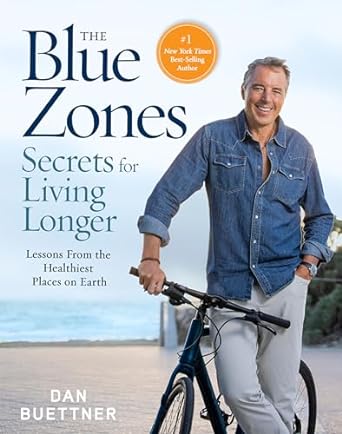
My father has always been a purpose driven man, getting his Bachelor and Masters Degree in his early 50s, while raising three children. He was a Police Officer in NYC and didn’t need to do that, but his drive pushed him to do so. My father always believed in education and building knowledge. When my mother was diagnosed with Alzheimer’s Dad’s sole purpose was to care for her. He did everything for her and treated her as if nothing had changed. When she was in a care center full time, his purpose was to be there every single day without fail and he was. See a post on his dedication here, The Notebook.

At my first session of a new six week learning program, the doctors were talking about longevity and brain health. It was stated that, research found people who had longevity, and were still cognitively sharp, engaged in common behaviors. Specifically, they engaged in physical exercise, ate more plant-centered diets and engaged their brains in complex tasks, leading a purpose driven life. When I heard that, I immediately thought of my father, who at 93 is cognitively sound.

My whole life I have taken after my father. I pray I have his longevity and cognitive health, for the women in my family have not been as lucky. My purpose, or why, is to avoid, or delay this fate. This purpose motivates me to learn, grow and move my body every day. I’ve learned that the risk of getting Alzheimer’s is not mainly driven by genetics. Approximately 3% of the total number of Alzheimer’s patients have specific genetic disease risks that cannot be avoided. Over 95% do not have that risk factor, meaning lifestyle and diet matter most in avoiding, or delaying onset of cognitive decline. (Sherazi, Dr.)

Diet and lifestyle matter, for what we do today and most importantly for our future. Here is what was shared regarding lifestyle choices for brain health and longevity.

Movement

We all should aim to move our bodies every single day for a minimum of 30 minutes. Brisk walking is highly recommended, as is tennis and racquet sports such as pickleball. The type of exercise we engage in matters. For brain health, it is recommended that we do the following:

  • Frequency – We need a regimented system of exercising, meaning organized and scheduled. Should be a minimum of 4-5 days per week for at least 30 minutes a day. Personally, I believe that brisk walks should be done daily for at least 30 minutes. The best time, in my opinion, is first thing in the morning to let the sunlight reset your circadian rhythm.
  • Strength – We lose muscle mass as we age. We need to engage in muscle-building routines, such as circuit machines, use of body weight or dumbells. We should work all the muscles in our body, but for brain health specific attention should be given to our legs. These large muscles keep us physically moving and are connected to vascular health.
  • Aerobic – We need to get our hearts pumping regularly as this increases blood flow through our bodies. Swimming, jogging or any other activity that increases your heart rate should be engaged in at least 3 times per week.
  • Consistency – This is a lifestyle, not a reach your target weight and stop. We are signing up to do this for life, as our life depends on it. I move every single day, as does my 93-year-old dad. When we stop moving, we start declining. Make a doable schedule and stick to it. I use my calendar and book it on there and I’m retired. If you are working, you will need to book this time for yourself and make it happen. For too many years, I skipped workouts. Those days are over.
  • **As with all recommendations it is imperative you speak to your health care provider about your specific abilities and limitations. Start slow and build up to these recommendations. I started with a slow walk around the block.

I’ve written many blogs on this topic if you’d like to read more, Move to Live, Healthy Lifestyle: Food, Exercise, and Joy in My Daily Routine

Lifestyle

  • Food – the research is clear that eating more plant based foods is good for our health. When my grandmother was alive, she advocated eating our fruits and vegetables, so this is not new. Processed foods need to be greatly reduced, better yet eliminated. Eat whole foods whenever possible. I eat whole food plant based and have been for six (6) months. I also do not eat any dairy products. I feel better than ever and will continue on this path. If giving up meat is not for you, you can greatly reduce your reliance on it as your main source of protein and increase your meatless days. Eat food that loves your brain, leafy greens and berries to name two. For more information on brain healthy food, see this https://www.health.harvard.edu/healthbeat/foods-linked-to-better-brainpower. Past blogs on my food choices – Change Our Thinking About Food, Eat to Live
  • Socialization – Far too many elderly people become isolated, due to various reasons. Ensure you have systems to keep you engaged with others built into your retirement plans. That is the main reason my husband and I moved when we retired. We loved our home, but knew the challenges to stay fully engaged and active would cause too much time alone at home. We had friends, but they were working still and to do anything, we would have had to constantly leave our area. We now have a full array of things to do right here in our community. Join a club, or senior center if you do not. Like my dad, who never wanted to join one, it gives him something to do each day and he’s around people. Isolation is not good for our brains.
  • Sleep -Quality sleep is one of the most critical aspects of our health. It is when our body rests, recharges and when our brain organizes and cleans out waste. Many people struggle to get fully restorative sleep, myself included. I am doing much better these days. I went into greater detail about getting quality sleep in the blog post – Sweet Dreams. I highly recommend you read it and work on your sleep, your life and brain health depend on it.
  • Stress – Stress almost killed me and it destroyed my health, no doubt about it. It takes a huge toll on us emotionally, physically and healthwise. We need to reduce our stress. Exercise, yoga, meditation and mindfulness all help. I wrote about these in great detail in these posts – Finding Myself, Just Breathe

Purpose

Some studies suggest that having a sense of purpose in life can be associated with increased longevity and a healthier life. A 2019 Harvard Health study found that people with a higher sense of purpose were less likely to die during a four-year study period, and less likely to die from heart, circulatory, or blood conditions. A 2022 study of older adults in the United States found that people with the strongest sense of purpose had a 15.2% lower risk of death, and that this association was stronger in women than men. 

I recommend your purpose be grounded in your why. Why do you want to be healthy? Why does this matter? Why do you get up each day? This will serve to motivate you to keep going when the going is tough. Believe me, my why keeps me focused and working toward my goal. It matters to me. Find what you are trying to achieve and ask why. Frame your decisions around that why.

I love learning and was an educator my whole career. I have been keeping my brain active in retirement, taking courses, along with completing my yoga certification. I am cooking in different ways now and needed to learn how to do that as well. All of the courses I’ve taken were connected to my why – to live a long, healthy, active life and keep my memories. I do not want to be a burden to my family, nor do I want them to watch me slip away, as my mother and grandmother did. I hope you will find your why and join me on this journey to reclaim your health.

I’d love to hear from you about your journey. Feel free to reach out to me via email at laurakump@reclaiminghealth.blog. You can find me on Instagram and Facebook as well, or just leave a comment below.

The China Study: Reducing Health Risks with a Plant-Based Diet

In the next ten years, one of the things you’re bound to hear is that animal protein is one of the most toxic nutrients of all that can be considered. Quite simply, the more you substitute plant foods for animal foods, the healthier you are likely to be. – T. Colin Campbell

Recently, I overheard someone giving out health advice following a game of pickleball. It went something like this, “It’s easy to lose weight, if you want to. I’ll tell you what I did, I eat a lot of olive oil, eggs, meat and fruits and vegetables for snacks.” He then went on to talk about how he puts olive oil on his food because it’s so healthy, and eats meat because he needs a lot of protein and eggs for breakfast every morning. Basically, he was describing a low carbohydrate approach to losing weight, while consuming large amounts of protein and dairy foods. I believe some would call it a Paleo diet.

I happened to be standing there when the conversation occurred. I leaned in and suggested he do some research on the effects of consuming large amounts of dairy and animal protein. His response was, “You can’t get fat by eating meat.” Perhaps that statement has some truth to it, depending largely on the quality and quantity of meat products he is consuming. Sadly, though health is way more than just about being thin or fat. His habit of consuming meat products as a main source of protein, coupled with eggs daily, is setting him up for potential health risk of heart disease, diabetes or cancer. I did suggest he speak with his cardiologist, or a registered dietician, to help him craft a well balanced nutritional plan that meets his specific needs.

So many of us have bought into the food industries ideal of what and how to eat, or not eat, to become thin. Focusing on weight loss, to look a certain way, has certainly led me down many paths in my life. Keto, fasting, shakes and skipping meals, all focused toward reducing the number on my scale had no real impact on my overall health. I used to think thin people were inherently healthy, but I now know that our size doesn’t truly give the full picture of our actual health. Ever hear the term skinny fat?

China Study

When it comes to our health, the association between diet and other diseases such as diabetes and cardiovascular disease has been well documented. For example, the China Project is a survey of death rates for twelve different kinds of cancer for more than 2,400 counties and 880 million (96%) of China’s citizens, conducted jointly by Cornell University, Oxford University, and the Chinese Academy of Preventive Medicine over the course of twenty years.

Dr. T. Colin Cambell, author of The China Study, examined the connection between eating an animal-based diet and developing illnesses such as breast cancer, prostate cancer, colon cancer, diabetes, heart disease, obesity, autoimmune disease, brain disease such as Alzheimer’s and macular degeneration. His study concluded that diets high in protein, particularly animal protein, are strongly linked to diseases such as heart disease, cancer and Type 2 diabetes. Further, he states, “the findings from the China Study indicate that the lower the percentage of animal-based foods that are consumed, the greater the health benefits—even when that percentage declines from 10% to 0% of calories. So it’s not unreasonable to assume that the optimum percentage of animal-based products is zero, at least for anyone with a predisposition for a degenerative disease.”

For me, the idea that stood out the most was Dr. Campbell’s suggestion that the over consumption of protein-rich, animal-based foods is the real culprit of disease. This was what pushed me to finally make the commitment to living a fully plant based life.

Next Steps in Response

The science and research are pretty clear, in both the China Study and the Blue Zone study. You can dramatically reduce your risk of cancer, heart disease, and diabetes and increase your chances for longevity, just by changing your diet. Both of these studies advocated specific changes we can make to increase our health benefits. Personally, I have a predisposition for Alzheimer’s disease, as the women in my family have suffered from it. If making dietary changes gives me a better shot at avoiding, or delaying this fate, I am all in. Here are the next nutritional steps I would recommend to anyone wanting to take action based on these two studies.

  • Reduce, or eliminate animal products – I am fully eating whole food plant based for six (6) months now. That is what I felt I needed to do, based on my current health and familial health history. If you are not ready for that, consider at least drastically eliminating the amount of animal proteins you consume. You really don’t need to eat meat. Despite popular belief, you can get all the protein, fiber, vitamins and minerals you need from plants. Even if you are a serious athlete, you can perform at high levels while living a plant based lifestyle. Venus Williams, Cam Newton and many other athletes have shared their personal experiences with plant based diets.
  • Ensure variety and balance in food choice – I am committed to eating a variety of fruits, vegetables, grains and legumes each week. I east seasonal foods whenever possible and rotate through a variety of choices each week. I try to eat a minimum of 30 different types of plant foods each week, which is truly not hard to do at all. Eat the rainbow as they say. This variety helps keep our gut healthy and has a strong impact on our health. I shared more about this in a previous post Healthy Lifestyle: Food, Exercise, and Joy in My Daily Routine.
  • Increase fiber intake – I am very conscious of the body’s need for high fiber intakes and seek to eat a bare minimum of 30 grams a day. Ideally, I’d like to get closer to 50. Fiber is a critical component of any healthy diet plan and needed for optimal gut health. I share more about fiber in a past post Fiber Fueled. I get my fiber from my food choice, not in a bottle, though if needed there are supplements out there to at least get you started. Before taking anything, please speak to your health professional.
  • Eliminate intake of dairy products – I do not eat any dairy products at all. According to the China Study, there is a link between casein and cancer. I feel much less bloated without dairy products and believe my sleep has improved as well. Cheese is always the hardest to give up, but feeling well matters more to me than eating cheese. If you are not ready to give it up, perhaps you can cut back and make healthier choices when selecting cheeses to consume.

It wasn’t an easy shift to a whole food plant based eating, mainly because I didn’t know what to eat. My best advice is to focus on one meal at a time and give yourself grace as you go. I went cold turkey, but think it’s best to change one meal at a time. Take some time to eat a plant based breakfast each day for a week. Then change your lunch selections the next week. Lastly, rework your dinner. Another idea, if you just want to reduce your intake of animal products would be to implement meatless days into your week. Many people have meatless Monday on their dinner rotation. The China Study concluded that even a reduction of animal protein intake could improve health outcomes, so begin to rework some of your meals to get started. I shared some other ideas in these past posts you may want to read Change Our Thinking About Food, Eat to Live, Cooking to Nourish Your Mind, Body & Soul.

Conclusions

For me, this journey is truly a personal one, a promise I made to myself during the long goodbye said to my mother. As I watched her slip away, I vowed to try anything that would avoid having my children go through this painful existence. Losing a loved one is always hard, but losing them, while they are still here is even harder. Ronald Reagan called it, the long goodbye, in the letter he wrote when sharing his Alzheimer’s diagnosis. That is surely was. You can read more about my mother in these posts I’ve shared The Notebook and The Long Goodbye.

If you wish to read more about my personal transformative journey, I shared information in this post IRAH: Individual Retirement Account for Health – A Personal Transformation Journey.

I hope you will consider starting a personal journey for yourself to reclaim, or improve your health. It all starts with nutrition and what we eat. I hope you will reflect on your food choices and see what impact they are having on your current health. If you have any questions about any of my posts, feel free to reach out to me at laurakump@reclaiminghealth.blog, on Instagram or Facebook, or in the comment section below.

*This post may contain affiliate links for your convenience. As an Amazon associate, I may receive a small commission, at no additional cost to you. This helps me offset the cost of running this blog and I only recommend items I use and love. Thank you for your support.

Healthy Lifestyle: Food, Exercise, and Joy in My Daily Routine

“Health isn’t about being “perfect” with food or exercise or herbs. Health is about balancing those things with your desires. It’s about nourishing your spirit as well as your body.”
Golda Poretsky

Many have asked me about what I eat, how much I exercise, how many days I work out and other questions about my daily life. This week, I’d like to share what a typical day looks like for me. I am not a medical doctor, nor am I am I advocating you eat what I do. I am merely sharing my routine, in the hope you reflect on yours and consider ways to ensure you are setting yourself up to live a long and healthy life. As wellness is truly a personal journey, we all need to find what works for our lives and our bodies. This is what works for me, after many years of trying and failing.

Food

As you know, I eat whole food plant based, dairy and oil free. Many have asked me how this is different from vegan. The simple answer is that vegan is a lifestyle choice based on personal beliefs regarding animal cruelty, the environment, health and can include processed foods. Most vegans do not purchase any products, including clothing and shoes made from animals. Whole Food Plant Based is a lifestyle choice based on health and wellness and centers around food choices. It also includes wanting to protect animals and the environment, but does not include processed foods. I am sure there are other areas to include in the difference, but that’s my short answer.

I try to eat a minimum of 30 different plants across the week. It’s not hard to do at all as you’ll see in my sample day. The trick is to eat a variety of plants and fruits, or eat the rainbow of colors. Variety is key to a healthy gut, so don’t just eat the same foods day after day. For example, if you eat baby spinach, don’t use it in the smoothie, salad and at dinner. There are so many other greens that have great benefits for your wellness. Here’s a sample day for me:

  • Breakfast – I like to make a smoothie most mornings, as it’s easy and helps ensure I get extra plants in. Today I had, almond milk, kale, red beet, kiwi, date, blueberry, hemp seed, chia seed, flaxseed, cinnamon, avocado, organic pea protein (11 plants)
  • Snack – I don’t always have snacks as the shake keeps me full. Sample snack, 1/2 banana and walnuts, or hummus and vegetable sticks, any fruits with almond milk yogurt.
  • Lunch – I eat my dinner at lunchtime, whenever possible. Yesterday, we had leftovers – Basil Pesto over pasta with broccoli, roasted tomatoes and tofu. The pasta was whole wheat, high fiber fettuccine. (4 plants)
  • Dinner – I generally eat a light dinner. If I didn’t have a smoothie for breakfast, I will have it for dinner. Otherwise, I eat a big salad bowl full of plants, or a soup. Yesterday, I had a big salad bowl of arugula, baby spinach, strawberries, pumpkin seeds, mini peppers (red, yellow, orange) and cucumbers. (8 plants) (23 total plants for day)

Eating the main meal earlier in the day helps my digestion and improves my sleep patterns for the night. It also aligns with the rhythm of the day better as in the evening the body is preparing to slow down for rest. When I was working, this involved packing my main meal to eat at work, or ordering food in to eat. It can be done, but requires better planning. I included plant counts merely to show how easy it would be to eat 30 plants across your week. I’ve already had 23 in one day. For me, the key was ensuring I was getting a variety of plants. This led me to stop buying food in bulk. Buying everything in bulk may be more cost effective, but that sets me up to eat the same fruits and vegetables every day. Since, I am seeking variety, I buy the smaller packages now and vary what I eat daily. This also keeps the food more interesting.

If you want to read more about my eating, consider reading these posts I’ve shared – Change Our Thinking About Food, Fork Power, Cooking to Nourish Your Mind, Body & Soul, Cookbook Recommendations

Exercise

  • Walking – When I started this journey, I had difficulty walking around the block! Walking was my go to exercise and one I still incorporate into my day, every day. Walking doesn’t require a gym membership and can be done alone, or with a friend. I tend to prefer to walk alone, but do bring my dog with me on my daily walks. I walk every single day, regardless of the weather, for a minimum of 30 minutes. This, for me, is about 1.5 miles of distance. I walk outside in nature, as I want the added benefits that provides. Walking in nature is great for your mental wellness, so please if you can avoid the treadmill, you may find you enjoy walking more than you thought.
  • Pickleball -I play pickleball at least 4 days a week, sometimes more during the season. It’s a great form of aerobic exercise and I truly love the social connections I’ve made.
  • Yoga – I practice yoga 2-3 days a week both in studio and at home. This keeps me flexible and is also great for my mental wellness.
  • Weight Training – I try to lift weights, or use the machines at the gym at least 1-2 times a week.

I highly recommend finding a group sport you enjoy and adding it to your week. There are many elderly people out there on pickleball courts across our country. At my indoor facility, we have an 82 year old woman who plays to win daily. Yoga is also for every body and can be modified to meet you where you are. The benefits are many and I do believe you will come to love how you feel in a very short time. Lastly, I am an early riser, so much of the gym, sports and yoga occur before lunch daily. Walking happens after lunch, or dinner. Like food we eat, I believe we benefit from engaging in a variety of exercise. I have shared more about my exercise in prior posts found here Move to Live, Svadhyaya – Study of Self,

Finding Joy

For me, this journey is about finding myself, my health and above all joy. For far too long, I focused too heavily on counting calories and stressed myself out. Life is not meant to be lived that way and honestly, I was never successful with that approach. Counting plants, something I mentioned above, is something I did in the first week of eating whole food plant based. Once I realized how simple it was, I’ve not counted again. It is something you need to stress over if you eat whole food plant based meals, unless you have a specific health issue. Nothing to count, not calories, macros, micros or anything else. Just eat whole foods and ensure you eat a variety of plants and fruits. I feel healthier than I have in years, perhaps decades. I’ve shared so many posts about my journey, on my blog over the years. I hope you’ll take some time to revisit these most recent posts – Try Something New, IRAH: Individual Retirement Account for Health – A Personal Transformation Journey, Stress, Eat to Live, The Compound Effect, Hold On

I hope this helps to give you an idea of my daily life. If you take time to visit some of the links I’ve shared to prior posts, perhaps you’ll find information on areas that interest you. I am so excited to have made it out of the winter weighing less than I did going into it. Generally, in the past, I gained weight and lost motivation over the winter months, leaving me to have to start over. This year, I’m heading into the summer stronger than ever and looking forward to continued health improvements. I truly hope you will join me. I am available to discuss your current questions, ideas and needs. Feel free to reach out to me at laurakump@reclaiminghealth.blog, on Instagram or Facebook, or in the comment section below. Thanks for reading and have a great and healthy week.

Mother’s Whisper

Your mother is always with you…
She’s the whisper of the leaves
as you walk down the street.
She’s the cool hand on your brow
when you’re not well.
Your mother lives inside your laughter.
She’s crystallized in every tear drop.
She’s the place you came from,
your first home…
She’s the map you follow
with every step that you take.
She’s your first love
and your first heart break…
and nothing on earth can separate you.
Not time, Not space
Not even death
will ever separate you
from your mothe
You carry her inside of you

-Deborah Culver

Mother’s Day is rapidly approaching, I felt it long before I knew the actual date. Missing my mother is something I’ve grown into, but not something I adjust to. I know how much I was loved, but felt ill prepared for the day I’d go on without her. Yet, here I am four years into this journey.

I’m a very nostalgic person at my core. I have strong memories that live inside me and I try to share them here on this blog, especially in my older cooking posts. Here is one such example, Isn’t it Ironic. Or, This is Us which talks about holding on to those items that have memories connected to them. Finally, my Mother’s Day post from back in 2018. Not much has changed, except I won’t be serving meat based meatballs this year. I do have a nice vegan version of meatballs to serve over zucchini noodles though.

I’ve learned along the way, that the best gift to give, or receive, is the gift of time. Spending time together means more to me than any flowers you send, though I love flowers. I do, however, love giving and receiving gifts that carry special meaning and memories. When it comes to Mother’s Day gifts, I always tried to attach that sentimentality to my selections. These are a few of the things I’ve been looking at for myself this year, all connected to family traditions, memories and of course, health.

*I only share things I personally love, whenever sharing items, and if you purchase through these links, there is no additional costs incurred to you. I may receive a small compensation from Amazon, which offsets the costs of running my blog, so thank you for your support.

Mother’s Day Gift Guide 2024

A Loving Table:Creating Memorable Gatherings, Kimberly Whitman
A truly stunning coffee table book that carries such a beautiful testament to family traditions. Beautiful photographs and words, take us on a journey. Inspiring tables and entertaining styles of 34 tastemakers in their regions or society at large show how they keep traditions passed down from mothers and grandmothers alive in their families. Each style maker shares tips and lessons in entertaining that she learned from the women in her life. Tip boxes from each generation will help the readers learn from them and use their ideas, or even better create their own traditions. This book pulled at me from the start, but the fact it was published on my birthday, made me feel all the more connected.

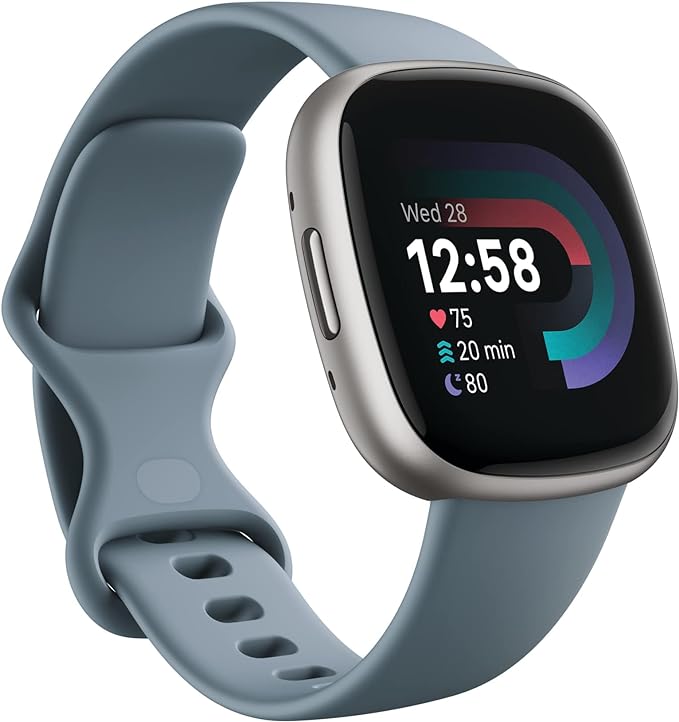
Fitbit Versa 4 Fitness Smartwatch with Daily Readiness, GPS, 24/7 Heart Rate, 40+ Exercise Modes, Sleep Tracking and more
I’ve been wearing my Fitbit for years and truly think it is the best gift of health you can give to anyone in your life. What get’s measured, gets improved and this watch allows me to measure my daily activity, heart rate and more. The most important measurement for my health journey has been my sleep tracking. I have really improved my sleep through awareness. I have written about the importance of sleep on my blog several times. Consider visiting one of these posts to learn more – Sweet Dreams and Sleep Your Secret Weapon.

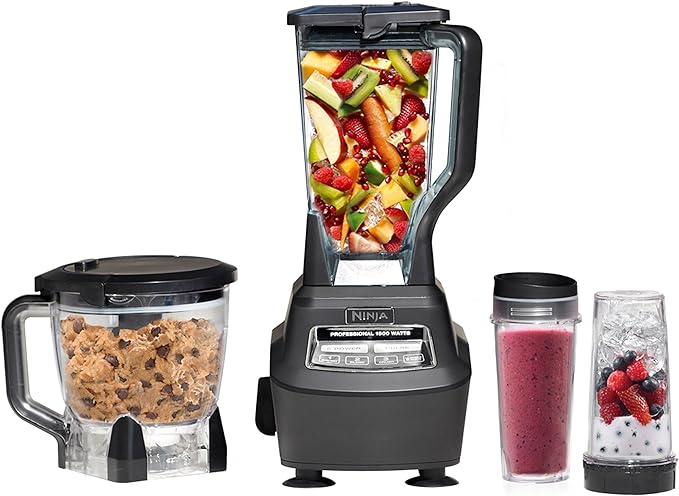
Ninja BL770 Mega Kitchen System, 1500W, 4 Functions for Smoothies, Processing, Dough, Drinks & More

I love this system so much, I’ve bought it twice. It was the first thing I purchased when I moved to my new home and I gifted one to my daughter in law. It’s truly the best gift you can give, or get, this Mother’s Day. It is a key component of my cooking and healthy lifestyle and one I use daily. I make morning smoothies, full of healthy vegetables and fruit to start my day off strong and I use the food processor almost daily to prepare my plant based recipes. I’ve had an expensive Vitamix, but the ease of use and especially cleaning of this machine makes it the winner, hands down! It is a must have for any home cook in your life.

Maman and Me: Recipes from Our Iranian American Family by Roya Shariat and Gita Sadeh
This is on my personal gift list this year, so I hope my family is reading. A gorgeous cookbook filled with 78 delicious cook-at-home Iranian American recipes from a mother and daughter. The authors welcome you into their home, as they share their family recipes that include soups and stews, main dishes, desserts, beverages, and so much more. The book takes a unique approach to Iranian cuisine, with recipes and twists that celebrate the evolution of Iranian food in America. I have been expanding my cooking repertoire to include more international recipes and this book looks so exciting. I cannot wait to try the garlicky eggplant dip!

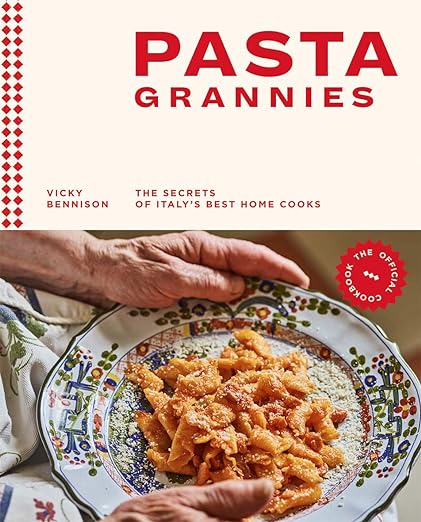
Pasta Grannies: The Official Cookbook: The Secrets of Italy’s Best Home Cooks
In NYC, we often ate at a beautiful restaurant called, Nonnas. The chefs rotated and were all Nonnas from different regions. There is a Youtube channel put out by the Nonnas in this book. I highly recommend you check them out and this book as well. I mean, who doesn’t love pasta? I love making homemade pasta for my family. Fresh ingredients and homemade are so much healthier than processed pasta offerings in boxes at supermarkets. Give it a try, even if you limit your pasta indulgence, you’ll be glad you did.

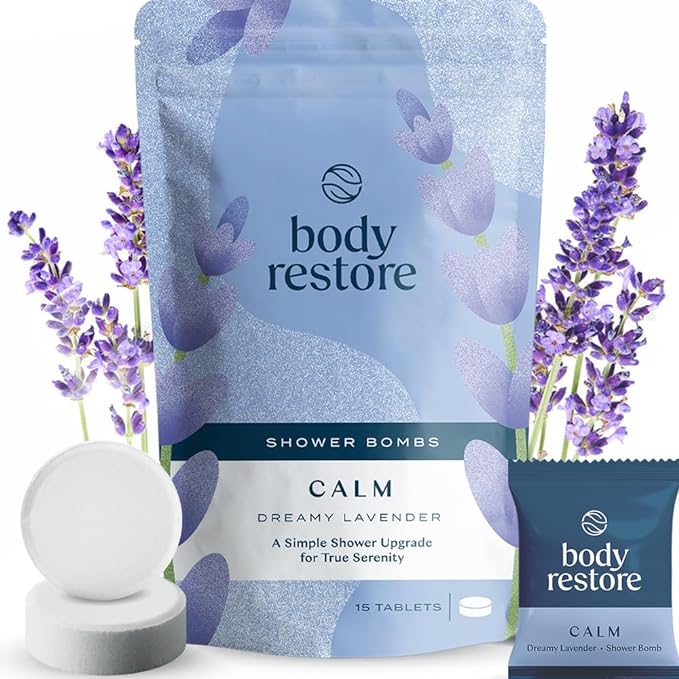
Body Restore Shower Steamers Aromatherapy 15 Packs – Stress Relief and Effortless Self Care, Lavender Bath Bombs

I love these shower steamers and bath bombs, especially as a way to end the day. Totally relaxing and feels so comforting. Cannot go wrong with this gift for anyone in your life, for any gift event.

I hope you enjoy shopping for those you love as much as I do. I am honored to share my journey with you all and hope you get what you most want this year, health and happiness. In life, there is no gift we need more than that. I’ll close with a loving kindness meditation poem and hope it brings you joy this Mother’s Day.

May you be safe.
May you be happy.
May you be healthy.
May you live with ease.

As always, feel free to reach out anytime. I love hearing about your journeys. You can contact me via email at laurakump@reclaiminghealth.blog, or on Instagram or Facebook.

Move to Live

“…but I now consider exercise to be the most potent longevity “drug” in our arsenal, in terms of lifespan and healthspan. The data are unambiguous: exercise not only delays actual death but also prevents both cognitive and physical decline, better than any other intervention.”
― Peter Attia, Outlive: The Science and Art of Longevity

When I was an educator, we had an initiative called, Move to Improve that was instituted by the city as a means to draw attention to health and wellness. The main focus was on the benefits of exercise to student health and its connection to improved learning. When I think of moving these days, my focus is still on the connection of exercise to my overall wellness, but also am focused on healthy longevity. Nutrition is often thought of as the most important of the health pillars, however, movement could actually be far more important. Dr William Sears, lists movement as a key component in his pillars for healthy living and states, “sit less, move more, live longer“.

Doing less sitting and moving more, can be tied to living longer. Replacing 30 minutes per day of sedentary time with 30 minutes of physical activity at a light intensity was associated with a 17% lower risk of early death in a study published in the American Journal of Epidemiology. Thirty minutes (30) would be your minimum movement per day and is a good starting point for many beginning a health journey, after long periods of being sedentary. It can be an simple as a 30 minute walk per day to begin. It is where I began my journey as well, and a commitment I made to myself, that no matter what the day brings, I would get at least a 30 minute walk every day outside in nature. I have kept this promise to myself for over a year now and it has had a huge impact on both my physical and emotional wellness.

Obviously, the hope is that you continue to increase your movement as you feel healthier and more able. I will share my journey to increase movement over the past year below. I would caution you to ease into any new routine and always have a physical with your medical professional before staring any exercise program.

Walking

Terribly out of shape, this former long distance runner needed to start slowly after a year and a half of not moving following a running injury. I made a commitment to myself to walk AT LEAST 30 minutes outside in nature every day. I simply walked my dog for 30 minutes every day. Being outside in nature is great for mental wellness, so please do leave the headsets home and enjoy the sights and sounds.

Tracking Movement

I’ve shared before that I wear a Fitbit tracker on my wrist every day. I now shoot for 10,000 steps each day, but when I started out I shot for 5,000, then increased to 8,000. It’s best to set goals that you will meet at first, because that will motivate you to continue. The tracker counts all movement, so even just walking in your house will get you credit. I never realized how sedentary I truly was until I wore the tracker. The one I linked is currently on a great sale now at Amazon at 25% off. I also wear this to bed to track my sleep (see my post on sleep here) every night, so it’s a win win device for wellness.

Yoga

I was far away from the shape I was in when I used to do daily power yoga classes, but that was just fine. I returned to my yoga practice, taking it slowly. I started out with very gentle Hatha yoga classes, which involved seated poses and stretching of muscles. As I improved, I moved to gentle flow classes and gradually increased the difficulty. Yoga is truly a key to my overall wellness program. It keeps my muscles supple, strengthens, improves breathing through breath work and improves my emotional wellness. I highly recommend yoga to anyone seeking to improve their wellness. It is accessible to any one, as you can modify it to suit your body. You can even take a chair yoga class when starting. Don’t hesitate to take yoga, you don’t have to be “fit” to start, just start. (Read my post on yoga here.)

Strength Training

As we age we lose muscle mass, strength and function, starting as young as 30 years old. The good news is that we can offset these loses through strength training. You don’t have to join Crossfit to build muscle, though it is a fabulous workout. Light weights, body weight movements, or use of circuit machines are a great option to add into your wellness routine. I try to do light weight training, combined with body weight exercises at least 2x a week. I did not start this immediately when returning to exercise, rather, when I felt ready, added it in. I use light dumbells, the Smith machine barbell at the gym, push ups and hanging pull ups mainly in my current routine. Start with a 3 pound dumbell and work your way up from there.

Aerobic Exercise

In order to improve fitness, strength, stamina, mood and cardiovascular health, I worked my way back to including aerobic exercise in my weekly exercise routine. It took me several months to get there, as I slowly increased my readiness. I love playing pickball and play at least 3 times each week, year round. I would love to get back to running regularly, but will never run long distance again. It’s just not necessary. I have been running one mile occasionally and it does feel good. Building our aerobic capacity is an important component of your wellness journey, so begin to think about what you enjoy doing. There are many options including, swimming, biking, interval training, running, tennis, pickleball, etc.

Balance

Balance is key. Do not overdo fitness, especially at first. Remember, we are in this for the long term, quite literally. Make a plan for your week and ensure you include rest days. That doesn’t mean you are sedentary, you still should have at least 30 minutes of movement. Remember walking is the easiest and most powerful tool in your fitness regime.

In his book, Outlive:The Art and Science of Longevity, Peter Attia, MD provides us with a guide to understanding why and what we should be doing to potentially offset chronic disease and live a longer and healthier life. He writes and explains in quite clear and understandable language. I am truly grateful to have come across this book and thoroughly enjoyed reading it. I highly recommend you become more informed about aging and longevity, even if you are under 30. It is critical to understand that the choices we make have implications on us in the future. Changing our stance from treating illnesses we develop later in life, to living better now to prevent their development will serve us all well. I for one have been on this path for quite some time now and am still far from an expert. I am just living my best life and planning for my future self. I hope you’ll take the time out to read this book, but if not, I hope you’ll take time out to reexamine your daily movement and exercise routines. Your future self will thank you, as will your family who will enjoy more quality time spent with you.

If you have any questions, or comments about my blog, please do feel free to reach out to me at laurakump@reclaiminghealth.blog, on Instagram, Facebook, or in the comment section below.

*As an Amazon associate, I may receive compensation for any of the links I have provided. This helps offset the cost of running my blog, so I thank you in advance.