Reclaiming Health: How Alzheimer’s Shaped My Wellness Journey

Your mother is always with you…
She’s the whisper of the leaves
as you walk down the street.
She’s the cool hand on your brow
when you’re not well.
Your mother lives inside your laughter.
She’s crystallized in every tear drop.
She’s the place you came from,
your first home…
She’s the map you follow
with every step that you take.
She’s your first love
and your first heart break…
and nothing on earth can separate you.
Not time, Not space
Not even death
will ever separate you
from your mother
You carry her inside of you

-Deborah Culver

I have many new followers and subscribers and thought it was a good time to introduce Reclaiming Health Blog. This is not a money making blog, rather it is a labor of love. I find it very therapeutic to write and document my wellness journey. The road traveled is not always easy, as long time readers know, but the will is strong. I’m thankful to those who are here and would love to hear about they why behind your wellness journey.

In this post, I will discuss my why. We all arrive to the wellness journey at different points in our lives. My why was cultivated as I slowly lost my mother on her Alzheimer’s journey. I made a vow then that I would do anything I could to not have my children take that same walk with me. I’m on a mission to reclaim my health, hence the title of the blog. ReclaimingHealthBlog.com, is a space in which I share my journey with others. It allows me to interact with others and also hold myself accountable to the work, but how did I get here?

When I had my last running injury, my mother was well into her Alzheimer’s journey. I sustained a torn tendon that required surgery. Following surgery, I was on crutches and unable to walk. I remember being in a lot of pain as well. My dad brought my mom out to my house to visit me as I couldn’t drive to them. I remember trying to get up to get something and feeling pain. My mother, who was mostly nonverbal at this point, suddenly jumped up from the couch and said, “Can I help you?” It was such a profound moment with her and reassured me that her love was still strong, despite this cruel and heartless disease.

The day I went into the hospital for surgery, I remember sobbing and saying this was the first time in my life that my mother wouldn’t be able to comfort me. I felt her loss so deeply. Alzheimer’s is one of the hardest journeys to witness, and sadly I’ve witnessed it twice. As a young newly married mother, I watched my grandmother fade away. Then, a mere 30 years later I was watching the same happen with my mother. It was at that point, I began to realize I could be next.

This realization has been the driving force behind this blog and my health journey. I have read, studied and learned that there are ways I can possibly reduce my risk for getting Alzheimer’s. I’ve learned that what I once thought was a disease of pure genetics, can actually be delayed or avoided through lifestyle changes. If there is even a small chance I can avoid this fate, why wouldn’t I try? What have I got to lose?

Watching my mother leave was very painful for our family. She was an amazing mother, wife and friend. When one progresses through this disease, they lose their memories and then their voice. My mother was physically there, but she was gone at the same time. She didn’t recognize any of us and couldn’t communicate. I didn’t get to hear her voice for her last 5 years with us. Truly this was a long goodbye.

When I sat at the care center with my family during those last years, I often left sobbing. It was so sad to see so many people living with Alzheimer’s. It was then that I began reading, researching and learning everything I could about this disease. I made a vow to my mother and myself that I would do whatever I could to live a brain healthy lifestyle.

Sadly, my story is not unique. In the United States, an estimated 500,000 new cases of Alzheimer’s disease are diagnosed each year. In fact, Alzheimer’s is the fifth-leading cause of death among Americans age 65 and older. In 2023, an estimated 6.7 million Americans are living with Alzheimer’s disease. These statistics are staggering. In my family alone, we lost my grandmother, mother and father in law to Alzheimer’s.

After attending the 2024 Food Revolution Docuseries, I realized there was hope.It was the first time I heard talk about prevention, and that that should be more of the focus. I’d long been following work done to find a cure and each time a trial failed, I’d feel helpless. Hearing that lifestyle and nutritional changes can have an impact, gave me renewed hope. This learning has fueled me to live better and share my experience through this blog.

I do not have all the answers and I am not a doctor. I know what resonates with me and am trying my best to continue to learn and grow. I believe the research that says nutrition and lifestyle can prevent Alzheimer’s in some cases. I am hopeful that I am one of those cases. I plan to continue to attend seminars and take courses to learn more about brain health.

I’ve written blog posts that share my learning and specific actions taken, and will continue to do so. Generally, I post one blog per week.

Posts I’ve Written About My Brain Health Journey:

Fork Power

Longevity and Brain Health: Lessons from My 93-Year-Old Father

The China Study: Reducing Health Risks with a Plant-Based Diet

IRAH: Individual Retirement Account for Health – A Personal Transformation Journey

My Mother’s Story:

I wrote this post just after my mother died. It’s a very personal piece.

The Notebook

Resources to Learn About Brain Health:

I took a course recently with  Dr. Dean and Dr. Ayesha Sherzai, co-directors of the Brain Health and Alzheimer’s Prevention Program at Loma Linda University Health. Through their research, they have found that lifestyle choices can have a long-term impact on brain health.  You can read more about the work being done at Loma Linda Memory Center at the links below:

https://lluh.org/neurology/our-services/memory-center

https://news.llu.edu/health-wellness/fight-against-alzheimers

I’ve also taken courses and attended the 2024 Food Revolution docuseries. You can visit their site at the link below:

https://foodrevolution.org/

Next Steps:

My next steps are always evolving as I learn and grow. I plan to continue on my whole food plant based journey and definitely notice improvement in how I feel. I am working with a Registered Dietitian who specializes in plant based lifestyles, to ensure that I get the right nutritional balance in my meals. I continue to follow up with blood work periodically and am due to have testing done this month. I also continue to spend as much time as I can with my children making beautiful memories, which I plan to keep.

If you are on a similar path, or have information to share on this topic, please reach out to me in the comment section below. I look forward to hearing from you and continuing this journey to wellness together.
Embracing Personal Accountability for a Healthier, Fulfilled Life

“Personal accountability requires mindfulness, acceptance, honesty and courage.” – Shelby Martin

Personal success can be achieved through taking accountability for our actions. This shift takes time and is one I’ve embraced on this health journey. It’s also one I hadn’t embraced in the past.  It’s hard to come to terms with the reality that you and you alone are responsible for the decisions you make each day, but personal accountability is the key to living a healthy, fulfilled, and meaningful life. Even though it can be challenging, accepting personal accountability will enable you to learn from mistakes and make adjustments to your journey.

Our consistency and day to day life decisions play a huge role in the progress we make and results we achieve. Believe me, I know it feels better to blame work stress, genetics, health or other outside reasons for my failure to make progress. Blaming others or making excuses can lead to giving up when things get hard. There are certainly cases where outside factors are a key reason one is not achieving results, despite putting in the work. I would never want to minimize that, but, today I’d like to talk about accepting personal accountability for your health journey.

My Journey

I’ve been on this health journey for what feels like a lifetime. I’ve honestly tried everything there was to try. I worked with countless nutritionists who wanted to sell me endless products. Everyone seemed to have their own angle on what I needed to do. I would try what they said, not see results fast enough and give up, then blame them. I believed every advertisement I saw that spoke to those who haven’t had results, but would if they only tried their new approach. I worked out endlessly, ate clean and couldn’t seem to ever stay on track. It wasn’t until I shifted my mindset from doing what someone else said I needed to do, to taking control over my own journey, that I began to have success.

Think about this, every single decision you make in a day is in your own hands. I decide every day whether I will sleep in, get up, work out, eat out or cook. I needed to accept responsibility for the decisions I made. Recognizing and honoring this was a necessary first step toward making lasting changes in my health. It was also a powerful tool toward changing unwanted behaviors and ways of thinking about myself.

Many of us spend our days drowning in negative self talk, blame and procrastination. On this journey toward reclaiming our health, we first need to address the elephant in the room – blame and excuses. Yes, it is far easier to say I’m still overweight because I’m a middle aged woman, or my parents were overweight, or, or, or. Accepting these excuses and reasons for our struggle can lead us to accepting where we are, giving up on trying to change our way of life. I know this first hand, as I had given up on even trying. I began to accept that this was just how I was going to be.

Personal Accountability

Personal accountability is the practice of accepting responsibility for your actions, words, and behaviors, and the consequences that result. It involves taking ownership of situations, and doing your best to improve, whether the outcome is good or bad. People who are personally accountable don’t blame others or make excuses, and they try to make amends when things go wrong.

Personal accountability does not mean we place blame, or shame on ourselves. Rather, it is meant to be a means to accept that despite where you are right now on your health journey, including the reasons for being there, you have the power and responsibility to improve your health and make lasting changes.

Roadblocks

Two of the most common reasons for not achieving our goals can be tied to lack of consistency and not having a strong enough purpose – your why.

Consistency:

I’ve written about the importance of consistency on your health journey. This blog is worth your read – The Compound Effect. Consistency is your super power. Quite simply, the small decisions and moves you make over time will determine your rates of success. It’s a lifestyle, not a diet or program.

This hit home for me once when a doctor asked me about my activity levels. I replied that, I run 3 miles most mornings, swim other mornings and ride my bicycle. She said that’s a great way to start your day, but what do you do for the rest of the day? I had to pause and think. I often sat and read, worked on the computer, binged Netflix, etc. Most of my activity for the day was completed by 10:00 AM each day, leaving me feeling like I had put the work in. Sadly, I was thinking of exercise as something I needed to get done.

Exercise is part of an active lifestyle, not something you do to check off a box on your daily list. The more you move, the healthier you will be. I now move throughout my day, not just in the morning. For example, I take a brisk walk when I wake each morning for about 30 minutes, about 1 mile. I then often relax and have breakfast. A few hours later, I head down to the pickleball courts and play games or practice for about 2 hours. I then cook our main meal of the day and we eat lunch. I relax, do some reading, or computer work and then take my afternoon walk, about 1.5 miles. When I return, I either go down to the pool, or go into town to the beach area. We have a light dinner and I walk with the dog for a bit to end the day. Then it’s either relaxing evening home, or we go out. As you can see, I am moving all throughout the day. You can change the walking to bike riding in the nicer weather, or yoga for pickleball. Honestly, it doesn’t matter what you do, as long as you are consistently moving your body.

Purpose:

MY WHY -Having  strong reasons for getting healthy can help improve your focus and drive. Losing weight for a special event, while motivating in the short term, won’t sustain you over the long haul. Generally after the event is over, so is your motivation and drive to continue. Further, we often feel we have achieved our goal and begin slowly to loosen up on our decisions.

Center your purpose around longer term goals to keep you grounded when the going gets tough. In my case, my why is to maintain optimum health as I move into the next phase of my life. When I declare my why I say, “I WILL hold on to my memory and live a long, active life.”    This is my motivation and my drive.  It pushes me out of bed when I don’t want to get up and exercise.  It pushes me to think about what I am putting in my mouth.  It helps me hold on to the gains I’ve made these past years and continuously pushes me forward. It helps me not stray far off the path, even though there are bumps along the way.

Next Steps

Success on this journey will require action. This action includes accepting personal responsibility and not allowing yourself to make excuses when you fail to follow through

Here are a few of the ways I have been holding myself accountable.

Planning

They say a goal without a plan is just a dream. Planning is the biggest key to success on any health journey. When I fail to plan, I always end up making decisions that aren’t in my best interest, especially around food choice. Planning for me includes shopping for healthy food, planning for meals and scheduling workouts. Using a calendar and developing a schedule is the easiest way I get my daily workouts in. Blocking out times to move my body has been essential. I wake up, brush my teeth, throw on shoes and go for a brisk walk every day. I do this before I do anything else. It’s now a habit. After lunch, I go for another walk every day. I sometimes bring my phone and catch up with a friend. Build your routines into your daily calendar and you will see improvement in your consistency.

Menu planning and food shopping go hand in hand. If I don’t plan out my meals I end up cooking whatever is easy, not necessarily healthy. Whenever I am off target I know that it means I haven’t been diligent about shopping and planning. I am not a meal prep person, I just don’t like to have the food all prepared for the week. I like to cook easy, simple meals to avoid the one long day of prep. For example, yesterday we ate Miso-glazed Eggplant with Farro . On the table in 45 minutes, delicious and easy. Whichever approach works for you, this area of planning is essential for success.

Share the Journey

Writing this blog over the years has allowed me to share my journey. It’s picked me back up when I’ve fall down and holds me accountable. I find writing very therapeutic, as I work through issues I am facing myself. Making my journey public has held me personally accountable. I can’t write about things others should do if I don’t do them myself. This blog keeps me grounded in my why. One of the best ways to stay strong and focused is to share your journey with a friend or loved one. Find yourself a partner and support each other along the way.

Positive Self Talk

Blame, negativity and excuses are hard to stave off. I’m working hard on using positive self talk to replace them whenever they rear their ugly heads. Find yourself a means to use positivity and gratitude to keep your spirits up. This will be a difficult journey and there will be times when your emotions take over. Having an outlet, or means to keep it positive will go a long way towards keeping you moving forward. I’ve written blogs on this topic, which can be found here Kritajna Hum: I am gratitude, Things I’m Letting Go Of

Tracking Progress

At the gym I always hear this, “What get’s measured gets improved.” Tracking progress will greatly improve your motivation and drive. Don’t just weigh yourself and lament over lack of weight loss. Measure all progress – This week I worked out six out of seven days, Today I ate three healthy meals, I slept through the night, etc. There are so many areas of our life that we can look to for progress. The scale is only one way to track our progress. In past blogs I’ve talked about taking your measurements as an alternative to the scale. Taking photographs is another positive way to see progress. Recognizing our daily and weekly successes helps change our thinking around success.

Move to Live

The more we move, the better we will feel. Movement across the day is an important pillar of my journey. I plan it into each day and have cultivated strong habits around movement. Dr. William Sears clearly states, “sit less, move more, live longer”, which definitely is the plan here. I’ve written a blog post on this topic and you can visit it here – Move to Live. I hope you will take the time to read this and lace up your shoes for a walk.

Reach Out

I hope you are connecting to your current health journey. Moving forward is always our goal. In reflecting on where you are right now, perhaps ask yourself, “What are some ways you currently hold yourself accountable?”,  “How do you maintain your positivity?”, “Do I move throughout the day?”, and “Who can I share this journey with?”.

I’m always interested in hearing your thoughts.  Please take a moment to share your ideas with me at laurakump@reclaiminghealth.blog, on Instagram or Facebook, or in the comments below.  Also, consider sharing this blog with a friend who is on this path with you.

Longevity and Brain Health: Lessons from My 93-Year-Old Father

“Caring for your body, mind, and spirit is your greatest and grandest responsibility. It’s about listening to the needs of your soul and then honoring them” – Kristi Ling

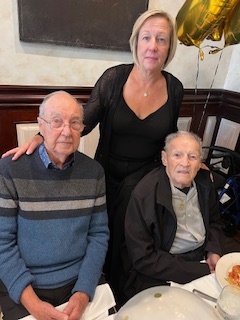
My father is 93 years young, living independently and able to walk for exercise. He lives a fairly active lifestyle, going every day to the local senior club. They go on trips each week which gives him a chance to get out and socialize. He has some age-related ailments, but for the most part, he is in great shape.

left to right, My Dad (blue shirt, 93), Me, My Uncle (90)

My father has always been a purpose driven man, getting his Bachelor and Masters Degree in his early 50s, while raising three children. He was a Police Officer in NYC and didn’t need to do that, but his drive pushed him to do so. My father always believed in education and building knowledge. When my mother was diagnosed with Alzheimer’s Dad’s sole purpose was to care for her. He did everything for her and treated her as if nothing had changed. When she was in a care center full time, his purpose was to be there every single day without fail and he was. See a post on his dedication here, The Notebook.

At my first session of a new six week learning program, the doctors were talking about longevity and brain health. It was stated that, research found people who had longevity, and were still cognitively sharp, engaged in common behaviors. Specifically, they engaged in physical exercise, ate more plant-centered diets and engaged their brains in complex tasks, leading a purpose driven life. When I heard that, I immediately thought of my father, who at 93 is cognitively sound.

My whole life I have taken after my father. I pray I have his longevity and cognitive health, for the women in my family have not been as lucky. My purpose, or why, is to avoid, or delay this fate. This purpose motivates me to learn, grow and move my body every day. I’ve learned that the risk of getting Alzheimer’s is not mainly driven by genetics. Approximately 3% of the total number of Alzheimer’s patients have specific genetic disease risks that cannot be avoided. Over 95% do not have that risk factor, meaning lifestyle and diet matter most in avoiding, or delaying onset of cognitive decline. (Sherazi, Dr.)

Diet and lifestyle matter, for what we do today and most importantly for our future. Here is what was shared regarding lifestyle choices for brain health and longevity.

Movement

We all should aim to move our bodies every single day for a minimum of 30 minutes. Brisk walking is highly recommended, as is tennis and racquet sports such as pickleball. The type of exercise we engage in matters. For brain health, it is recommended that we do the following:

  • Frequency – We need a regimented system of exercising, meaning organized and scheduled. Should be a minimum of 4-5 days per week for at least 30 minutes a day. Personally, I believe that brisk walks should be done daily for at least 30 minutes. The best time, in my opinion, is first thing in the morning to let the sunlight reset your circadian rhythm.
  • Strength – We lose muscle mass as we age. We need to engage in muscle-building routines, such as circuit machines, use of body weight or dumbells. We should work all the muscles in our body, but for brain health specific attention should be given to our legs. These large muscles keep us physically moving and are connected to vascular health.
  • Aerobic – We need to get our hearts pumping regularly as this increases blood flow through our bodies. Swimming, jogging or any other activity that increases your heart rate should be engaged in at least 3 times per week.
  • Consistency – This is a lifestyle, not a reach your target weight and stop. We are signing up to do this for life, as our life depends on it. I move every single day, as does my 93-year-old dad. When we stop moving, we start declining. Make a doable schedule and stick to it. I use my calendar and book it on there and I’m retired. If you are working, you will need to book this time for yourself and make it happen. For too many years, I skipped workouts. Those days are over.
  • **As with all recommendations it is imperative you speak to your health care provider about your specific abilities and limitations. Start slow and build up to these recommendations. I started with a slow walk around the block.

I’ve written many blogs on this topic if you’d like to read more, Move to Live, Healthy Lifestyle: Food, Exercise, and Joy in My Daily Routine

Lifestyle

  • Food – the research is clear that eating more plant based foods is good for our health. When my grandmother was alive, she advocated eating our fruits and vegetables, so this is not new. Processed foods need to be greatly reduced, better yet eliminated. Eat whole foods whenever possible. I eat whole food plant based and have been for six (6) months. I also do not eat any dairy products. I feel better than ever and will continue on this path. If giving up meat is not for you, you can greatly reduce your reliance on it as your main source of protein and increase your meatless days. Eat food that loves your brain, leafy greens and berries to name two. For more information on brain healthy food, see this https://www.health.harvard.edu/healthbeat/foods-linked-to-better-brainpower. Past blogs on my food choices – Change Our Thinking About Food, Eat to Live
  • Socialization – Far too many elderly people become isolated, due to various reasons. Ensure you have systems to keep you engaged with others built into your retirement plans. That is the main reason my husband and I moved when we retired. We loved our home, but knew the challenges to stay fully engaged and active would cause too much time alone at home. We had friends, but they were working still and to do anything, we would have had to constantly leave our area. We now have a full array of things to do right here in our community. Join a club, or senior center if you do not. Like my dad, who never wanted to join one, it gives him something to do each day and he’s around people. Isolation is not good for our brains.
  • Sleep -Quality sleep is one of the most critical aspects of our health. It is when our body rests, recharges and when our brain organizes and cleans out waste. Many people struggle to get fully restorative sleep, myself included. I am doing much better these days. I went into greater detail about getting quality sleep in the blog post – Sweet Dreams. I highly recommend you read it and work on your sleep, your life and brain health depend on it.
  • Stress – Stress almost killed me and it destroyed my health, no doubt about it. It takes a huge toll on us emotionally, physically and healthwise. We need to reduce our stress. Exercise, yoga, meditation and mindfulness all help. I wrote about these in great detail in these posts – Finding Myself, Just Breathe

Purpose

Some studies suggest that having a sense of purpose in life can be associated with increased longevity and a healthier life. A 2019 Harvard Health study found that people with a higher sense of purpose were less likely to die during a four-year study period, and less likely to die from heart, circulatory, or blood conditions. A 2022 study of older adults in the United States found that people with the strongest sense of purpose had a 15.2% lower risk of death, and that this association was stronger in women than men. 

I recommend your purpose be grounded in your why. Why do you want to be healthy? Why does this matter? Why do you get up each day? This will serve to motivate you to keep going when the going is tough. Believe me, my why keeps me focused and working toward my goal. It matters to me. Find what you are trying to achieve and ask why. Frame your decisions around that why.

I love learning and was an educator my whole career. I have been keeping my brain active in retirement, taking courses, along with completing my yoga certification. I am cooking in different ways now and needed to learn how to do that as well. All of the courses I’ve taken were connected to my why – to live a long, healthy, active life and keep my memories. I do not want to be a burden to my family, nor do I want them to watch me slip away, as my mother and grandmother did. I hope you will find your why and join me on this journey to reclaim your health.

I’d love to hear from you about your journey. Feel free to reach out to me via email at laurakump@reclaiminghealth.blog. You can find me on Instagram and Facebook as well, or just leave a comment below.

Fiber Fueled

“Less than 5% of the US population gets the recommended amount of fiber, which itself is probably too low. We’re told we should be getting 35 grams a day, the average American is getting like 15.” – Ocean Robbins on the Darin Olien Podcast

What a wonderful week I’ve spent watching and learning at the 2024 Food Revolution Network Summit. Thank you to John and Ocean Robbins and team for putting together this incredible summit and docuseries, viewed by millions. I have been watching and rewatching the sessions and taking notes on my learning. One area of particular interest to me, as you know, is brain health. I shared some of my takeaways from the brain session in last week’s post found here, Fork Power.

Another interesting topic I’d like to share information on is the importance of fiber in our diets. This topic was extremely important for me when I started my journey toward whole food plant based eating this year. At my unhealthiest point, when I decided to retire and move, my eating was at its worst point. I’d moved away from any semblance of heathy and just gave in to convenience. In all honesty, I had no idea the importance of fiber in my diet and in all candor, it was likely nonexistent. I literally ate no vegetables and no fruit and lived on take out comprised of pizza, sandwiches, empanadas, Chinese food (with minimum vegetables) and when trying to eat healthy, dairy fueled flavored yogurts.

When we moved to our new house and my father was living with us, I had to cook three meals a day. I fell back on old habits and made eggs, pancakes and oatmeal for breakfast on rotation. Lunch consisted of cold cut meats on rye or white bread. Dinner was breaded and fried chicken cutlets, rice and a vegetable (I ate like one piece of broccoli and left them the rest.). I also made my famous Sunday sauce each week flavored and filled with sausage, short ribs, pork ribs and my meatballs. This sauce was served over pasta, or cheese filled lasagna. My father did eat fruits that he purchased every day, but I was not eating any. I knew I had to do better, I even had an idea what to do, but I just didn’t do it. Sadly, I am not unique. As stated by Ocean Robbins in a recent Darin Olien podcast, “Two-thirds of our population is overweight or obese. You think people don’t know that they need to eat less crap, less total calories, and more healthy food. Of course, we all know, but we’re not doing it. And so the issue isn’t so much knowing what to do, in some cases it’s doing what we know.”

Fiber

After six months of cleaning up my eating and losing weight, I had blood work taken. My LDL levels had not decreased as I expected and in fact had increased. I was devastated. I began googling how to lower LDL levels and kept coming back to articles on increasing fiber. I then began googling best ways to increase fiber to lower my LDL and kept getting articles on supplementation. It seemed Metamucil was the answer. Yes, I will say I began taking Metamucil gummy supplements daily, but they were expensive and I honestly knew there must be a more natural way to increase my fiber intake. This is when I took a deeper dive into fiber and why it is critical to our health.

What is Fiber

Fiber is found in the cell walls of plants and passes through our digestive systems whole when we eat it. Fiber acts as fuel for healthy bacteria in our gut and is critical for us to have in our diets. There are two types of fiber, soluble and insoluble. Soluble fiber slows down digestion which can help with the absorption of nutrients, balance blood sugar levels and cholesterol. Insoluble fiber adds bulk to your stools and promotes healthy bowel movements. It acts like a broom, cleaning out your digestive tract.

Where is Soluble and Insoluble Fiber Found?

You can get both soluble and insoluble fiber in all vegetables and fruits, as many plant based foods have both. Soluble fiber is found in foods like whole grains, beans, nuts and seeds, as well as some fruits and vegetables. Insoluble fiber is found in whole grains, vegetables, and wheat bran. Where you do not find fiber is in the diet I was consuming, processed foods, meat, dairy products, eggs, fish and oils.

Benefits of Fiber

Fiber helps your body eliminate toxins through the digestive tract. It keeps things moving and can help you have regular bowel movements. Getting enough fiber increases the prebiotics, or good bacteria in our guts. Fiber can also help you lose weight, as the increase of fiber intake has been shown to increase your feelings of fullness, leading to less intake of food. As an added bonus, fiber rich foods are lower in calories than processed foods. Mainly, this week, they discussed that, fiber is an essential part of your waste removal system – constantly eliminating carcinogens before they become a problem.

Ways to increase Fiber Intake

The first thing I did to increase my fiber intake was add in more vegetables and fruits. I changed over to a whole food plant based diet and even then had to really think about how much I was eating to ensure I was getting enough. To ensure I am meeting my goals every day, I add vegetables and fruits to my smoothie each morning. I have a big salad every day that contains vegetables, fruits, nuts and seeds. I also eat whole grains and beans every day. In all honesty, I wasn’t eating ANY of those things on a regular basis seven months ago. Other ways to increase fiber intake:

  • Find out what foods are highest in fiber. Examples, kiwi fruit, dates, french lentils are all high in fiber, so I include them in my food rotation. Added bonus, they are all delicious!
  • Choose whole grain instead of white flour products
  • Choose beans over beef, chicken or fish
  • Choose oatmeal in place of breakfast cereals
  • Snack on fiber rich foods, such as popcorn (no butter or oil used or added), bananas with walnuts, sliced apples with peanut butter, or carrots and hummus

The possibilities are endless, the main thing is to research fiber content in foods you are eating. Here is a helpful list to check when going food shopping, courtesy of Web MD, https://www.webmd.com/cholesterol-management/features/fiber-groceries.

Learn More About Fiber

*This post may contain affiliate links for your convenience. As an Amazon associate, I may receive a small commission, at no additional cost to you. This helps me offset the cost of running this blog and I only recommend items I use and love. Thank you for your support.

Fiber Fueled: The Plant-Based Gut Health Program for Losing Weight, Restoring Your Health, and Optimizing Your MicrobiomeThis book truly helped me understand, on a basic level, the importance of fiber in my diet. I honestly had no idea and having eliminated so many foods from my diet after trying all the latest diet fads, I was dangerously low on fiber intake. Excellent resource, even if you are not plant based, to learn not only the importance of fiber, but how to increase your intake of it
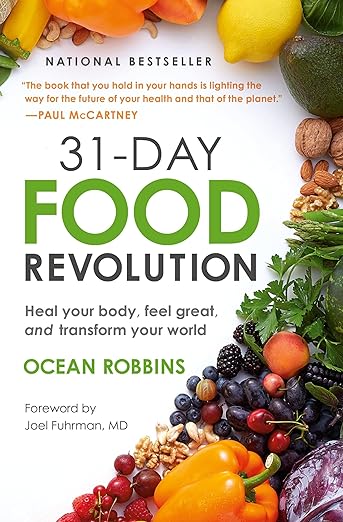
31-Day Food Revolution: Heal Your Body, Feel Great, and Transform Your World, by Ocean Robbins – This book introduced me to the wonderful team of Ocean and John Robbins of The Food Revolution Network. I’ve learned so much from them and this book opened me to the possibilities of changing my life, through changing what I was eating. I will be forever grateful to them. A great, easy introduction to the power of food to our health.
In Closing

Now that the word fiber is in your head, spend some time learning more about it and the importance of ensuring you are getting enough of it in the foods you currently eat. Begin to read labels and consciously think about the foods you put on your plate and in your mouth. Your life truly does depend on it. I know there are way more glamorous fad diets calling you with promises of quick results, but I also know that you will end up right back where you started after you do one of those. I know because I’ve tried them all. The best results I’ve had has come from educating myself on nutrition and understanding the important role our food choices play in our health and life. I hope you join me on this journey. As always, I am available for conversation and questions about my post, or wellness journey. You can reach me at laurakump@reclaiminghealth.blog, on Instagram or Facebook, or in the comment section below. Thanks for reading!

Fork Power

“What you find at the end of your fork is more powerful than anything you’ll find at the bottom of a pill bottle.” ~ Dr. Mark Hyman

Young Forever, Dr. Mark Hyman

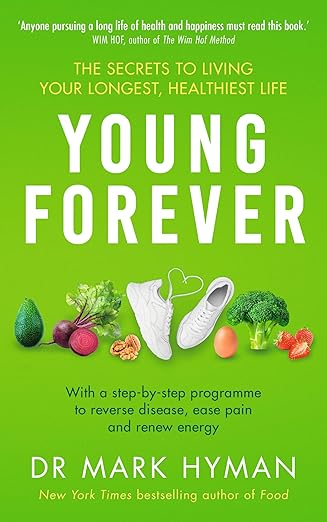
This week, I’ve been watching the 2024 Food Revolution Docuseries, which brings forth information from many experts in the fields of medicine and nutrition. I’ve enjoyed all the presentations, but especially yesterday’s session on Brain Health. This episode discussed the latest scientific information regarding prevention of Alzheimer’s, memory loss and other brain related disease. Those who follow me, know this is a major driving force behind the personal work I am doing on this blog and in my life. Having witnessed first hand what Alzheimers does, to both the patient and the family, I am determined to do anything in my power to prevent this disease. One quote stood out to me during the summit, “you have the power at the end of your fork to delay, or prevent this disease.” The quote, I believe, is attributed to Dr Mark Hyman, well known functional medical doctor and author. His book, Young Forever, provides a simple blue print to live a healthier life, including nutritional changes.

When my grandmother and mother contracted Alzheimer’s, doctors said there was nothing we could do. It was uncurable and would run it’s normal course. When I started researching Alzheimer’s, too late for my mother, I learned that nutrition indeed plays a major role in the onset of the disease. For far too long, research has focused on the treatment of the disease, once the patient is diagnosed. Current research, shared in this docuseries, looked more at prevention of the disease, which is where success may be found. The staggering facts are that women in their 60s are twice as likely to get Alzheimer’s. And, the primary determinant is their diet and lifestyle, yes genetics play a role, but studies now show that diet and lifestyle have more impact than ever thought. Alzheimer’s is not inevitable!

We can all agree that food is a powerful tool in our health journey. Everyone agrees that poor nutrition has an impact on cardiovascular disease, diabetes and overall health and wellness. We now know that the brain is also heavily impacted by poor nutrition. Saturated fats have been linked to high LDL levels and an increased risk of Alzheimer’s. Polysaturated fats (not coconut oil) have been shown to lower risks of Alzheimer’s disease. Here are some of the takeaways from this episode.

Fork Power

Plant strong whole foods have been shown to improve brain health. Eating foods high in Omega 3 fatty acids are needed by the brain on a daily basis. Best plant based sources are chia seeds, hemp seeds, kale, flax and walnuts and these should be eaten daily. When eating nuts and seeds, you don’t need more than a handful a day. Healthy fat, such as avocado, is considered a brain health food. They shared that diets high in meat, especially red meat, have been linked to Alzheimer’s, followed by eggs and high fat dairy products. I’ve shared a lot about my personal journey to whole food plant based eating in past posts found here Change Our Thinking About Food and Sugar Sugar.

Supplementation

I am a vegan, so I do take a supplement to ensure I am getting enough Omega3 fatty acids, Vitamin B, D, Zinc, Magnesium and Iodine. I love the Essential Vitamins brand and take Complement multivitamins daily. I recently put my husband, who is not vegan, on them as well and he speaks often of the increase in energy that he feels. I highly recommend these and love that I don’t have multiple jars of separate supplements anymore.

Hydration

There was a discussion about the importance of hydration for brain health. Specifically, they discussed studies that showed the brain shrinks when dehydrated. We have a greater capacity for mental focus and wellness when we are properly hydrated. They listed water as the best choice for hydration, followed by green tea and coffee, but without dairy, or sugary add ons. I try to drink 80 ounces of water a day, I’m not always successful, but am definitely drinking more than I used to. I fill my 80 ounce container every morning with intention to finish it. I do use the water from this container when making tea. They also said it was more important to hydrate throughout the entire day and not to drink large amounts at one time.

Sleep

Sleep is most overlooked when it comes to its impact on our brain health. Many of us, myself included, struggle with sleep. When at my worst, I definitely became worried by my brain fog and began to question if it was something more. Sleep is the main means for our body to cleanse our organs, including our brains. Restorative sleep is critical to brain health and the major reason I started tracking my sleep. I can see the difference in how I feel on days when my sleep was interrupted vs days when I’ve had a deep and restorative sleep. You can read about my sleep routines on these past blog posts, found here Sleep Your Secret Weapon and Sweet Dreams.

Meditation and Mindfulness

Engaging in a regular yoga and meditation practice can help us manage stress. Living in a chronic state of stress has major impacts on our mental health and wellness. Yoga practices can deliberately activate our parasympathetic nervous system and ease our stress response. I can attest to this personally, as I have shared the negative impact my high stress career, couple with the pandemic had on my health. Living in a chronic state of stress, caused weight gain, brain fog and lack of sleep. I was likely one step away from a breakdown. You can read more about the impact of stress on my health in this post I shared, Stress.

Overall, the docuseries on brain health and research, was insightful and provided validation for life changes I have made. I found it uplifting and inspiring and motivated me to keep on this path I’ve chosen. Hearing the researchers say that Alzheimer’s is not inevitable, provided me hope that through dietary and lifestyle changes, I can indeed delay or prevent this memory robbing disease. I hope you too will spend some time learning about the power found at the end of your fork and on your plate. Your future self will thank you, as will your family.

Feel free to reach out if you have any questions, or comments, about this week’s blog. I do provide links to products I use and recommend, available at no extra cost to you. As an Amazon associate, I may receive compensation for any purchase made, which offsets the cost of running this blog. Thank you for reading and for your continued support of this blog. You can reach me via email at laurakump@reclaiminghealth.blog, on Instagram or Facebook, or in the comment section below.

Move to Live

“…but I now consider exercise to be the most potent longevity “drug” in our arsenal, in terms of lifespan and healthspan. The data are unambiguous: exercise not only delays actual death but also prevents both cognitive and physical decline, better than any other intervention.”
― Peter Attia, Outlive: The Science and Art of Longevity

When I was an educator, we had an initiative called, Move to Improve that was instituted by the city as a means to draw attention to health and wellness. The main focus was on the benefits of exercise to student health and its connection to improved learning. When I think of moving these days, my focus is still on the connection of exercise to my overall wellness, but also am focused on healthy longevity. Nutrition is often thought of as the most important of the health pillars, however, movement could actually be far more important. Dr William Sears, lists movement as a key component in his pillars for healthy living and states, “sit less, move more, live longer“.

Doing less sitting and moving more, can be tied to living longer. Replacing 30 minutes per day of sedentary time with 30 minutes of physical activity at a light intensity was associated with a 17% lower risk of early death in a study published in the American Journal of Epidemiology. Thirty minutes (30) would be your minimum movement per day and is a good starting point for many beginning a health journey, after long periods of being sedentary. It can be an simple as a 30 minute walk per day to begin. It is where I began my journey as well, and a commitment I made to myself, that no matter what the day brings, I would get at least a 30 minute walk every day outside in nature. I have kept this promise to myself for over a year now and it has had a huge impact on both my physical and emotional wellness.

Obviously, the hope is that you continue to increase your movement as you feel healthier and more able. I will share my journey to increase movement over the past year below. I would caution you to ease into any new routine and always have a physical with your medical professional before staring any exercise program.

Walking

Terribly out of shape, this former long distance runner needed to start slowly after a year and a half of not moving following a running injury. I made a commitment to myself to walk AT LEAST 30 minutes outside in nature every day. I simply walked my dog for 30 minutes every day. Being outside in nature is great for mental wellness, so please do leave the headsets home and enjoy the sights and sounds.

Tracking Movement

I’ve shared before that I wear a Fitbit tracker on my wrist every day. I now shoot for 10,000 steps each day, but when I started out I shot for 5,000, then increased to 8,000. It’s best to set goals that you will meet at first, because that will motivate you to continue. The tracker counts all movement, so even just walking in your house will get you credit. I never realized how sedentary I truly was until I wore the tracker. The one I linked is currently on a great sale now at Amazon at 25% off. I also wear this to bed to track my sleep (see my post on sleep here) every night, so it’s a win win device for wellness.

Yoga

I was far away from the shape I was in when I used to do daily power yoga classes, but that was just fine. I returned to my yoga practice, taking it slowly. I started out with very gentle Hatha yoga classes, which involved seated poses and stretching of muscles. As I improved, I moved to gentle flow classes and gradually increased the difficulty. Yoga is truly a key to my overall wellness program. It keeps my muscles supple, strengthens, improves breathing through breath work and improves my emotional wellness. I highly recommend yoga to anyone seeking to improve their wellness. It is accessible to any one, as you can modify it to suit your body. You can even take a chair yoga class when starting. Don’t hesitate to take yoga, you don’t have to be “fit” to start, just start. (Read my post on yoga here.)

Strength Training

As we age we lose muscle mass, strength and function, starting as young as 30 years old. The good news is that we can offset these loses through strength training. You don’t have to join Crossfit to build muscle, though it is a fabulous workout. Light weights, body weight movements, or use of circuit machines are a great option to add into your wellness routine. I try to do light weight training, combined with body weight exercises at least 2x a week. I did not start this immediately when returning to exercise, rather, when I felt ready, added it in. I use light dumbells, the Smith machine barbell at the gym, push ups and hanging pull ups mainly in my current routine. Start with a 3 pound dumbell and work your way up from there.

Aerobic Exercise

In order to improve fitness, strength, stamina, mood and cardiovascular health, I worked my way back to including aerobic exercise in my weekly exercise routine. It took me several months to get there, as I slowly increased my readiness. I love playing pickball and play at least 3 times each week, year round. I would love to get back to running regularly, but will never run long distance again. It’s just not necessary. I have been running one mile occasionally and it does feel good. Building our aerobic capacity is an important component of your wellness journey, so begin to think about what you enjoy doing. There are many options including, swimming, biking, interval training, running, tennis, pickleball, etc.

Balance

Balance is key. Do not overdo fitness, especially at first. Remember, we are in this for the long term, quite literally. Make a plan for your week and ensure you include rest days. That doesn’t mean you are sedentary, you still should have at least 30 minutes of movement. Remember walking is the easiest and most powerful tool in your fitness regime.

In his book, Outlive:The Art and Science of Longevity, Peter Attia, MD provides us with a guide to understanding why and what we should be doing to potentially offset chronic disease and live a longer and healthier life. He writes and explains in quite clear and understandable language. I am truly grateful to have come across this book and thoroughly enjoyed reading it. I highly recommend you become more informed about aging and longevity, even if you are under 30. It is critical to understand that the choices we make have implications on us in the future. Changing our stance from treating illnesses we develop later in life, to living better now to prevent their development will serve us all well. I for one have been on this path for quite some time now and am still far from an expert. I am just living my best life and planning for my future self. I hope you’ll take the time out to read this book, but if not, I hope you’ll take time out to reexamine your daily movement and exercise routines. Your future self will thank you, as will your family who will enjoy more quality time spent with you.

If you have any questions, or comments about my blog, please do feel free to reach out to me at laurakump@reclaiminghealth.blog, on Instagram, Facebook, or in the comment section below.

*As an Amazon associate, I may receive compensation for any of the links I have provided. This helps offset the cost of running my blog, so I thank you in advance.

Miracle Morning

“Good morning is not just a word. It’s an action and a belief to live the entire day well. Morning is the time when you set the tone for the rest of the day. Set it right!” — Fain Blake

In his book, The Miracle Morning, Hal Elrod argues that everyone is capable of achieving their dreams in every area of life. The answer is found through committing yourself to a morning self care routine, which can empower anyone to transform any area of their life in a surprisingly short time. Mornings have long been my favorite time of day, especially early morning before the sun rise. I just love the quiet and stillness of the morning, before the world has awakened. I’ve witnessed so many beautiful sunrises, especially here at the beach and I’m most productive in the morning.

Hal Elrod, in his book, describes a specific morning routine you can follow each day. I have followed that routine for many years effectively. Lately, I’ve made some tweaks to my morning routine, to reflect my current exploration and learning about health and nutrition. I’m leaning into Ayurvedic teachings and exploring some simple morning routines. The Little Book of Grounding: Seventy-Five Simple Ways to Restore Balance to Your Mind–Body–Spirit Using Ancient Ayurvedic Teachings for Today’s World, by Karen Sibal, is a great place to start if you want simple information and advice about Ayurvedic teachings. It is currently being offered digitally for free on Amazon.

What is Ayurvedic Nutrition

Translated from Sanskrit, Ayurveda means “science of life.” Ayurveda is a complete system of medicine in India, which includes the prevention and treatment of disease. One focus is on nourishing the body through food, eating for balance and harmony with nature and using nutrition to address health concerns, along with conventional care.

Ayurvedic Eating Principles

In her new cookbook, JoyFull: Cook Effortlessly, Eat Freely, Live Radiantly, Radhi Devlukia-Shetty shares in a practical manner, principles of an Ayurvedic lifestyle, with a focus on food and simple morning wellness routines.

Ayurvedic Principles:

  • Eat Seasonally – Nature provides us with food for every season. Eating from these seasonal foods will help balance your energy. When we eat seasonally, we are said to be better nourished.
  • Eating Organic – Buy locally grown foods which are organic. Realistically, this can be challenging depending on your location. Frozen fruit and vegetables, along with no salt canned bean options can fill any gaps. Also, if you cannot afford organic, use guides for the most important produce to spend the extra money on. One such list is known as the Dirty Dozen shopping guide, found for free on EWG’s website.
  • Cycles of Nature – Our bodies follow the circadian rhythms of nature. Eating your meals in alignment with this rhythm is important. Breakfast is the warm up for the day and your digestive fires. A warm breakfast such as stewed apples, or a smoothie are good to get your body moving. Lunch, is the beginning of our highest energy part of the day and we should consume our largest meal at this time. Dinner time finds our body getting ready to transition towards sleep. This meal should be a light meal, so as not to interfere with this transition, or the quality of our sleep.
  • Snacks – It is believed that we get all our nutritional needs from our meals during the day, making snacks unnecessary.

Morning Routine

After reflecting on my morning routine, coupled with these ideas, I made a few changes. The new self-care routine, is based on information provided in the Joyfull Cookbook. Here is my current daily routine:

  • I wake each day at 5:00 A.M.
  • Self-Care & Reflexology Routine :
  • I stand on my Daiwa Felicity Foot Massager Reflexology Mat with Magnetic Therapy Acupressure Disc while I wash my face, brush my teeth, dry brush my skin and apply massage oil. This disc is used for reflexology, which is a therapy that applies gentle pressure to specific points along your feet to help you feel better. The theory is that this will ease stress, and help your body work better. I wear thin socks when doing this and am working towards being barefoot on it.
  • Mouth care – I use a tongue scraper to remove the film from the night off my tongue. It is believed that tongue scraping removes debris and bacteria from the tongue, improving mouth health and bad breath. It may also improve your sense of taste. I then brush my teeth and follow this up with oil pulling, using a perfect blend of oil, vitamins and herbs that leaves my breath, teeth and gums invigorated for hours.
  • Skin & Body Care – I wash my face. I then begin to dry brush my entire body, using upward strokes towards the heart. I make circular motions with the brush on joints and the stomach area. Dry brushing is said to exfoliate and detoxify skin. Once I have dry brushed my entire body, I apply massage oil , working it into the skin, using massaging strokes. This oil moistures your skin and has a warming effect on me. If I am going out early, I shower following dry brushing and apply the oil after my shower.
  • Breakfast – When I enter my kitchen, I light my scented candle on the stove and begin to prepare my food. Most days, I have a smoothie because it’s easy, but I do rotate in some Chai Oatmeal (Recipe found in Joyfull).
  • Morning Movement – I go for an early morning walk, often the sun is just starting to rise. Some days, I go a little bit later after journaling, reading and reflecting. It really depends on the events I have planned for the day. If journaling and reading, I sit in my chair with my scented candle nearby. I plan to add some breath work here, but have not started yet.

This morning routine really is very simple, but powerful, my favorite kind of routine. It helps me enter the day in a great frame of mind and energy. I have been far less stressed, so it definitely is easing stress and anxiety for me. If I didn’t say this already, I do not have the morning news on during any of the routine. I like to sit in the quiet of my home. I’m very excited to see how the new skin routine helps my dry winter skin!

If you’d like to try any of the routines mentioned above, I highly recommend you consider purchasing the Joyfull Cookbook as a great tool. The recipes are fantastic, nourishing and easy to prepare. Radhi’s simplicity in explaining her beliefs and morning routines are an added bonus. The cycle of the body aligned with nature, really made sense to me. I had been eating my main meal at lunch for years, but it was helpful understand why it is important.

If you have any questions about my morning routine, or where to start, please do not hesitate to contact me via email at laurakump@reclaiminghealth.blog, on Instagram or in the comment section below. Let’s make use our morning routines to capture the energy, strength and beauty of the sunrise.

*All items are linked in the post, and as an Amazon Associate, I may receive compensation for any purchase made. I thank you for the support as it helps cover my expenses for running this website.

Growing Wings

“There is freedom waiting for you,

On the breezes of the sky,

And you ask “What if I fall?

Oh but my darling,

What if you fly?”

Erin Hanson

When I was teaching, I absolutely loved being in the classroom. I was first asked to be an Instructional Coach back in my early years of teaching and didn’t want to leave the classroom. My Principal at the time said to me that within my classroom, I would impact the lives of my students for the year they are with me, maybe beyond. If I stepped outside the classroom and worked with educators, I’d have impact on many more students through this work. In the end, I made the transition and loved it, going on to become a Principal a short time later.

My Principal was right in his advice, sometimes we have to step outside our comfort zone and share our knowledge and learning with others. It has been said, that the knowledge we gain, if not shared or used, is knowledge wasted. That’s one of the reasons I started this blog years ago, as both a source of strength for me on my journey and to engage with others on similar paths. It is through these connections that I both learn and share my learning.

Over the past year, I have engaged in the study of nutrition and wellness. I am now a Certified Wellness Coach. I am finishing up my 200 hour yoga teacher certification to become a Yoga Alliance Certified Yoga Teacher and taking an additional 20 hour course on Somatic Yoga for Therapy. Additionally, I am completing an 8 week deep dive into Whole Food Plant Based Nutrition. I know it sounds like a lot, but I have always been a certified knowledge junkie. I love to learn and would have chosen full time student as my best career! I am now beginning to think of ways I can share my learning with others. I’m developing plans to begin sharing my learning in a more systematic way.

What I believe I can offer to the conversation on health and wellness, is a deeply rooted understanding of what high stress, example, from executive level positions, can do to one’s health and wellness. I have lived through that journey and know that most corporations don’t offer plans, or take into account how to provide continuous systems to address wellness. Merely offering discounts on outside plans, or apps is truly not enough, as most people don’t take advantage of them. I am hesitant to dip my toes in the wellness water, as I feel the imposter syndrome voice raising her voice in my ear, but will push through those doubts.

I’d also like to work with women like me, who have tried many times to get this right and failed. I’ve lived that journey as well, starting over time and again. I have learned so much this past year, that I wish I knew during the past eight years of my health journey. Perhaps I would have had more success along the bumpy road. Perhaps, I was meant to fail over and over to push me to learn more and find my way. Perhaps I am right where I’m supposed to be. Many of you have reached out and shared your connections to my journey and that has fueled me forward. I’d love to get some groups going and will launch one in the coming months on my Instagram page. I will offer fully online groups, as well as in person for local people.

I’d like to deepen the sharing of my personal journey and use that as the vehicle to help others get started. Most of us are afraid to put ourselves out there and ask for help. We fear judgement from others who are in optimal shape and fear we are too far gone to be able to make this journey. I am living proof that it is never too late to try again. I am going to put together some specific content to help others get started on their path to reclaiming their health.

As you know, I am a small steps, big results person. I know full well that if it feels complicated, it likely won’t happen. In the coming months, I’ll be working on building some content and will be sharing information here and on my Instagram page. I hope you’ll take this journey with me in some form. I always learn from your journey and feedback. Even if just one person is helped by something I share, I will consider myself successful.

If you have any questions, feedback, or comments on any of my blogs, reach out to me via email at laurakump@reclaiminghealth.blog, on Instagram or in the comment section below.

Cooking to Nourish Your Mind, Body & Soul

“No one who cooks, cooks alone. Even at her most solitary, a cook in the kitchen is surrounded by generations of cooks past, the advice and menus of cooks present, the wisdom of cookbook writers.

Laurie Colwin

The weekend after my high school graduation, I took my first apartment. At 18 years old, I wasn’t much of a cook and hadn’t had much appreciation for the meals my grandmother, or mother, had made. Fast food and cake were my main selections for meals. 

Newly married at 21, I had a small repertoire of recipes I could cook. It wasn’t extensive, but I could whip up some meat and potatoes and a bag of frozen vegetables. Pizza and baked ziti were my main selections for meals.

As a new mother at 25, I wanted to feed my infant son fresh foods, not foods in jars, as I was afraid of what might also be in them. I purchased my first crockpot and many fresh vegetables from the supermarket. I pureed these cooked vegetables and fruits and made homemade food for my son. Too tired to cook; pizza, baked ziti and tuna casserole were my main selections for meals.

Following the death of my beloved grandmother at 28, I took over hosting of all family holidays. I began developing the art of cooking the holiday meal from scratch. This was my gift of love to my family and helped keep family traditions alive. I really enjoyed doing it, however, too tired from raising three children and working full time, calling out for dinner was my main selection for meals.

When my mother was diagnosed with Alzheimer’s, I began cooking to keep my mind off watching her slowing leave us. Chopping up vegetables and onions became a form of therapy for me. Eating the delicious foods borne from following recipes and cooking shows, coupled with a nice bottle of wine became my main selection for meals.

Cooking is an art form and labor of love, but it is also one of the best things you can do for your health and well being. Cooking gives you control over what you are putting into your body, as you select and control the ingredients used. It is far healthier than eating fast food, or restaurant food regularly. The amount of fat and sodium consumed when eating out regularly cannot be denied. Cooking can be time consuming, especially at first, but I realized through my journey that it is truly worth the effort. 

Cooking has been so therapeutic for me and I cannot understate the joy it has provided as well. When journeying through the difficult walk of Alzheimer’s disease, it provided me great comfort, like a warm blanket. The cutting board, the chopping, the art of preparing a wholesome meal all brought calmness to my mind. Preparing family recipes kept me connected to family traditions and memories. It felt as if my grandmothers, mother and aunts were by my side guiding me along. Of course, there also was no denying the positive impact cooking had on my nutrition and health. Blood tests showed the improvement, as did my waist size and fitness level.

Cooking is love of self and family and likely the best gift you can give to yourself and them. It can be hard to do, especially when working full time, believe me I have been there. This is not a call to be tied to your stove, rather it is a call to see the value found in the art of cooking. With that in mind, here are some of the simple actions I took when starting out that helped me stick to it.

  • Plan Realistically – It’s easy to get overwhelmed, so plan out what you will cook and don’t take on too much at first. List meals you will prepare for breakfast, lunch and dinner. I use a calendar template to list the meals I will have for each day and include where to find the recipe. If you do this on your computer, you can make a live link to the recipe. You can also, reuse weekly plans as you go and create a rotation.
  • Plan for Shopping – As I pick meals, I list the ingredients I will need to shop for. I list items by the aisle they are found in, ex., Produce, Frozen, etc. This makes shopping quicker. I only buy what I need to reduce costs and waste, ex. if I need one sweet potato that’s what I buy, not the whole bag.
  • Plan for Leftovers – As I pick meals, I think about using leftovers for lunch and/or dinners. Example, a vegetable lasagna tray can be used for at least two dinners, or lunch and an additional dinner. So planning out the week, I take that into account. This cuts down on over buying and waste of food. It also removes cooking from several nights.
  • Recipe Selection – Choose recipes that don’t have a ton of ingredients. Less is often more when cooking. Focus on clean, healthy ingredients and flavors you love. There are so many offerings online and on Instagram. Find a cook you love and peruse their offerings.
  • Meal Prep – I don’t like spending a whole day cooking on my weekends, never did. There is value in prepping though to save time throughout the week. Breakfast is the easiest meal to prep for the week. If you have having overnight oatmeal, it’s very easy to make several containers at once and put them in the refrigerator, eliminating any need to cook in the morning. This week, I baked a quick oatmeal, buckwheat, hemp and quinoa recipe that was cut into eight slices for eight breakfast grabs. Other items I like to prep for are granola options for over acaci bowls, or cashew yogurt. Finally, salad dressing options are made to last a few days. 
  • Vegetables – I prefer fresh, but have started using frozen organic options for some recipes. This cuts down on the chopping time needed to prepare for recipes. Frozen vegetables and fruits have great nutritional value and can lessen the time needed to get a recipe on the stove.
  • Whole Food Plant Based – these recipes take less time to prepare than most meat recipes and are great options for a work night. I made a delicious red lentil, walnut and mushroom bolognese sauce last night that was cooked and on the table in just under 60 minutes. These meals are also easier to digest in the evening when you may head to bed earlier.
  • Prepare Before Starting – I pull out and line up all ingredients I will need prior to beginning a cooking session. It takes a few extra minutes up front, but is well worth the time. I even measure out the spices and have them ready to just put into the pan. All of this makes following a recipe and cooking so much easier! I promise.
  • Clean Up as You Go – I clean and put things away as I go, making it so much easier when we are done eating to clean up. Leaving everything in the sink and out, as my husband would do, makes it feel overwhelming and messy. Once something is on the stove simmering, or in the oven, it is the perfect time to clean up and put things away. This often leaves me with only dinner dishes to rinse and put in the dishwasher when we are finished eating.
  • Start Small – If you are new cooking, or haven’t cooked in awhile, start small. Commit to cooking one meal a day for the first week. This will keep you from feeling overwhelmed. You can add other meals as you go, when you feel ready.

I hope you found something helpful in these suggestions. Go easy and give yourself grace to find what works for you. The most important thing, is that I hope you cook. 

We talked about doing something new to spark motivation in last week’s post. Perhaps cooking can be that something new. I truly hope it is. If you are already in love with cooking, please share some ideas with me through email at laurakump@reclaiminghealth.blog , Instagram @reclaiminghealthblog or in the comment section below. 

Try Something New

“I always did something I was a little not ready to do. I think that’s how you grow. When there’s that moment of ‘Wow, I’m not really sure I can do this,’ and you push through those moments, that’s when you have a breakthrough. Sometimes that’s a sign that something really good is about to happen. You’re about to grow and learn a lot about yourself” -Marissa Mayer

As we enter February, we may have lost some of our mojo when it comes to work out promises made at the New Year. The initial excitement about getting into shape may now be starting to wane. I know the crowds at the gym here have started to diminish greatly, as happens every year. It’s the same cycle every year and one that gets even the most well intentioned of us, myself included. This year however, I made a promise to myself that I would not give up on my journey during these cold winter days. This year, I made a promise to myself that I would not have to start over from scratch come spring.

Sometimes when motivation starts to dwindle, trying something new can be just the spark you need to keep going. Switching things up and adding some variety to your routines can be the ticket you to hold on. For me, I have added in very short runs to my week and started a WFPB (whole food, plant based) nutrition course. Both have served to peak my need to learn and grow and push through these moments of wanting to nest in my home under a blanket.

I was not planning to add a plant based certificate to my coursework, but have been struggling with some gut health issues recently. After researching and truly reflecting on it, I felt the time was right to explore my long standing difficulties with getting enough fiber in my diet without supplementation. I have a long history of not loving vegetables and irrational thinking about the sugar found in fruit. I decided it was time to dive deeply into the world of plant based nutrition and felt WFPB was the best place to start. I was definitely not sure I would be able to survive, much less thrive, if I only ate whole plant based foods.

This is my second week of eating WFPB and I must admit that I actually do feel better. I had some diverticulitis symptoms and was beginning to worry, but this week I haven’t felt the nagging pain on my left side following eating. It’s far too soon to tell the true impact, but I am most definitely motivated to keep going. I am excited to continue to learn and try new foods and track my growth in the process.

If you are feeling stuck and losing motivation to eat healthy, workout or do any of the things you loved, consider trying something new and see if it reignites your passion. Is there something you’ve been wanting to do, but haven’t? It can be anything, not just health related items. Have you always wanted to learn to crochet?, Wanted to learn about plant based cooking? Whatever it is, do it! It could be just what you need to climb out of the winter freeze and move into the spring thaw with stronger motivation. 

In my case, I knew my intake of vegetables and fruits was weak. I started thinking about it and researching it. I then took the following steps:

  • Learn – It’s important to engage in the process of learning new information. It is great for your brain and can build excitement around the process, as well as give you the tools you need to try it.
  • Add On – What are you already doing that this new learning will improve? I love to cook and was excited to add new recipes, ingredients and meals to my repertoire. As a health coach, I knew I would interact with clients who have different preferences for their foods and wanted to build a better knowledge around this topic.
  • Connect – Find others who share your passion. One of the blessings of social media is that you can find your tribe as you learn and grow. I found a group of WFPB people who have offered support and ideas as I learn. 
  • Push Through – Decide to do it and really try to stick to it. Focus on progress not perfection and do what you feel you can commit to right now. In my case, I went cold turkey, but that is because I am not working full time. If I was still working, I would have likely committed to add one WFPB meal to each day. 

Whatever you decide to do, give yourself grace. The goal is to spark motivation, not overwhelm yourself. Remember, it’s the small steps that add up to big change, but that won’t happen if we get overwhelmed. For example, if you want to learn to crochet, don’t set out to make an afghan right from the start. It’s likely best to start with making one chain of stitches. Once you have that down, move to making one full square block. Finally, over time you will move to making an afghan blanket. Using these small steps over time, you will hold on to your motivation as you celebrate those successful moments along the way.

I’m excited to hear about your new passions and how they helped motivate you to keep moving forward. Please do reach out to share them with me at laurakump@reclaiminghealth.blog , on Instagram @reclaiminghealthblog , or in the comment section below.