Embracing Personal Accountability for a Healthier, Fulfilled Life

“Personal accountability requires mindfulness, acceptance, honesty and courage.” – Shelby Martin

Personal success can be achieved through taking accountability for our actions. This shift takes time and is one I’ve embraced on this health journey. It’s also one I hadn’t embraced in the past.  It’s hard to come to terms with the reality that you and you alone are responsible for the decisions you make each day, but personal accountability is the key to living a healthy, fulfilled, and meaningful life. Even though it can be challenging, accepting personal accountability will enable you to learn from mistakes and make adjustments to your journey.

Our consistency and day to day life decisions play a huge role in the progress we make and results we achieve. Believe me, I know it feels better to blame work stress, genetics, health or other outside reasons for my failure to make progress. Blaming others or making excuses can lead to giving up when things get hard. There are certainly cases where outside factors are a key reason one is not achieving results, despite putting in the work. I would never want to minimize that, but, today I’d like to talk about accepting personal accountability for your health journey.

My Journey

I’ve been on this health journey for what feels like a lifetime. I’ve honestly tried everything there was to try. I worked with countless nutritionists who wanted to sell me endless products. Everyone seemed to have their own angle on what I needed to do. I would try what they said, not see results fast enough and give up, then blame them. I believed every advertisement I saw that spoke to those who haven’t had results, but would if they only tried their new approach. I worked out endlessly, ate clean and couldn’t seem to ever stay on track. It wasn’t until I shifted my mindset from doing what someone else said I needed to do, to taking control over my own journey, that I began to have success.

Think about this, every single decision you make in a day is in your own hands. I decide every day whether I will sleep in, get up, work out, eat out or cook. I needed to accept responsibility for the decisions I made. Recognizing and honoring this was a necessary first step toward making lasting changes in my health. It was also a powerful tool toward changing unwanted behaviors and ways of thinking about myself.

Many of us spend our days drowning in negative self talk, blame and procrastination. On this journey toward reclaiming our health, we first need to address the elephant in the room – blame and excuses. Yes, it is far easier to say I’m still overweight because I’m a middle aged woman, or my parents were overweight, or, or, or. Accepting these excuses and reasons for our struggle can lead us to accepting where we are, giving up on trying to change our way of life. I know this first hand, as I had given up on even trying. I began to accept that this was just how I was going to be.

Personal Accountability

Personal accountability is the practice of accepting responsibility for your actions, words, and behaviors, and the consequences that result. It involves taking ownership of situations, and doing your best to improve, whether the outcome is good or bad. People who are personally accountable don’t blame others or make excuses, and they try to make amends when things go wrong.

Personal accountability does not mean we place blame, or shame on ourselves. Rather, it is meant to be a means to accept that despite where you are right now on your health journey, including the reasons for being there, you have the power and responsibility to improve your health and make lasting changes.

Roadblocks

Two of the most common reasons for not achieving our goals can be tied to lack of consistency and not having a strong enough purpose – your why.

Consistency:

I’ve written about the importance of consistency on your health journey. This blog is worth your read – The Compound Effect. Consistency is your super power. Quite simply, the small decisions and moves you make over time will determine your rates of success. It’s a lifestyle, not a diet or program.

This hit home for me once when a doctor asked me about my activity levels. I replied that, I run 3 miles most mornings, swim other mornings and ride my bicycle. She said that’s a great way to start your day, but what do you do for the rest of the day? I had to pause and think. I often sat and read, worked on the computer, binged Netflix, etc. Most of my activity for the day was completed by 10:00 AM each day, leaving me feeling like I had put the work in. Sadly, I was thinking of exercise as something I needed to get done.

Exercise is part of an active lifestyle, not something you do to check off a box on your daily list. The more you move, the healthier you will be. I now move throughout my day, not just in the morning. For example, I take a brisk walk when I wake each morning for about 30 minutes, about 1 mile. I then often relax and have breakfast. A few hours later, I head down to the pickleball courts and play games or practice for about 2 hours. I then cook our main meal of the day and we eat lunch. I relax, do some reading, or computer work and then take my afternoon walk, about 1.5 miles. When I return, I either go down to the pool, or go into town to the beach area. We have a light dinner and I walk with the dog for a bit to end the day. Then it’s either relaxing evening home, or we go out. As you can see, I am moving all throughout the day. You can change the walking to bike riding in the nicer weather, or yoga for pickleball. Honestly, it doesn’t matter what you do, as long as you are consistently moving your body.

Purpose:

MY WHY -Having  strong reasons for getting healthy can help improve your focus and drive. Losing weight for a special event, while motivating in the short term, won’t sustain you over the long haul. Generally after the event is over, so is your motivation and drive to continue. Further, we often feel we have achieved our goal and begin slowly to loosen up on our decisions.

Center your purpose around longer term goals to keep you grounded when the going gets tough. In my case, my why is to maintain optimum health as I move into the next phase of my life. When I declare my why I say, “I WILL hold on to my memory and live a long, active life.”    This is my motivation and my drive.  It pushes me out of bed when I don’t want to get up and exercise.  It pushes me to think about what I am putting in my mouth.  It helps me hold on to the gains I’ve made these past years and continuously pushes me forward. It helps me not stray far off the path, even though there are bumps along the way.

Next Steps

Success on this journey will require action. This action includes accepting personal responsibility and not allowing yourself to make excuses when you fail to follow through

Here are a few of the ways I have been holding myself accountable.

Planning

They say a goal without a plan is just a dream. Planning is the biggest key to success on any health journey. When I fail to plan, I always end up making decisions that aren’t in my best interest, especially around food choice. Planning for me includes shopping for healthy food, planning for meals and scheduling workouts. Using a calendar and developing a schedule is the easiest way I get my daily workouts in. Blocking out times to move my body has been essential. I wake up, brush my teeth, throw on shoes and go for a brisk walk every day. I do this before I do anything else. It’s now a habit. After lunch, I go for another walk every day. I sometimes bring my phone and catch up with a friend. Build your routines into your daily calendar and you will see improvement in your consistency.

Menu planning and food shopping go hand in hand. If I don’t plan out my meals I end up cooking whatever is easy, not necessarily healthy. Whenever I am off target I know that it means I haven’t been diligent about shopping and planning. I am not a meal prep person, I just don’t like to have the food all prepared for the week. I like to cook easy, simple meals to avoid the one long day of prep. For example, yesterday we ate Miso-glazed Eggplant with Farro . On the table in 45 minutes, delicious and easy. Whichever approach works for you, this area of planning is essential for success.

Share the Journey

Writing this blog over the years has allowed me to share my journey. It’s picked me back up when I’ve fall down and holds me accountable. I find writing very therapeutic, as I work through issues I am facing myself. Making my journey public has held me personally accountable. I can’t write about things others should do if I don’t do them myself. This blog keeps me grounded in my why. One of the best ways to stay strong and focused is to share your journey with a friend or loved one. Find yourself a partner and support each other along the way.

Positive Self Talk

Blame, negativity and excuses are hard to stave off. I’m working hard on using positive self talk to replace them whenever they rear their ugly heads. Find yourself a means to use positivity and gratitude to keep your spirits up. This will be a difficult journey and there will be times when your emotions take over. Having an outlet, or means to keep it positive will go a long way towards keeping you moving forward. I’ve written blogs on this topic, which can be found here Kritajna Hum: I am gratitude, Things I’m Letting Go Of

Tracking Progress

At the gym I always hear this, “What get’s measured gets improved.” Tracking progress will greatly improve your motivation and drive. Don’t just weigh yourself and lament over lack of weight loss. Measure all progress – This week I worked out six out of seven days, Today I ate three healthy meals, I slept through the night, etc. There are so many areas of our life that we can look to for progress. The scale is only one way to track our progress. In past blogs I’ve talked about taking your measurements as an alternative to the scale. Taking photographs is another positive way to see progress. Recognizing our daily and weekly successes helps change our thinking around success.

Move to Live

The more we move, the better we will feel. Movement across the day is an important pillar of my journey. I plan it into each day and have cultivated strong habits around movement. Dr. William Sears clearly states, “sit less, move more, live longer”, which definitely is the plan here. I’ve written a blog post on this topic and you can visit it here – Move to Live. I hope you will take the time to read this and lace up your shoes for a walk.

Reach Out

I hope you are connecting to your current health journey. Moving forward is always our goal. In reflecting on where you are right now, perhaps ask yourself, “What are some ways you currently hold yourself accountable?”,  “How do you maintain your positivity?”, “Do I move throughout the day?”, and “Who can I share this journey with?”.

I’m always interested in hearing your thoughts.  Please take a moment to share your ideas with me at laurakump@reclaiminghealth.blog, on Instagram or Facebook, or in the comments below.  Also, consider sharing this blog with a friend who is on this path with you.

Reclaiming Health: The Power of Taking the First Step

“The first step to getting somewhere is deciding that you are not going to stay where you are.” -J.P. Morgan

Several times a month, I get asked the same question, “How did you get started?”. It is a question I’ve asked as well, many times to many people on my health journey. Getting started always feels like the hardest part, especially when you feel so far removed from your healthiest self. I was literally at rock bottom at the start of this journey. I truly had given up and felt there was no way for me to get back to being healthy. I came to the point where I accepted myself as I was, which is fine, but also had no plan to do any work to regain my health. I felt I was past the point of no return.

I wish I could have given my friend the answer she wanted, but I know it’s not that simple. There is not one way to take this journey, and my way may not be the way that works for her. The simplest answer I can give to the question of where to start is just to start. Think of yourself as you want to be, healthy and happy. Ask yourself, what would it take for me to get to that place. Pick one thing you can do right now, this minute, that will move you toward that version of you. For me, I put on my running shoes and started walking. I was way past the point of being able to run, too heavy and out of shape. But, I knew I could walk, so I put on the shoes and walked around the block. That was all I could master at that point and that was more than enough.

A month later, I walked around the block of my school every morning when I got to work to add a second walk to my day. Then, I dusted off my old Fitbit and set a goal to reach 5,000 steps a day. I didn’t always make it, but I felt better about myself for even trying. After I retired, we moved to a community in Delaware and they had a health club. At that point, I added some weight lifting using the machines they had. I did that three times a week.

A year and a half later, I feel so much healthier and am so glad I took those first steps. Imagine how I would feel if I hadn’t. If you are also wondering what to do to get started, my best advice to you is to just start. Here are a few ideas to help you.

Getting Started

  1. Set Realistic Goals – For me, I was so unhealthy, I knew I could not return to running, as much as I wanted to. It would not be realistic for me to try to use running as my exercise of choice. In order to start, I needed to use a different form of movement. Walking was the best choice for my current fitness level. Select a movement that you feel you can do at your current fitness level. Do not over do it, or you will quit. Just move your body every day and increase gradually.
  2. Be Consistent – Consistency is your ticket to success. If you aren’t consistent, chances are you will not be successful. This is a commitment to a lifestyle, not a quick fix. I made the commitment to do at least 30 minutes of exercise every day. Since I was walking, that meant I would walk every day, rain or shine and I did. I wrote about the importance of consistency here The Compounding Effect. I know that consistency was a huge part of my success.
  3. Give Yourself Grace – You cannot change everything at once. That is an important concept to wrap your head around. I did not become unhealthy overnight. It was a combination of many things, but it happened over time. You cannot become healthy overnight, but you can over time. Give yourself the grace to work at this. You will have days where you make unhealthy choices. Just today, I ate some Nutella on a spoon. It happens. Give yourself grace and don’t let one decision deride your goal of improving your health. Just keep moving forward, one day at a time.
  4. Think About Your Habits – I really needed to evaluate my daily habits. This involved looking at my movement patterns, which at that time were nonexistent. It also meant looking at my eating patterns, which involved takeout and restaurants. Examine your habits and ask yourself if they are helping or hindering your health journey. Again, don’t try to change everything overnight, but begin to make plans to make small changes. For me, I started with my breakfast patterns. I changed those first, as they were the worst and easiest place to start. Then, I worked on my lunch. Finally, I made a drastic change and embraced a new lifestyle of eating whole food plant-based. I have not looked back in the past eight months.
  5. Sleep – If you don’t sleep well, you will have a hard time regaining your health. Sleep is critical to your health as it is when your body cleans and restores. I tried so many different approaches and one day my doctor finally said, if you don’t address your sleep you will not see real change. The road to sleep has been challenging, but I am making progress. I have a set sleep schedule and really try to stick to it, within reason. I wrote extensively about sleep in these past posts, Sleep Your Secret Weapon, Sweet Dreams

It is my sincere hope that you find your way to take those first steps, because they may be the hardest. I am so glad I did because if I didn’t I honestly don’t know where I’d be right now. It’s not an easy journey, but the rewards have been so exciting. I’m feeling healthier and I have energy to do more than I have in years. I’m looking forward to continuing on my path and am proud of the progress I have made. If you want to reclaim your health, I hope you’ll take those first steps. I’d love to hear about your journey and am here to cheer you on. Feel free to reach out to me via email at laurakump@reclaiminghealth.blog, on Instagram or Facebook, or in the comment section below. Let’s do this!

Hydration and Weight Loss: The Crucial Connection

Drinking water is like washing out your insides. The water will cleanse the system, fill you up, decrease your caloric load and improve the function of all your tissues. –Kevin R. Stone

Last week, I wrote about possible ways to push through weight loss plateaus. One area I neglected to mention, that can help your metabolism greatly, is water consumption. Water has long been my nemesis, as I have always had a love or hate relationship with it. During the hot summer months, I have no issue consuming water, especially when exercising. When the fall comes, I inevitably stop drinking water.

How Much Water Do We Need?

According to Harvard Health, most healthy people need four to six cups of water per day, but the amount varies based on other factors. These factors include how much water people get from food and other drinks, as well as health conditions, medications, activity level, and temperature. Personally, I drink 8 glasses (8 oz) of water each day. For me that is slightly higher than 1/2 of my body weight. The issue I have with using 1/2 body weight as a goal, is that when I was at my heaviest, it just was not a realistic amount of water for me to consume.

Originally, I thought the 8 glasses of water I needed to drink each day needed to be plain water. As a result, I had great difficulty meeting my target because I was full from tea, or the smoothie I was consumed. I’ve since learned that you count the water used in making those drinks as part of your 8 glasses of water a day. That small tidbit helped me get on track with my water consumption and I now regularly hit my target.

Water and Weight Loss Plateau

Research suggests that drinking water can help with weight loss and also break weight loss plateaus in several ways:

  • Suppressing appetite: Drinking water can help reduce hunger cravings and it’s healthier than the same result obtained by drinking coffee, with no sugar or cream required. Additionally, it can also lead to a decrease in saturated fat, sugar, sodium, and cholesterol.
  • Boosting metabolism: Drinking 17 ounces of water can increase metabolic rate by 30% in both men and women.
  • Making exercise more efficient: Being hydrated can help your body work more efficiently during exercise.
  • Reducing calorie intake: Drinking water instead of high-calorie beverages like soda, fruit juice, or alcohol can lead to a significant reduction in calorie intake.

Other studies found a link between dehydration and higher body weight and found that even mild dehydration can slow down your metabolism by 3%.

Ways to Increase Water Consumption

Here are a few of the ways I’ve increased my daily water consumption:

  • Eat water-rich fruits and vegetables – Many fruits and vegetables have a high water content. Some of the best include berries, oranges, grapes, carrots, lettuce, cabbage, spinach, and melons. I keep a container full of cut up fruit to snack on in my refrigerator. These containers are my favorite for storage of my produce.Rubbermaid Produce Savers
  • Drink a glass before each meal – This can help in the digestion process and it fills you, reducing how much food you consume at each meal.
  • Take it everywhere – I invested in a large half gallon jug. I fill it each morning and take it with me to the pickleball courts. I always have my jug with me and by the end of the day it is empty. If I don’t have water with me, I will never make my target. This is the jug I use, but any water bottle will do. I just like having one with no refill required. I can add ice throughout the day if I want it colder. This is the jug I am now using. Yes, it is heavy at the beginning of the day. 64 oz Thermos
  • Measure what you drink – If I am making a cup of tea, a glass of fruit flavored water, making an extra protein shake, or mixing my end-of-day probiotic drink, I pour the water from my thermos. That all counts toward my goal. This was life changing for me. The size of my jug is my daily target and measuring any water mixed drink from that container helps make sure I am meeting my target daily.

How do you know if you’re drinking enough water?

Your fluid consumption is adequate for your needs if you rarely feel thirsty and your urine is colorless or light yellow.

Next Steps

In conclusion, prioritizing proper hydration through the practical strategies offered here can significantly impact your health, and help you push through any plateaus you hit along the way. By incorporating water-rich foods, consuming water before meals, and maintaining optimal hydration levels, you will see and feel a difference. I know I have seen a difference in how I look and more importantly how I feel. Please reach out and share how you are doing with your water intake and how you feel as a result. I look forward to hearing from you. You can reach me by email at laurakump@reclaiminghealth.blog, on Instagram or Facebook, or in the comment section below.

*As an Amazon Associate, I may receive compensation for any items purchased. I only recommend products I personally use and love. Any purchase made is at no additional cost to you and helps offset the cost of running this blog. Thank you for your support.

Pushing Past Weight-Loss Plateaus: Tips for Success

“When you get to a plateau, think of it as a landing on the stairway to your goal. And maintenance is a lifelong plateau, so a bit of ‘rehearsal’ for maintenance isn’t the worst thing in the world”. -unknown

Since I retired and changed my lifestyle, I’ve lost weight, albeit slowly. They say slow and steady wins the race and in this case I must agree. I have been tracking my progress for over a year and love what the data reveals. I’ve noticed that I lose an average of 2 pounds each month. I’ve also noticed that there were a few months where I seemed to hit a plateau and lost just 1 pound. I’m currently in a plateau and it comes as I am a mere 10 pounds away from my goal weight. If I look back at the other plateaus, they do appear to be at critical milestones in my journey. Though it can be frustrating, for me it is a learning curve and I love to learn. I want to understand why I am hitting these plateaus and what I can do to push through them.

What is a weight-loss plateau?

A weight-loss plateau is when you stop losing weight, despite eating and exercising in the same manner. You’ve been cruising along, losing steadily each week, when suddenly it just stops. I’ve long thought a weight loss plateau is just my body trying to adapt. I believed this to be a good thing, as I want my body to settle into the new normal. I was correct about the body trying to adapt. Who knew those old Science class lessons would come in handy. I know that these plateaus happen to everyone, so thought I’d share my learning.

What causes a weight-loss plateau?

Generally, when we begin a weight loss journey, we are highly motivated to eat clean and exercise diligently. The weight generally comes off easily, due to water weight release and newly created calorie deficits. I’ve learned that this is due to the body getting needed energy by releasing stores of glycogen, a type of carbohydrate found in the muscles and liver. This causes the release of water weight.

Our bodies are indeed adapting to the weight loss and seeking balance, known as homeostasis, or a stable physiological state. This simply means that as you lose weight, your metabolism declines, causing you to burn fewer calories than you did at your heavier weight. This is what slows the weight loss. If you decrease your calorie intake further, your metabolism will slow further as your body continues trying to find homeostasis.

What I thought in the past, was that I needed to eat less and exercise more to push through the plateau. I would then become frustrated as that never worked. I mean, how many times have you said this – “I don’t get it. I’m eating nothing and working out like crazy and the weight just won’t come off. I give up. I’m going to just eat and do what I want.” I know I have. This time around, I am pushing through the plateaus each time they come.

How to Push Through Plateaus

These are a few things that have helped me continue on this journey, despite the plateaus that arise.

  • Change Focus

I remind myself that I am not on this journey to just lose weight, I am on it to be healthy, fit and happy. I continue to weigh myself, but remember it’s just a data point along the way. I also remind myself that these plateaus are completely part of the journey, as my body is seeking to find a set point. I give myself and my body grace and time to adjust and continue to push forward. It’s also important to note that maintaining my body weight is a win. Anytime you are maintaining and not gaining, you are winning. Hold on to the maintenance period as you set yourself up for the next cycle of losing.

  • Change Exercise Routines

You might hit a plateau if your body has become too used to your routines. Further, sometimes the routines get stale as your body adapts to them. What can you do to change things up a bit? When I hit a plateau, I like to engage in different routines, or exercises to change things up. For example, instead of a hatha style class I will take more vinyasa flow classes. Or, instead of vinyasa level 1, I will take more level 2 classes. I don’t increase the amount of classes I take, I just change the variety.

Other ways I change the exercise routine are to swap out one activity for another. For example, I take two 30 minute walks each day. When I hit a plateau, I like to swap one walk for either a lap swim, or bike ride. I truly believe variety in our routine can spark movement through the plateaus. And, even if they truly do not, they definitely change my mindset and thought patterns.

Finally, and perhaps most importantly, if you are not engaging in weightlifting, you need to add it in. When I started playing pickleball, I cut back on my weight training. Before I knew it, I wasn’t going to the gym to lift. I was working out every day and hard, but not doing any designated weight training days. Muscle helps you to keep up the rate at which you burn calories (metabolism). Further, having good muscle tone beautifully shapes your body. Building muscle can definitely help you break through a weight loss plateau. In fact, strength training can help speed up your metabolism and burn more calories, which can help you lose weight. Finally, muscle is denser than fat, so you might not see a change in weight even if you’re losing fat and gaining muscle. 

  • Change Eating Patterns

The same goes for my eating patterns. I am a creature of habit and routine and can fall into patterns of eating at times. In times of plateaus, I change my eating patterns. For example, I like to have nutrient packed smoothies for breakfast, as I’m not a big morning eater. I pack these with vegetables, protein, and healthy fat. When I hit a plateau, I like to change my breakfast and eat different foods. Today, for example, I had a hearty bowl of amaranth with chopped pecans and bananas.

  • Use Your Data to Guide You

What gets measured gets improved is a saying I used to hear endlessly at the gym. There is so much truth to that statement. I am a data geek. As an educator, data drove my decisions and led to success. This journey is no different. I keep a journal and track patterns in my weight, sleep and overall well being. This data is a goldmine for me to mine through when I hit a plateau. For example, I was eating a lot of Thai and Asian inspired meals when I hit my last plateau. When I looked deeply at the journal, I noticed I was eating a lot of noodle dishes. That coupled with the salt content of the tamari and soy sauce used led me to make some dietary adjustments, not cutting calories. Once I cut back on the frequency of those ingredients and meals, the scale started moving again.

When I hit a plateau in the winter, I noticed my sleep patterns were off. Then I went to my food journal and noticed that I had 1-2 alcoholic beverages during the week. Once I stopped drinking, my sleep improved and the scale started moving. If you don’t have this type of data source, it will be hard to know which direction to go in when you are stuck.

  • Don’t Cut Calories or Give Up

Resist the temptation to cut even more calories when you hit a plateau, as this can wreak havoc on your metabolism. Rather, stay in maintenance and hold the line as you implement some of the changes I’ve discussed. Even if you lose fat and gain muscle without losing weight, your body composition will change. Keep telling yourself this will pass and continue pushing forward.

Finally, I’d like to share that the most important thing I’ve changed is my mindset. Whenever I hit a plateau in the past, I got frustrated and gave up. It was just plain easier. But, I made a pact with myself this time, that I would not do that. When I hit a plateau, or rough patch, I hold on to my healthy habits. I know that this will pass. This was actually the first year in my life, that I didn’t put on weight over the winter months. I made it through that time with no gain and started the spring, and summer months way ahead of where I would have been had I quit. Plateaus will happen along the way, but it’s best to ride the wave and try some of the suggestions I have made.

If you have ideas about how you have pushed through plateaus, I’d be most interested in hearing. Please share with me via email at laurakump@reclaiminghealth.blog, on Instagram or Facebook, or here in the comment section below.

The Vital Role of Social Connections in Health and Wellness

“Think back to the most important experiences of your life, the highest highs, the greatest victories, the most daunting obstacles overcome. How many happened to you alone? I bet there are very few. When you understand that being connected to others is one of life’s greatest joys, you realize that life’s best comes when you initiate and invest in solid relationships.” -John C. Maxwell

One of the lasting lessons from the COVID pandemic should be that social isolation is to be avoided at all costs. Being on lockdown and not able to be together with our loved ones and friends was one of the hardest times in my life. Losing my mother, was the hardest part of this time, as we couldn’t be with her when she passed. I will never forget how those times felt. I felt isolated and lonely and knew it was taking a huge toll on my mental health.

I describe that time as being in a black hole. I was going through each day under a huge amount of stress, amid the personal struggle of losing my mother. Working what felt like 24 hours a day, I tried to keep my staff, students and families connected, as I knew that was what we all needed – social connection. With a total lack of support from anyone within my organization, I was left to figure things out with vague instruction, unrealistic asks which changed by the minute and continuously told, “We are flying the plane as we are building it.” These were indeed unprecedented times. Were it not for two of my work friends and a strong staff, I’m not sure I would have made it through. These two ladies and I meet frequently on Zoom, group chatted and talked every day. I called them on my morning walks and they’d lovingly joke, are you still walking as over an hour passed. Their friendship was the glue that held me together during those difficult days.

One of the pillars of my wellness journey, one that is often overlooked, is making and maintaining strong social connections. This was one of the main reasons why my husband and I decided to move when I retired. I knew I needed to live in a community in which there were multiple opportunities for social connection. It’s not easy to move away from a place you’ve called home for 40 years, but we knew it was the best decision for us. Living here, we have many opportunities to engage with a variety of people, in a variety of activities, which keeps us busy and healthy.

U.S. Surgeon General Advisory

In May 2023, the U.S.Surgeon General Dr. Vivek Murthy issued an advisory on the public health crisis of loneliness, isolation and lack of connection in our country. Even before the COVID-19 pandemic, many U.S. adults reported experiencing measurable levels of loneliness. Dr. Murthy warned that chronic loneliness and limited social connections increase health risks for older adults, such as a 29% higher risk of heart disease, 32% higher risk of stroke, and 50% higher risk of dementia.

Social Science Reveals

Kasley Killiam, Harvard trained social scientist and author of The Art and Science of Connection, was recently a guest on the Genius Life podcast. She discussed her definition of what it means to be healthy and included social health, the part of well being that comes from feeling connected to others. As this was aligned with my belief, I ordered her book and must say I am glad I did. Killiam, discusses the missing link to achieving and maintaining our health, both physically and mentally. She reveals that most approaches to health are missing the vital component of human connection.

The Art and Science of Connection will transform the way you think about each interaction with a friend, family member, coworker, or neighbor, and give you the tools you need to live a more connected and healthy life—whether you are an introvert or extrovert, if you feel stretched thin, and no matter your age or background. Along the way, Killam will reveal how a university student, a newlywed, a working professional, and a retired widow overcame challenges to thrive through connection—and how you can, too.

Get and Stay Socially Connected

Staying socially connected to friends and family is critical to our long-term health. Here are a few ways I have tried to stay socially connected. Killam discussed some of these in her book as well, along with other ideas.

Plan for Connections

Like anything else, we need to work to maintain our connections to others. Here are a few ways I plan to make and maintain connections:

  • Schedule calls – I try to plan my week and include making phone calls in the plan. I put it on my calendar in the phone to remember to reach out.
  • Text check-in – I love to send quick texts to friends and loved ones. This lets them know I’m thinking of them and is quick and easy.
  • Get togethers – These are harder sometimes, due to locations and schedules, but it is important to keep trying to plan for in-person get-togethers. If you give up, you can loose the connection.

Make New Connections

Moving to a new location can feel scary, as you have to establish new social connections. The same happens when you retire and leave your work relationships. The most common conversation I’ve had with people here has been about how hard it was to establish relationships when they first arrived. You do have to put yourself in situations where you will meet people. Staying in the house is not going to help you meet others, so the first step is putting yourself in places where you will meet people, hopefully with common interests. Here are a few of the ways I did this.

Gym – My husband and I both like to work out and go to the gym at about the same time each day. When on a set schedule, you tend to see the same people each day. This is a great opportunity to forge new social connections and you already know you have wellness in common.

Sports – I’ve always been part of a running community back home. I knew I needed a sports community here. I am no longer running, so I decided to take up pickleball when I arrived here. We both love it and play almost daily. I like to play at different courts, not just the one in my community. This provides me the opportunity to meet a variety of people. I have made some very nice friends on the pickleball courts and we share the love of the game, among other things.

Games – I love to play board games and there is a group here in my community that meets once a week to play. I met some super nice ladies in this group and learned from one of them how to play Mahjong. The Mahjong group in my community is large and I’ve met many ladies as a result. I’d recommend joining a club as a way to strengthen your social connections.

Volunteer – There are many opportunities to volunteer within the community. My 93-year-old dad helps out at his senior center, delivering Meals on Wheels to housebound seniors with the driver of his Cheer bus. If he can do it, we all can, and you’ll connect with others who have a shared purpose with you.

Social Media – There are many negative things about social media, but it can also be a good source when trying to stay connected to friends and family. There are also sites, such as Meetup, that have helped people foster connections based on common interests. I have used the site specifically for finding a Book Club in my new town. I also did a hike once with a hiking group. You can also use your search engine to locate local events which you can attend. Use it wisely and it can be a great tool to keep you connected to people, places and events.

These are just a few ideas that I hope will help you get started. When I arrived here, I needed to disconnect from social media and my phone. My position required me to be connected 24 hours a day. I needed to disconnect and get back into the world outside of my computer and phone. This lingering habit formed during COVID, when we were solely connected through technology, normalized living in isolation. But, in order to be present and engaged with others, we need to get off our devices and have conversations.

I’d like to end with advocating that you be very selective about who you surround yourself with. I see many people fall into the pattern of collecting friends like they do on social media. It truly is not about how many you have. Rather, it’s about how healthy the connections are. Surround yourself with others who enhance your health and make you feel good. Avoid those who bring drama and drain you, as that is not at all what we are seeking. We are seeking to enhance our health and wellness and this comes from the joy of social connection.

I hope you pick up the phone today and call an old friend to re-establish the connection. Or, perhaps send a text to a few friends to check-in. Anyway you start, just begin to grow your social connection and wellness. In a few months, it is my hope, that you see the fruits of your labors. If you’d like to chat, I am available via email at laurakump@reclaiminghealth.blog, on Instagram or Facebook, or in the comment section below. I look forward to hearing from you.

Longevity and Brain Health: Lessons from My 93-Year-Old Father

“Caring for your body, mind, and spirit is your greatest and grandest responsibility. It’s about listening to the needs of your soul and then honoring them” – Kristi Ling

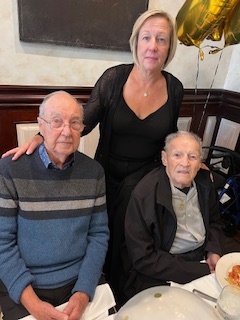
My father is 93 years young, living independently and able to walk for exercise. He lives a fairly active lifestyle, going every day to the local senior club. They go on trips each week which gives him a chance to get out and socialize. He has some age-related ailments, but for the most part, he is in great shape.

left to right, My Dad (blue shirt, 93), Me, My Uncle (90)
My father has always been a purpose driven man, getting his Bachelor and Masters Degree in his early 50s, while raising three children. He was a Police Officer in NYC and didn’t need to do that, but his drive pushed him to do so. My father always believed in education and building knowledge. When my mother was diagnosed with Alzheimer’s Dad’s sole purpose was to care for her. He did everything for her and treated her as if nothing had changed. When she was in a care center full time, his purpose was to be there every single day without fail and he was. See a post on his dedication here, The Notebook.

At my first session of a new six week learning program, the doctors were talking about longevity and brain health. It was stated that, research found people who had longevity, and were still cognitively sharp, engaged in common behaviors. Specifically, they engaged in physical exercise, ate more plant-centered diets and engaged their brains in complex tasks, leading a purpose driven life. When I heard that, I immediately thought of my father, who at 93 is cognitively sound.

My whole life I have taken after my father. I pray I have his longevity and cognitive health, for the women in my family have not been as lucky. My purpose, or why, is to avoid, or delay this fate. This purpose motivates me to learn, grow and move my body every day. I’ve learned that the risk of getting Alzheimer’s is not mainly driven by genetics. Approximately 3% of the total number of Alzheimer’s patients have specific genetic disease risks that cannot be avoided. Over 95% do not have that risk factor, meaning lifestyle and diet matter most in avoiding, or delaying onset of cognitive decline. (Sherazi, Dr.)

Diet and lifestyle matter, for what we do today and most importantly for our future. Here is what was shared regarding lifestyle choices for brain health and longevity.

Movement

We all should aim to move our bodies every single day for a minimum of 30 minutes. Brisk walking is highly recommended, as is tennis and racquet sports such as pickleball. The type of exercise we engage in matters. For brain health, it is recommended that we do the following:

  • Frequency – We need a regimented system of exercising, meaning organized and scheduled. Should be a minimum of 4-5 days per week for at least 30 minutes a day. Personally, I believe that brisk walks should be done daily for at least 30 minutes. The best time, in my opinion, is first thing in the morning to let the sunlight reset your circadian rhythm.
  • Strength – We lose muscle mass as we age. We need to engage in muscle-building routines, such as circuit machines, use of body weight or dumbells. We should work all the muscles in our body, but for brain health specific attention should be given to our legs. These large muscles keep us physically moving and are connected to vascular health.
  • Aerobic – We need to get our hearts pumping regularly as this increases blood flow through our bodies. Swimming, jogging or any other activity that increases your heart rate should be engaged in at least 3 times per week.
  • Consistency – This is a lifestyle, not a reach your target weight and stop. We are signing up to do this for life, as our life depends on it. I move every single day, as does my 93-year-old dad. When we stop moving, we start declining. Make a doable schedule and stick to it. I use my calendar and book it on there and I’m retired. If you are working, you will need to book this time for yourself and make it happen. For too many years, I skipped workouts. Those days are over.
  • **As with all recommendations it is imperative you speak to your health care provider about your specific abilities and limitations. Start slow and build up to these recommendations. I started with a slow walk around the block.

I’ve written many blogs on this topic if you’d like to read more, Move to Live, Healthy Lifestyle: Food, Exercise, and Joy in My Daily Routine

Lifestyle

  • Food – the research is clear that eating more plant based foods is good for our health. When my grandmother was alive, she advocated eating our fruits and vegetables, so this is not new. Processed foods need to be greatly reduced, better yet eliminated. Eat whole foods whenever possible. I eat whole food plant based and have been for six (6) months. I also do not eat any dairy products. I feel better than ever and will continue on this path. If giving up meat is not for you, you can greatly reduce your reliance on it as your main source of protein and increase your meatless days. Eat food that loves your brain, leafy greens and berries to name two. For more information on brain healthy food, see this https://www.health.harvard.edu/healthbeat/foods-linked-to-better-brainpower. Past blogs on my food choices – Change Our Thinking About Food, Eat to Live
  • Socialization – Far too many elderly people become isolated, due to various reasons. Ensure you have systems to keep you engaged with others built into your retirement plans. That is the main reason my husband and I moved when we retired. We loved our home, but knew the challenges to stay fully engaged and active would cause too much time alone at home. We had friends, but they were working still and to do anything, we would have had to constantly leave our area. We now have a full array of things to do right here in our community. Join a club, or senior center if you do not. Like my dad, who never wanted to join one, it gives him something to do each day and he’s around people. Isolation is not good for our brains.
  • Sleep -Quality sleep is one of the most critical aspects of our health. It is when our body rests, recharges and when our brain organizes and cleans out waste. Many people struggle to get fully restorative sleep, myself included. I am doing much better these days. I went into greater detail about getting quality sleep in the blog post – Sweet Dreams. I highly recommend you read it and work on your sleep, your life and brain health depend on it.
  • Stress – Stress almost killed me and it destroyed my health, no doubt about it. It takes a huge toll on us emotionally, physically and healthwise. We need to reduce our stress. Exercise, yoga, meditation and mindfulness all help. I wrote about these in great detail in these posts – Finding Myself, Just Breathe

Purpose

Some studies suggest that having a sense of purpose in life can be associated with increased longevity and a healthier life. A 2019 Harvard Health study found that people with a higher sense of purpose were less likely to die during a four-year study period, and less likely to die from heart, circulatory, or blood conditions. A 2022 study of older adults in the United States found that people with the strongest sense of purpose had a 15.2% lower risk of death, and that this association was stronger in women than men. 

I recommend your purpose be grounded in your why. Why do you want to be healthy? Why does this matter? Why do you get up each day? This will serve to motivate you to keep going when the going is tough. Believe me, my why keeps me focused and working toward my goal. It matters to me. Find what you are trying to achieve and ask why. Frame your decisions around that why.

I love learning and was an educator my whole career. I have been keeping my brain active in retirement, taking courses, along with completing my yoga certification. I am cooking in different ways now and needed to learn how to do that as well. All of the courses I’ve taken were connected to my why – to live a long, healthy, active life and keep my memories. I do not want to be a burden to my family, nor do I want them to watch me slip away, as my mother and grandmother did. I hope you will find your why and join me on this journey to reclaim your health.

I’d love to hear from you about your journey. Feel free to reach out to me via email at laurakump@reclaiminghealth.blog. You can find me on Instagram and Facebook as well, or just leave a comment below.

Balanced Diet vs. Supplements: Meeting Your Nutritional Needs

“Marketing is no longer about the stuff that you make, but about the stories you tell.” – Seth Godin

If I even think about something, it shows up as an advertisement on my Instagram feed, or Google within minutes. Sometimes it is scary how fast that happens. This marketing technique has been preying upon us in our weakest moments for years. As a former non sleeper, I can attest to how many items I have purchased in the wee hours of the morning. Many of those products have been related to my health journey and all made claims to have found the answer I was seeking.

I’m certain everyone reading this has also seen these advertisements pop up on their feed as well. Losing your hair; there’s a supplement, cream or oil to fix that immediately. Need to lose weight; there’s a product for easy weight loss without changing your eating, or adding exercise. Can’t sleep; there’s definitely many products to fix that, believe me I’ve tried a bunch of them. The list is endless, somehow our computers have advertisements for everything we are seeking. It’s actually a multibillion dollar business and most of us have fallen prey to it, purchasing at least one product along our journeys. I still have to stop myself from buying from these advertisements, as the urge is always there.

Supplements

I’ve written about supplements on this blog since 2016. Sadly, I’ve taken so many products on my health journey, without understanding anything about them. My philosophy has changed, as my knowledge has grown. I no longer look to buy and take supplements, rather I look to get as much nutrition as I can through the food choices I make. I’ve shifted my thinking from a supplement mindset to a complement mindset. If I take anything, it is to complement the foods I eat, not to replace or supplement them. I am proud to say that I am now only taking one multivitamin, specifically made for vegans and that’s it. There was a time I was taking 20 supplement pills a day, so this is huge! I have worked hard to trust that I can get what I need through eating healthy, whole foods and make conscious choices when planning my meals.

Our bodies are amazing and truly can function without us inserting all kinds of supplements made to “assist” it. Most supplements are not regulated and without truly understanding how they interact with our bodies, medications and each other, we could be treading in some dangerous waters taking them. In general, a healthy, balanced diet that includes fruits, vegetables, lean proteins, complex carbohydrates, and water can provide all the nutrients your body needs. That said, I am not saying we do not need supplements. It can be difficult to get everything we need without some form of supplementations. Specifically, some people need supplements to fill in gaps in their diet or correct vitamin or mineral deficiencies. What I am advocating for is to find out what your specific needs are before buying, or taking a bunch of targeted marketing supplements that promise you the world. I believe it is critical to know your specific needs, and if they can or cannot be met through dietary changes first.

Measuring Our Needs

A doctor, or registered dietitian, can help you determine if you are missing any important vitamins or minerals and may recommend supplements. I highly recommend you speak with your provider and ask them to run bloodwork to check your nutritional, hormone and enzyme levels. Blood tests check for nutritional deficiencies by measuring the levels of vitamins, minerals, and other nutrients in your blood. These tests can help you identify nutrients that you might not be getting enough of, or that you might be consuming too much. They can also help you determine if you need to take supplements. 

Some types of blood tests that can check for nutritional deficiencies include:

Individual tests: Check levels of specific nutrients like vitamins A, D, C, K, and B-complex vitamins, as well as antioxidants, beta carotenes, and enzymes 

Vitamin panel: Checks levels of 13 essential vitamins

Mineral panel: Checks levels of key minerals like calcium, copper, iodine, iron, magnesium, manganese, and zinc

Action Steps

  • Take inventory of your nutritional needs

I am not a doctor or health care provider. I highly recommend you seek medical advice from a certified dietician, or doctor about your specific nutritional needs.

  • Take inventory of your food and supplement intake

I recommend you take some time to look at your food intake and your supplement intake. If like me, you are relying too heavily on supplements, that’s a red flag that your food choices need work.

  • Make an appointment

Set up an appointment to get your blood levels checked, as that can give you a true window into your individual needs.

  • Learn more

Here are two older blogs I wrote on this topic. They are worth a read. Just a note, I was not eating whole food plant-based back then. Currently, I do not eat any meat, or dairy products.

Fake News about Supplements

Food Not Supplements

Also, read the following:

Dietary supplements: Do they help or hurt, Harvard Medical

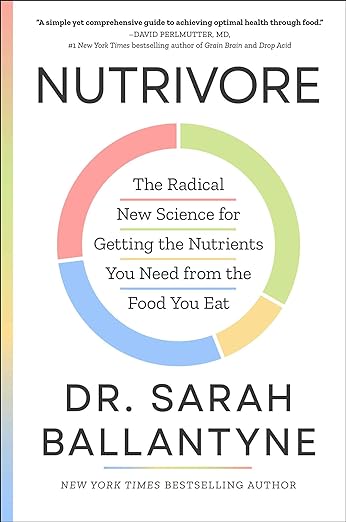
Currently reading this book and loving the simple, easy to understand common sense approach to nutrition. Highly recommend checking it out! Remember knowledge is always our super power. Further information below is from the publisher’s website:

Nutrivore is a paradigm shifting, comprehensive approach to nutrition that includes:

-An easy-to-follow plan for getting the full spectrum of nutrients we all need to reach our health goals, focusing on twelve foundational food families.

-Definitive science that identifies foods rich in the nutrients that treat common symptoms and ailments.-Comprehensive lists of foods and pain points that you can use to craft your own unique eating plan, such as eating magnesium

-rich leafy greens to help with headaches, potassium-packed sweet potatoes to help lower blood pressure, or molasses loaded with calcium to relieve PMS.

Products I Recommend

This is the vegan multivitamin I highly recommend and take. I like the company’s mission and ingredients. These are specifically designed to support your plant-based diet with the 8 missing or hard-to-get nutrients essential for your health and well-being.

If you have any questions about this blog, or wish to share your experiences with supplements, or targeted advertisements, kindly reach out to me at laurakump@reclaiminghealth.blog, on Instagram or Facebook, or in the comment section below.

*As an Amazon Associate, I may receive compensation for any items purchased. I only recommend products I personally use and love. Any purchase made is at no additional cost to you and helps offset the cost of running this blog. Thank you for your support.

Quick and Healthy Summer Meals: Smoothie, Buddha Bowl, and Light Snack

“Plants are infinite – this diet isn’t limiting and there’s so much more to explore! That’s what excites me about it most.” – Denai Moore on the Simply Vegan Podcast

As much as I love to cook, there are days that I am not able to spend as much time in the kitchen as I’d like. As Summer heats up, so does my calendar. Outdoor pickleball is now in full swing, as well as long bike rides and lazy pool days. We love to be outdoors, enjoying the weather and our community, but eating healthy is still important to us. To make things easier this year, I have three staple meals that I prep for, and rely on during the week if my time runs short for cooking. They are all super easy and packed with healthy nutrients to keep us satisfied, healthy, and full.

BREAKFAST:

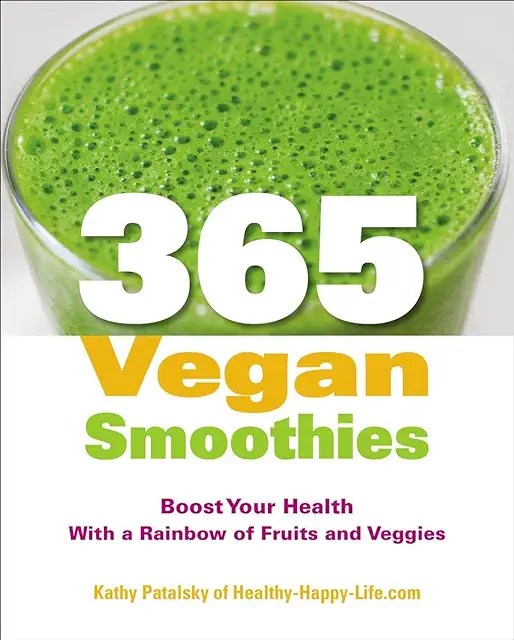
I need to be on the courts by 8 AM most days and hate to play sports after eating a meal. I don’t believe in skipping breakfast and do need the nutrients to power through my sessions. Most days a simple nutrient-packed smoothie keeps me full and satisfied for hours. In order to be prepared for this breakfast, I always have frozen organic berries on hand, as well as other mixed organic fruit options. I always have a container of green leafy vegetables on hand as well as frozen broccoli florets.

Basic Elements of Smoothie

  • Protein
  • Green vegetables (kale or spinach, sometimes broccoli)
  • Nut milk (unsweetened)
  • Fiber (in addition to what is in the fruit and vegetables, I add 1 date, 1 kiwi, OR 1/2 banana, all high in fiber)
  • Fruit (fresh or frozen berries, I like frozen because it chills the smoothie)
  • Seeds (hemp, chia & flax)
  • Red Beets (cooked)

Breakfast Smoothie Recipe

  • 1 cup of baby spinach in your blender
  • 1 tsp each flax, chia and hemp seeds
  • 1 red beet (I buy the cooked organic ones)
  • 1 cup frozen fruit (I used mixed berries)
  • 1 date
  • 1 peeled kiwi OR 1/2 bananna
  • 1 cup unsweetened nut milk (I use almond milk)
  • 3 tbsp unflavored Complement pea protein (optional)
  • Blend and serve (This will thicken if you don’t drink it immediately due to the chia and flax.)

DINNER:

We eat our main meal of the day at lunchtime, as it’s better for our sleep. We like to eat lighter later in the day, so lunch is our dinner meal. My favorite go-to, easy meal is known as a buddha bowl. Generally, a buddha bowl is an easy to assemble meal, using what you have on hand. Very often people utilize their left over food to ensure nothing goes to waste. In order to be prepared for buddha bowls, you need to have certain items prepped and ready. I like to prepare a cup of farro and store it in a container for use in our bowls. I also love to have some french lentils cooked and ready. Canned chickpeas, black beans and lentils are also great to have.

Basic Elements of Buddha Bowls

  • Base (Whole grains and greens, our favorites are farro, brown basmati rice, quinoa. We also love baby spinach or Japanese kale)
  • Protein (We are vegan, so we use canned chickpeas or tofu)
  • Vegetables (Any you’d like to add in, or have left-over)
  • Sauce (We are oil-free, so I look for vegan recipes and remove the oil)
  • Toppings/garnishes (We use seeds for toppings, flax, hemp, pumpkin, etc.)

How I Assemble the Buddha Bowl

  1. Layer 2 bases at the bottom of your bowl, for example, 1/3 cup farro and 1 cup baby spinach.
  2. Arrange vegetables on top of the grain. (I use leftovers mostly, but my favorites are chopped roasted baby peppers, broccoli, or carrots. As many as you like, I generally select 2. I also like to chop some cucumber to put into my bowl for some added crunch.)
  3. Add your protein. (I select 2, generally chickpeas and grilled tofu.)
  4. Add your toppings (I sprinkle 1 tsp of sesame seeds, hemp seeds, flax seeds, or pumpkin seeds on my bowl.)
  5. Separately, make your dressing, or get your purchased one ready by shaking.
  6. Drizzle 2 tablespoons of dressing over bowl and enjoy. These bowls are so refreshing, especially this time of the year.

SNACK MEAL

Our last meal of the day is something light. In the winter, we eat soup as it’s easy to put together. It is also easy for your body to digest soup before bed. In the warmer months, we often eat a chopped salad with berries, pomegranate seeds, tomato, pistachios, cherry tomatoes and chopped cucumber. We use fresh squeezed lemon juice for our dressing. I purchase a family-size container of organic salad greens. I wash and spin this dry, ensuring to dry the greens thoroughly. I then assemble the salad in a large bowl, or lasagna pan. I like to put the salad together without dressing, so we can grab it quickly during the week. This premade salad lasts about 3 days in the refrigerator without dressing.

As you can see, these three meal options are super easy to prepare and eat during your busy summer days. Of course, you can add in freshly cooked meals as your time allows. Homemade bean burgers are a quick and easy favorite for us. Eating healthy doesn’t have to be hard, tasteless, or boring. Just purchase and prepare a few staple items and you’ll have easy meals available to quickly assemble all summer long. These options are all delicious and the possibilities of ingredients are truly endless as there is so much fresh, seasonal produce to select from.

I hope you enjoy these meals. Please reach out and share some new ideas with me for quick meals. It’s important to stay on track for healthy eating, something that in the past I struggled with. Planning ahead does make things easier for me. Feel free to reach out to me at laurakump@reclaiminghealth.blog, on Instagram or Facebook, or in the comment section below.

The China Study: Reducing Health Risks with a Plant-Based Diet

In the next ten years, one of the things you’re bound to hear is that animal protein is one of the most toxic nutrients of all that can be considered. Quite simply, the more you substitute plant foods for animal foods, the healthier you are likely to be. – T. Colin Campbell

Recently, I overheard someone giving out health advice following a game of pickleball. It went something like this, “It’s easy to lose weight, if you want to. I’ll tell you what I did, I eat a lot of olive oil, eggs, meat and fruits and vegetables for snacks.” He then went on to talk about how he puts olive oil on his food because it’s so healthy, and eats meat because he needs a lot of protein and eggs for breakfast every morning. Basically, he was describing a low carbohydrate approach to losing weight, while consuming large amounts of protein and dairy foods. I believe some would call it a Paleo diet.

I happened to be standing there when the conversation occurred. I leaned in and suggested he do some research on the effects of consuming large amounts of dairy and animal protein. His response was, “You can’t get fat by eating meat.” Perhaps that statement has some truth to it, depending largely on the quality and quantity of meat products he is consuming. Sadly, though health is way more than just about being thin or fat. His habit of consuming meat products as a main source of protein, coupled with eggs daily, is setting him up for potential health risk of heart disease, diabetes or cancer. I did suggest he speak with his cardiologist, or a registered dietician, to help him craft a well balanced nutritional plan that meets his specific needs.

So many of us have bought into the food industries ideal of what and how to eat, or not eat, to become thin. Focusing on weight loss, to look a certain way, has certainly led me down many paths in my life. Keto, fasting, shakes and skipping meals, all focused toward reducing the number on my scale had no real impact on my overall health. I used to think thin people were inherently healthy, but I now know that our size doesn’t truly give the full picture of our actual health. Ever hear the term skinny fat?

China Study

When it comes to our health, the association between diet and other diseases such as diabetes and cardiovascular disease has been well documented. For example, the China Project is a survey of death rates for twelve different kinds of cancer for more than 2,400 counties and 880 million (96%) of China’s citizens, conducted jointly by Cornell University, Oxford University, and the Chinese Academy of Preventive Medicine over the course of twenty years.

Dr. T. Colin Cambell, author of The China Study, examined the connection between eating an animal-based diet and developing illnesses such as breast cancer, prostate cancer, colon cancer, diabetes, heart disease, obesity, autoimmune disease, brain disease such as Alzheimer’s and macular degeneration. His study concluded that diets high in protein, particularly animal protein, are strongly linked to diseases such as heart disease, cancer and Type 2 diabetes. Further, he states, “the findings from the China Study indicate that the lower the percentage of animal-based foods that are consumed, the greater the health benefits—even when that percentage declines from 10% to 0% of calories. So it’s not unreasonable to assume that the optimum percentage of animal-based products is zero, at least for anyone with a predisposition for a degenerative disease.”

For me, the idea that stood out the most was Dr. Campbell’s suggestion that the over consumption of protein-rich, animal-based foods is the real culprit of disease. This was what pushed me to finally make the commitment to living a fully plant based life.

Next Steps in Response

The science and research are pretty clear, in both the China Study and the Blue Zone study. You can dramatically reduce your risk of cancer, heart disease, and diabetes and increase your chances for longevity, just by changing your diet. Both of these studies advocated specific changes we can make to increase our health benefits. Personally, I have a predisposition for Alzheimer’s disease, as the women in my family have suffered from it. If making dietary changes gives me a better shot at avoiding, or delaying this fate, I am all in. Here are the next nutritional steps I would recommend to anyone wanting to take action based on these two studies.

  • Reduce, or eliminate animal products – I am fully eating whole food plant based for six (6) months now. That is what I felt I needed to do, based on my current health and familial health history. If you are not ready for that, consider at least drastically eliminating the amount of animal proteins you consume. You really don’t need to eat meat. Despite popular belief, you can get all the protein, fiber, vitamins and minerals you need from plants. Even if you are a serious athlete, you can perform at high levels while living a plant based lifestyle. Venus Williams, Cam Newton and many other athletes have shared their personal experiences with plant based diets.
  • Ensure variety and balance in food choice – I am committed to eating a variety of fruits, vegetables, grains and legumes each week. I east seasonal foods whenever possible and rotate through a variety of choices each week. I try to eat a minimum of 30 different types of plant foods each week, which is truly not hard to do at all. Eat the rainbow as they say. This variety helps keep our gut healthy and has a strong impact on our health. I shared more about this in a previous post Healthy Lifestyle: Food, Exercise, and Joy in My Daily Routine.
  • Increase fiber intake – I am very conscious of the body’s need for high fiber intakes and seek to eat a bare minimum of 30 grams a day. Ideally, I’d like to get closer to 50. Fiber is a critical component of any healthy diet plan and needed for optimal gut health. I share more about fiber in a past post Fiber Fueled. I get my fiber from my food choice, not in a bottle, though if needed there are supplements out there to at least get you started. Before taking anything, please speak to your health professional.
  • Eliminate intake of dairy products – I do not eat any dairy products at all. According to the China Study, there is a link between casein and cancer. I feel much less bloated without dairy products and believe my sleep has improved as well. Cheese is always the hardest to give up, but feeling well matters more to me than eating cheese. If you are not ready to give it up, perhaps you can cut back and make healthier choices when selecting cheeses to consume.

It wasn’t an easy shift to a whole food plant based eating, mainly because I didn’t know what to eat. My best advice is to focus on one meal at a time and give yourself grace as you go. I went cold turkey, but think it’s best to change one meal at a time. Take some time to eat a plant based breakfast each day for a week. Then change your lunch selections the next week. Lastly, rework your dinner. Another idea, if you just want to reduce your intake of animal products would be to implement meatless days into your week. Many people have meatless Monday on their dinner rotation. The China Study concluded that even a reduction of animal protein intake could improve health outcomes, so begin to rework some of your meals to get started. I shared some other ideas in these past posts you may want to read Change Our Thinking About Food, Eat to Live, Cooking to Nourish Your Mind, Body & Soul.

Conclusions

For me, this journey is truly a personal one, a promise I made to myself during the long goodbye said to my mother. As I watched her slip away, I vowed to try anything that would avoid having my children go through this painful existence. Losing a loved one is always hard, but losing them, while they are still here is even harder. Ronald Reagan called it, the long goodbye, in the letter he wrote when sharing his Alzheimer’s diagnosis. That is surely was. You can read more about my mother in these posts I’ve shared The Notebook and The Long Goodbye.

If you wish to read more about my personal transformative journey, I shared information in this post IRAH: Individual Retirement Account for Health – A Personal Transformation Journey.

I hope you will consider starting a personal journey for yourself to reclaim, or improve your health. It all starts with nutrition and what we eat. I hope you will reflect on your food choices and see what impact they are having on your current health. If you have any questions about any of my posts, feel free to reach out to me at laurakump@reclaiminghealth.blog, on Instagram or Facebook, or in the comment section below.

*This post may contain affiliate links for your convenience. As an Amazon associate, I may receive a small commission, at no additional cost to you. This helps me offset the cost of running this blog and I only recommend items I use and love. Thank you for your support.

Family Memories: Plant-Based Sunday Sauce Recipe

“Food for us comes from our relatives, whether they have wings or fins or roots. That is how we consider food. Food has a culture. It has a history. It has a story. It has relationships.” – Winona LaDuke

I often think of cherished moments shared in the kitchen with my family. The experience of cooking together, not only resulted in delightful meals, but has also forged enduring memories that hold special places in my heart. I can often feel the presence of my mother, grandmothers and aunts when I’m in the kitchen. Sometimes it’s the smells of a favorite recipe that takes me back, sometimes it’s the tastes, but it’s always so comforting to feel them with me. Food can evoke so much joy, both in the preparation of and gathering around the table to eat together.

These days, I’m eating differently and I’ve been challenged to feel that connection. My family recipes all include meat, dairy and eggs, so I’ve been trying to forge my own path in the plant based world without them. I know I am creating new family memories for my children and grandson, but also know my family misses some of our family staples. I’ve been trying hard to recreate those recipes, but it has not been an easy task. I know that it can be done and will continue on this journey and plan to collect the recipe for my children, along with the original family version.

Cooking has always been a big part of our family. When I was young, I used to wake up every Sunday morning and smell onions browning. That’s how I knew it was Sunday and a dinner of traditional German food was on the menu. Roast Pork with Spaetzle or Sauerbrauten with Potato Dumplings were staple Sunday dinners. My grandmother, Maria, would be joining us at the table and sometimes my cousins would join us a well. The table was always set with mom’s china and fancy glasses. To this day, whenever I smell onions browning, it takes me back to those childhood Sundays.

Growing up, my neighbor Rita was also a fabulous cook. Rita was an Italian immigrant, newly in the country and when sitting on the porch of our city row house, I could smell incredible smells coming from her front door. She took me in and taught me how she created her famous Sunday Sauce each week and boy was it fantastic. When I married, I began our own tradition of Sunday Sauce, something that continued up until this January, when I made the final shift to whole food plant based eating.

There have been so many great cooks in my family and life, whose memories are now seared into my heart, attached to the dishes and tables we shared. I wish they were all still physically here with me on this next part of my journey, but know they are always in my heart. I often do feel their presence in my kitchen, their gentle hands guiding and encouraging me forward.

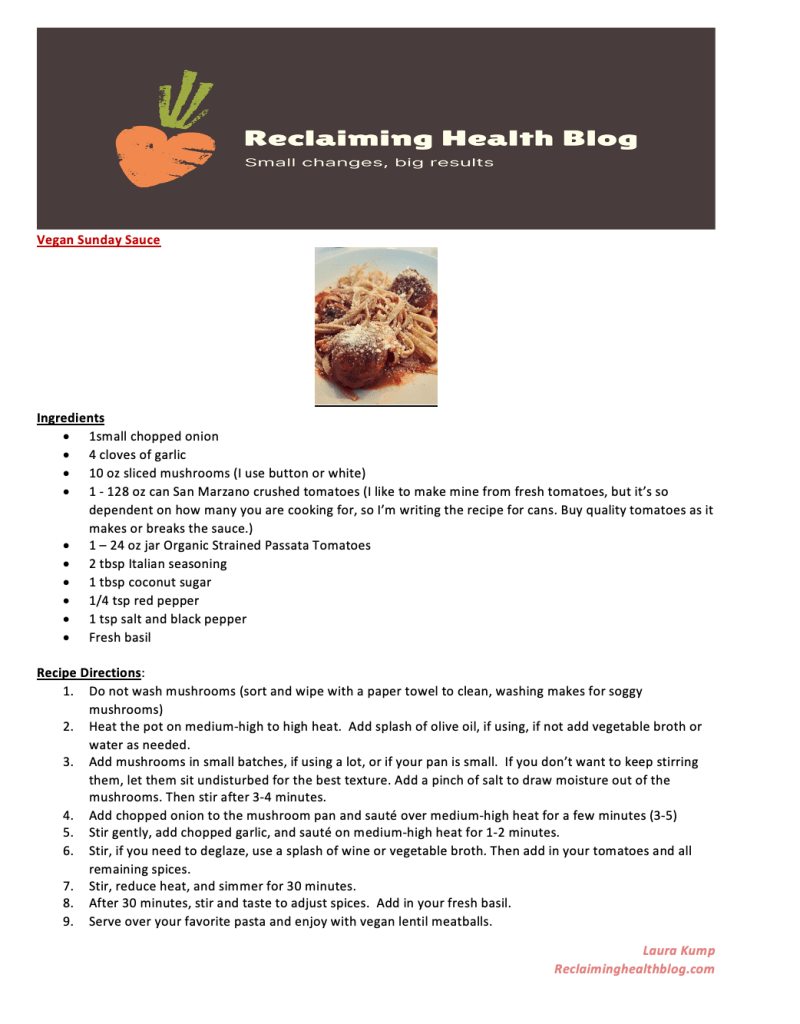
The first family meal I worked on to upgrade, by popular request of my children and grandson, was Sunday Sauce. Gone are the days of cooking it over slow heat with short ribs, sausage and pork ribs. Gone are my famous meatballs, my grandsons favorite, though I would make them for him if he asked, but I prefer not too. I’ve been experimenting with Sunday Sauce for a bit now and think I’ve come up with something that works for us. I am sharing the recipe below and hope you enjoy it. If you change something to make it better, please do share back with me. I am still experimenting with a few things, but believe this recipe is ready to be our families next Sunday Sauce dinner.

I think Rita would be proud of this plant based version of pasta with meatballs. I am working on a different mixture using walnuts and mushrooms as well, but have been pleased with this version. The meatballs are delicious in the air fryer and I don’t use oil when cooking them. The lentils pack a protein punch and I use pasta that is fiber rich and also has protein. I have been experimenting with homemade noodles, but haven’t yet perfected anything there.

I hope you enjoy cooking and playing with ingredients. That is where the memories are made. I hope to create new recipes that embody the essence of our family originals to ensure my family that plant based eating can be delicious, nutritious and healthy.

If you wish to speak with me about this post, or recipes shared, please feel free to reach out to me at laurakump@reclaiminghealth.blog, on Instagram or Facebook, or in the comment section below. Remember, I am newly on this path, so encouragement is always welcome when it comes to recipes and cooking. Thanks for reading and have a great week.

For other cooking posts I’ve written recently, please see Cooking to Nourish Your Mind, Body & Soul and Cookbook Recommendations.