Prioritizing Health: A Personal Journey to Wellness and Balance

“Your health account, your bank account, they’re the same thing. The more you put in, the more you can take out.”– Jack LaLanne

I’d like to follow up on last week’s blog, in which I discussed staying true to my personal wellness choices (Staying True to Whole Food Plant-Based Lifestyle: A Reflection). I’ve been reflecting all week on why this time, unlike others, I felt strong enough to stand firm in my decision. I believe I’m stronger now because I have a clear vision for what my balanced lifestyle entails. A balanced lifestyle is a way of living that aims to improve our wellness in all aspects of life, including: relationships, fitness, health, and emotional happiness. 

A Balanced Lifestyle Includes:

Sleep

Getting 7 to 8 hours of sleep each night is an important pillar in my life. Sleep can have so many implications on health, both negative and positive. I’ve struggled with sleep over the years and made it one of my first goals when I began this journey. Forming stronger sleep routines has truly changed my life. You can read more about the work I’ve done to improve my sleep in these two posts – Sleep Your Secret Weapon, Sweet Dreams. At the moment, I’ve been hitting my 8 hour sleep goal, but this is an area I still focus on.

Stress Reduction

Stress reduction is another key pillar. Stress without doubt wreaked havoc on my health. It was so bad that I wasn’t sure I’d ever get back to a healthy lifestyle. I was overweight, not sleeping, and most likely depressed. This was the lowest point of my health journey and I knew the only way to heal was to reduce my stress. I knew I not continue in my current situation.

COVID really changed the world and I was not exempt from that. A high stress job, coupled with personal events, created massive amounts of stress in my life. In 2023, three and a half years out from the onset of COVID shutdowns, I decided to walk away from the career I loved and devote my time and energy to my health. I’ve written about stress and my health in this blog post – Stress.

Social Connections

We are meant to journey through this life with others. Fostering and cultivating social connections and relationships is my third critical pillar. When we are too busy, or too tired to engage socially, we are missing out on an important part of wellness. Social connections can create feelings of belonging, being loved and valued. Who doesn’t want that? But, like everything else, relationships take work and time investments. It is definitely worth the effort, as strong social connections can have significant impact on our overall health. I’ve written more about social connections in this blog post – The Vital Role of Social Connections in Health and Wellness. I hope you’ll take the time to read it and then reach out to a friend, or loved one.

Nutrition

Eating a balanced diet, that your body responds too, is also an important pillar. Finding what works best for your body is the critical work we all need to do. There is not a one size fits all approach to nutrition and far too many competing options, which can be confusing. I’d recommend you spend your time figuring out the best path for you.

I chose my path, in consultation with my health professionals, by keeping a food journal and taking notes on how my body responded to certain foods. I noticed changes to my sleep, inflammation or bloating, along with other responses my body had to food. I used this knowledge to make the decision that for me, the best path was to shift to a whole food plant-based lifestyle. I’ve written about this nutrition journey in these posts – Change Our Thinking About Food, Eat to Live, The China Study: Reducing Health Risks with a Plant-Based Diet.

Movement

Movement has long been thought to be the most important piece of my health journey. While it is still one of my key pillars, I now know that it can’t be my only pillar, as I can’t use exercise to avoid everything else. I move my body daily and choose activities I enjoy. Walking twice a day is a staple daily activity that is non negotiable. I love playing pickleball as it’s great exercise and fosters strong social connection. Finally, I engage in yoga and strength training.

We all definitely need to move to stay healthy. It can’t be the only pillar we rely on though. Believe me, I tried to out run a bad diet for most of my life. I listen more to my body these days and pay attention, especially when I need to rest. That is something I never did in the past, to the point of consistently getting injured. I’ve written about my daily exercise routines in these blog posts – Move to Live, Healthy Lifestyle: Food, Exercise, and Joy in My Daily Routine

Prioritizing Health

A balanced lifestyle should include prioritizing your health above all else. It’s not about worrying over everything you do and labeling decisions good or bad. It’s about understanding the impact your lifestyle choices have on your wellbeing. I learned the concept of creating an IRHA – Individual Retirement Health Account, and make continuous deposits towards my longterm health. If you are living in balance, your deposits will outweigh your withdrawals. We all will make withdrawals as we live, but they are balanced out by many deposits along the way. I’ve written about this concept in this blog post – IRAH: Individual Retirement Account for Health – A Personal Transformation Journey

Next Steps

Ultimately, health balance is a deeply personal journey—one that requires self-reflection, and an unwavering commitment to your well being. It’s about finding what works for you and prioritizing your health. I hope you will take that first step. Here are a few more resources to get you started:

Baby Steps

Reclaiming Health: The Power of Taking the First Step

Longevity and Brain Health: Lessons from My 93-Year-Old Father

Healthy Lifestyle: Food, Exercise, and Joy in My Daily Routine

If you’d like to share your journey with us, please reach out via email at laurakump@reclaiminghealth.blog. I’d love to hear what’s working and not working for you. You can also reach out on Instagram, or Facebook, or in the comment section below.
Longevity and Brain Health: Lessons from My 93-Year-Old Father

“Caring for your body, mind, and spirit is your greatest and grandest responsibility. It’s about listening to the needs of your soul and then honoring them” – Kristi Ling

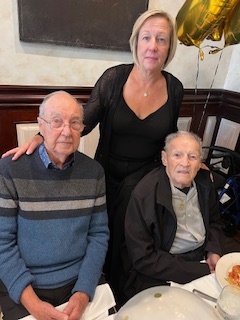
My father is 93 years young, living independently and able to walk for exercise. He lives a fairly active lifestyle, going every day to the local senior club. They go on trips each week which gives him a chance to get out and socialize. He has some age-related ailments, but for the most part, he is in great shape.

left to right, My Dad (blue shirt, 93), Me, My Uncle (90)

My father has always been a purpose driven man, getting his Bachelor and Masters Degree in his early 50s, while raising three children. He was a Police Officer in NYC and didn’t need to do that, but his drive pushed him to do so. My father always believed in education and building knowledge. When my mother was diagnosed with Alzheimer’s Dad’s sole purpose was to care for her. He did everything for her and treated her as if nothing had changed. When she was in a care center full time, his purpose was to be there every single day without fail and he was. See a post on his dedication here, The Notebook.

At my first session of a new six week learning program, the doctors were talking about longevity and brain health. It was stated that, research found people who had longevity, and were still cognitively sharp, engaged in common behaviors. Specifically, they engaged in physical exercise, ate more plant-centered diets and engaged their brains in complex tasks, leading a purpose driven life. When I heard that, I immediately thought of my father, who at 93 is cognitively sound.

My whole life I have taken after my father. I pray I have his longevity and cognitive health, for the women in my family have not been as lucky. My purpose, or why, is to avoid, or delay this fate. This purpose motivates me to learn, grow and move my body every day. I’ve learned that the risk of getting Alzheimer’s is not mainly driven by genetics. Approximately 3% of the total number of Alzheimer’s patients have specific genetic disease risks that cannot be avoided. Over 95% do not have that risk factor, meaning lifestyle and diet matter most in avoiding, or delaying onset of cognitive decline. (Sherazi, Dr.)

Diet and lifestyle matter, for what we do today and most importantly for our future. Here is what was shared regarding lifestyle choices for brain health and longevity.

Movement

We all should aim to move our bodies every single day for a minimum of 30 minutes. Brisk walking is highly recommended, as is tennis and racquet sports such as pickleball. The type of exercise we engage in matters. For brain health, it is recommended that we do the following:

  • Frequency – We need a regimented system of exercising, meaning organized and scheduled. Should be a minimum of 4-5 days per week for at least 30 minutes a day. Personally, I believe that brisk walks should be done daily for at least 30 minutes. The best time, in my opinion, is first thing in the morning to let the sunlight reset your circadian rhythm.
  • Strength – We lose muscle mass as we age. We need to engage in muscle-building routines, such as circuit machines, use of body weight or dumbells. We should work all the muscles in our body, but for brain health specific attention should be given to our legs. These large muscles keep us physically moving and are connected to vascular health.
  • Aerobic – We need to get our hearts pumping regularly as this increases blood flow through our bodies. Swimming, jogging or any other activity that increases your heart rate should be engaged in at least 3 times per week.
  • Consistency – This is a lifestyle, not a reach your target weight and stop. We are signing up to do this for life, as our life depends on it. I move every single day, as does my 93-year-old dad. When we stop moving, we start declining. Make a doable schedule and stick to it. I use my calendar and book it on there and I’m retired. If you are working, you will need to book this time for yourself and make it happen. For too many years, I skipped workouts. Those days are over.
  • **As with all recommendations it is imperative you speak to your health care provider about your specific abilities and limitations. Start slow and build up to these recommendations. I started with a slow walk around the block.

I’ve written many blogs on this topic if you’d like to read more, Move to Live, Healthy Lifestyle: Food, Exercise, and Joy in My Daily Routine

Lifestyle

  • Food – the research is clear that eating more plant based foods is good for our health. When my grandmother was alive, she advocated eating our fruits and vegetables, so this is not new. Processed foods need to be greatly reduced, better yet eliminated. Eat whole foods whenever possible. I eat whole food plant based and have been for six (6) months. I also do not eat any dairy products. I feel better than ever and will continue on this path. If giving up meat is not for you, you can greatly reduce your reliance on it as your main source of protein and increase your meatless days. Eat food that loves your brain, leafy greens and berries to name two. For more information on brain healthy food, see this https://www.health.harvard.edu/healthbeat/foods-linked-to-better-brainpower. Past blogs on my food choices – Change Our Thinking About Food, Eat to Live
  • Socialization – Far too many elderly people become isolated, due to various reasons. Ensure you have systems to keep you engaged with others built into your retirement plans. That is the main reason my husband and I moved when we retired. We loved our home, but knew the challenges to stay fully engaged and active would cause too much time alone at home. We had friends, but they were working still and to do anything, we would have had to constantly leave our area. We now have a full array of things to do right here in our community. Join a club, or senior center if you do not. Like my dad, who never wanted to join one, it gives him something to do each day and he’s around people. Isolation is not good for our brains.
  • Sleep -Quality sleep is one of the most critical aspects of our health. It is when our body rests, recharges and when our brain organizes and cleans out waste. Many people struggle to get fully restorative sleep, myself included. I am doing much better these days. I went into greater detail about getting quality sleep in the blog post – Sweet Dreams. I highly recommend you read it and work on your sleep, your life and brain health depend on it.
  • Stress – Stress almost killed me and it destroyed my health, no doubt about it. It takes a huge toll on us emotionally, physically and healthwise. We need to reduce our stress. Exercise, yoga, meditation and mindfulness all help. I wrote about these in great detail in these posts – Finding Myself, Just Breathe

Purpose

Some studies suggest that having a sense of purpose in life can be associated with increased longevity and a healthier life. A 2019 Harvard Health study found that people with a higher sense of purpose were less likely to die during a four-year study period, and less likely to die from heart, circulatory, or blood conditions. A 2022 study of older adults in the United States found that people with the strongest sense of purpose had a 15.2% lower risk of death, and that this association was stronger in women than men. 

I recommend your purpose be grounded in your why. Why do you want to be healthy? Why does this matter? Why do you get up each day? This will serve to motivate you to keep going when the going is tough. Believe me, my why keeps me focused and working toward my goal. It matters to me. Find what you are trying to achieve and ask why. Frame your decisions around that why.

I love learning and was an educator my whole career. I have been keeping my brain active in retirement, taking courses, along with completing my yoga certification. I am cooking in different ways now and needed to learn how to do that as well. All of the courses I’ve taken were connected to my why – to live a long, healthy, active life and keep my memories. I do not want to be a burden to my family, nor do I want them to watch me slip away, as my mother and grandmother did. I hope you will find your why and join me on this journey to reclaim your health.

I’d love to hear from you about your journey. Feel free to reach out to me via email at laurakump@reclaiminghealth.blog. You can find me on Instagram and Facebook as well, or just leave a comment below.

The China Study: Reducing Health Risks with a Plant-Based Diet

In the next ten years, one of the things you’re bound to hear is that animal protein is one of the most toxic nutrients of all that can be considered. Quite simply, the more you substitute plant foods for animal foods, the healthier you are likely to be. – T. Colin Campbell

Recently, I overheard someone giving out health advice following a game of pickleball. It went something like this, “It’s easy to lose weight, if you want to. I’ll tell you what I did, I eat a lot of olive oil, eggs, meat and fruits and vegetables for snacks.” He then went on to talk about how he puts olive oil on his food because it’s so healthy, and eats meat because he needs a lot of protein and eggs for breakfast every morning. Basically, he was describing a low carbohydrate approach to losing weight, while consuming large amounts of protein and dairy foods. I believe some would call it a Paleo diet.

I happened to be standing there when the conversation occurred. I leaned in and suggested he do some research on the effects of consuming large amounts of dairy and animal protein. His response was, “You can’t get fat by eating meat.” Perhaps that statement has some truth to it, depending largely on the quality and quantity of meat products he is consuming. Sadly, though health is way more than just about being thin or fat. His habit of consuming meat products as a main source of protein, coupled with eggs daily, is setting him up for potential health risk of heart disease, diabetes or cancer. I did suggest he speak with his cardiologist, or a registered dietician, to help him craft a well balanced nutritional plan that meets his specific needs.

So many of us have bought into the food industries ideal of what and how to eat, or not eat, to become thin. Focusing on weight loss, to look a certain way, has certainly led me down many paths in my life. Keto, fasting, shakes and skipping meals, all focused toward reducing the number on my scale had no real impact on my overall health. I used to think thin people were inherently healthy, but I now know that our size doesn’t truly give the full picture of our actual health. Ever hear the term skinny fat?

China Study

When it comes to our health, the association between diet and other diseases such as diabetes and cardiovascular disease has been well documented. For example, the China Project is a survey of death rates for twelve different kinds of cancer for more than 2,400 counties and 880 million (96%) of China’s citizens, conducted jointly by Cornell University, Oxford University, and the Chinese Academy of Preventive Medicine over the course of twenty years.

Dr. T. Colin Cambell, author of The China Study, examined the connection between eating an animal-based diet and developing illnesses such as breast cancer, prostate cancer, colon cancer, diabetes, heart disease, obesity, autoimmune disease, brain disease such as Alzheimer’s and macular degeneration. His study concluded that diets high in protein, particularly animal protein, are strongly linked to diseases such as heart disease, cancer and Type 2 diabetes. Further, he states, “the findings from the China Study indicate that the lower the percentage of animal-based foods that are consumed, the greater the health benefits—even when that percentage declines from 10% to 0% of calories. So it’s not unreasonable to assume that the optimum percentage of animal-based products is zero, at least for anyone with a predisposition for a degenerative disease.”

For me, the idea that stood out the most was Dr. Campbell’s suggestion that the over consumption of protein-rich, animal-based foods is the real culprit of disease. This was what pushed me to finally make the commitment to living a fully plant based life.

Next Steps in Response

The science and research are pretty clear, in both the China Study and the Blue Zone study. You can dramatically reduce your risk of cancer, heart disease, and diabetes and increase your chances for longevity, just by changing your diet. Both of these studies advocated specific changes we can make to increase our health benefits. Personally, I have a predisposition for Alzheimer’s disease, as the women in my family have suffered from it. If making dietary changes gives me a better shot at avoiding, or delaying this fate, I am all in. Here are the next nutritional steps I would recommend to anyone wanting to take action based on these two studies.

  • Reduce, or eliminate animal products – I am fully eating whole food plant based for six (6) months now. That is what I felt I needed to do, based on my current health and familial health history. If you are not ready for that, consider at least drastically eliminating the amount of animal proteins you consume. You really don’t need to eat meat. Despite popular belief, you can get all the protein, fiber, vitamins and minerals you need from plants. Even if you are a serious athlete, you can perform at high levels while living a plant based lifestyle. Venus Williams, Cam Newton and many other athletes have shared their personal experiences with plant based diets.
  • Ensure variety and balance in food choice – I am committed to eating a variety of fruits, vegetables, grains and legumes each week. I east seasonal foods whenever possible and rotate through a variety of choices each week. I try to eat a minimum of 30 different types of plant foods each week, which is truly not hard to do at all. Eat the rainbow as they say. This variety helps keep our gut healthy and has a strong impact on our health. I shared more about this in a previous post Healthy Lifestyle: Food, Exercise, and Joy in My Daily Routine.
  • Increase fiber intake – I am very conscious of the body’s need for high fiber intakes and seek to eat a bare minimum of 30 grams a day. Ideally, I’d like to get closer to 50. Fiber is a critical component of any healthy diet plan and needed for optimal gut health. I share more about fiber in a past post Fiber Fueled. I get my fiber from my food choice, not in a bottle, though if needed there are supplements out there to at least get you started. Before taking anything, please speak to your health professional.
  • Eliminate intake of dairy products – I do not eat any dairy products at all. According to the China Study, there is a link between casein and cancer. I feel much less bloated without dairy products and believe my sleep has improved as well. Cheese is always the hardest to give up, but feeling well matters more to me than eating cheese. If you are not ready to give it up, perhaps you can cut back and make healthier choices when selecting cheeses to consume.

It wasn’t an easy shift to a whole food plant based eating, mainly because I didn’t know what to eat. My best advice is to focus on one meal at a time and give yourself grace as you go. I went cold turkey, but think it’s best to change one meal at a time. Take some time to eat a plant based breakfast each day for a week. Then change your lunch selections the next week. Lastly, rework your dinner. Another idea, if you just want to reduce your intake of animal products would be to implement meatless days into your week. Many people have meatless Monday on their dinner rotation. The China Study concluded that even a reduction of animal protein intake could improve health outcomes, so begin to rework some of your meals to get started. I shared some other ideas in these past posts you may want to read Change Our Thinking About Food, Eat to Live, Cooking to Nourish Your Mind, Body & Soul.

Conclusions

For me, this journey is truly a personal one, a promise I made to myself during the long goodbye said to my mother. As I watched her slip away, I vowed to try anything that would avoid having my children go through this painful existence. Losing a loved one is always hard, but losing them, while they are still here is even harder. Ronald Reagan called it, the long goodbye, in the letter he wrote when sharing his Alzheimer’s diagnosis. That is surely was. You can read more about my mother in these posts I’ve shared The Notebook and The Long Goodbye.

If you wish to read more about my personal transformative journey, I shared information in this post IRAH: Individual Retirement Account for Health – A Personal Transformation Journey.

I hope you will consider starting a personal journey for yourself to reclaim, or improve your health. It all starts with nutrition and what we eat. I hope you will reflect on your food choices and see what impact they are having on your current health. If you have any questions about any of my posts, feel free to reach out to me at laurakump@reclaiminghealth.blog, on Instagram or Facebook, or in the comment section below.

*This post may contain affiliate links for your convenience. As an Amazon associate, I may receive a small commission, at no additional cost to you. This helps me offset the cost of running this blog and I only recommend items I use and love. Thank you for your support.

Move to Live

“…but I now consider exercise to be the most potent longevity “drug” in our arsenal, in terms of lifespan and healthspan. The data are unambiguous: exercise not only delays actual death but also prevents both cognitive and physical decline, better than any other intervention.”
― Peter Attia, Outlive: The Science and Art of Longevity

When I was an educator, we had an initiative called, Move to Improve that was instituted by the city as a means to draw attention to health and wellness. The main focus was on the benefits of exercise to student health and its connection to improved learning. When I think of moving these days, my focus is still on the connection of exercise to my overall wellness, but also am focused on healthy longevity. Nutrition is often thought of as the most important of the health pillars, however, movement could actually be far more important. Dr William Sears, lists movement as a key component in his pillars for healthy living and states, “sit less, move more, live longer“.

Doing less sitting and moving more, can be tied to living longer. Replacing 30 minutes per day of sedentary time with 30 minutes of physical activity at a light intensity was associated with a 17% lower risk of early death in a study published in the American Journal of Epidemiology. Thirty minutes (30) would be your minimum movement per day and is a good starting point for many beginning a health journey, after long periods of being sedentary. It can be an simple as a 30 minute walk per day to begin. It is where I began my journey as well, and a commitment I made to myself, that no matter what the day brings, I would get at least a 30 minute walk every day outside in nature. I have kept this promise to myself for over a year now and it has had a huge impact on both my physical and emotional wellness.

Obviously, the hope is that you continue to increase your movement as you feel healthier and more able. I will share my journey to increase movement over the past year below. I would caution you to ease into any new routine and always have a physical with your medical professional before staring any exercise program.

Walking

Terribly out of shape, this former long distance runner needed to start slowly after a year and a half of not moving following a running injury. I made a commitment to myself to walk AT LEAST 30 minutes outside in nature every day. I simply walked my dog for 30 minutes every day. Being outside in nature is great for mental wellness, so please do leave the headsets home and enjoy the sights and sounds.

Tracking Movement

I’ve shared before that I wear a Fitbit tracker on my wrist every day. I now shoot for 10,000 steps each day, but when I started out I shot for 5,000, then increased to 8,000. It’s best to set goals that you will meet at first, because that will motivate you to continue. The tracker counts all movement, so even just walking in your house will get you credit. I never realized how sedentary I truly was until I wore the tracker. The one I linked is currently on a great sale now at Amazon at 25% off. I also wear this to bed to track my sleep (see my post on sleep here) every night, so it’s a win win device for wellness.

Yoga

I was far away from the shape I was in when I used to do daily power yoga classes, but that was just fine. I returned to my yoga practice, taking it slowly. I started out with very gentle Hatha yoga classes, which involved seated poses and stretching of muscles. As I improved, I moved to gentle flow classes and gradually increased the difficulty. Yoga is truly a key to my overall wellness program. It keeps my muscles supple, strengthens, improves breathing through breath work and improves my emotional wellness. I highly recommend yoga to anyone seeking to improve their wellness. It is accessible to any one, as you can modify it to suit your body. You can even take a chair yoga class when starting. Don’t hesitate to take yoga, you don’t have to be “fit” to start, just start. (Read my post on yoga here.)

Strength Training

As we age we lose muscle mass, strength and function, starting as young as 30 years old. The good news is that we can offset these loses through strength training. You don’t have to join Crossfit to build muscle, though it is a fabulous workout. Light weights, body weight movements, or use of circuit machines are a great option to add into your wellness routine. I try to do light weight training, combined with body weight exercises at least 2x a week. I did not start this immediately when returning to exercise, rather, when I felt ready, added it in. I use light dumbells, the Smith machine barbell at the gym, push ups and hanging pull ups mainly in my current routine. Start with a 3 pound dumbell and work your way up from there.

Aerobic Exercise

In order to improve fitness, strength, stamina, mood and cardiovascular health, I worked my way back to including aerobic exercise in my weekly exercise routine. It took me several months to get there, as I slowly increased my readiness. I love playing pickball and play at least 3 times each week, year round. I would love to get back to running regularly, but will never run long distance again. It’s just not necessary. I have been running one mile occasionally and it does feel good. Building our aerobic capacity is an important component of your wellness journey, so begin to think about what you enjoy doing. There are many options including, swimming, biking, interval training, running, tennis, pickleball, etc.

Balance

Balance is key. Do not overdo fitness, especially at first. Remember, we are in this for the long term, quite literally. Make a plan for your week and ensure you include rest days. That doesn’t mean you are sedentary, you still should have at least 30 minutes of movement. Remember walking is the easiest and most powerful tool in your fitness regime.

In his book, Outlive:The Art and Science of Longevity, Peter Attia, MD provides us with a guide to understanding why and what we should be doing to potentially offset chronic disease and live a longer and healthier life. He writes and explains in quite clear and understandable language. I am truly grateful to have come across this book and thoroughly enjoyed reading it. I highly recommend you become more informed about aging and longevity, even if you are under 30. It is critical to understand that the choices we make have implications on us in the future. Changing our stance from treating illnesses we develop later in life, to living better now to prevent their development will serve us all well. I for one have been on this path for quite some time now and am still far from an expert. I am just living my best life and planning for my future self. I hope you’ll take the time out to read this book, but if not, I hope you’ll take time out to reexamine your daily movement and exercise routines. Your future self will thank you, as will your family who will enjoy more quality time spent with you.

If you have any questions, or comments about my blog, please do feel free to reach out to me at laurakump@reclaiminghealth.blog, on Instagram, Facebook, or in the comment section below.

*As an Amazon associate, I may receive compensation for any of the links I have provided. This helps offset the cost of running my blog, so I thank you in advance.