
Quick and Healthy Summer Meals: Smoothie, Buddha Bowl, and Light Snack

“Plants are infinite – this diet isn’t limiting and there’s so much more to explore! That’s what excites me about it most.” – Denai Moore on the Simply Vegan Podcast

As much as I love to cook, there are days that I am not able to spend as much time in the kitchen as I’d like. As Summer heats up, so does my calendar. Outdoor pickleball is now in full swing, as well as long bike rides and lazy pool days. We love to be outdoors, enjoying the weather and our community, but eating healthy is still important to us. To make things easier this year, I have three staple meals that I prep for, and rely on during the week if my time runs short for cooking. They are all super easy and packed with healthy nutrients to keep us satisfied, healthy, and full.

BREAKFAST:

I need to be on the courts by 8 AM most days and hate to play sports after eating a meal. I don’t believe in skipping breakfast and do need the nutrients to power through my sessions. Most days a simple nutrient-packed smoothie keeps me full and satisfied for hours. In order to be prepared for this breakfast, I always have frozen organic berries on hand, as well as other mixed organic fruit options. I always have a container of green leafy vegetables on hand as well as frozen broccoli florets.

Basic Elements of Smoothie

  • Protein
  • Green vegetables (kale or spinach, sometimes broccoli)
  • Nut milk (unsweetened)
  • Fiber (in addition to what is in the fruit and vegetables, I add 1 date, 1 kiwi, OR 1/2 banana, all high in fiber)
  • Fruit (fresh or frozen berries, I like frozen because it chills the smoothie)
  • Seeds (hemp, chia & flax)
  • Red Beets (cooked)

Breakfast Smoothie Recipe

  • 1 cup of baby spinach in your blender
  • 1 tsp each flax, chia and hemp seeds
  • 1 red beet (I buy the cooked organic ones)
  • 1 cup frozen fruit (I used mixed berries)
  • 1 date
  • 1 peeled kiwi OR 1/2 bananna
  • 1 cup unsweetened nut milk (I use almond milk)
  • 3 tbsp unflavored Complement pea protein (optional)
  • Blend and serve (This will thicken if you don’t drink it immediately due to the chia and flax.)

DINNER:

We eat our main meal of the day at lunchtime, as it’s better for our sleep. We like to eat lighter later in the day, so lunch is our dinner meal. My favorite go-to, easy meal is known as a buddha bowl. Generally, a buddha bowl is an easy to assemble meal, using what you have on hand. Very often people utilize their left over food to ensure nothing goes to waste. In order to be prepared for buddha bowls, you need to have certain items prepped and ready. I like to prepare a cup of farro and store it in a container for use in our bowls. I also love to have some french lentils cooked and ready. Canned chickpeas, black beans and lentils are also great to have.

Basic Elements of Buddha Bowls

  • Base (Whole grains and greens, our favorites are farro, brown basmati rice, quinoa. We also love baby spinach or Japanese kale)
  • Protein (We are vegan, so we use canned chickpeas or tofu)
  • Vegetables (Any you’d like to add in, or have left-over)
  • Sauce (We are oil-free, so I look for vegan recipes and remove the oil)
  • Toppings/garnishes (We use seeds for toppings, flax, hemp, pumpkin, etc.)

How I Assemble the Buddha Bowl

  1. Layer 2 bases at the bottom of your bowl, for example, 1/3 cup farro and 1 cup baby spinach.
  2. Arrange vegetables on top of the grain. (I use leftovers mostly, but my favorites are chopped roasted baby peppers, broccoli, or carrots. As many as you like, I generally select 2. I also like to chop some cucumber to put into my bowl for some added crunch.)
  3. Add your protein. (I select 2, generally chickpeas and grilled tofu.)
  4. Add your toppings (I sprinkle 1 tsp of sesame seeds, hemp seeds, flax seeds, or pumpkin seeds on my bowl.)
  5. Separately, make your dressing, or get your purchased one ready by shaking.
  6. Drizzle 2 tablespoons of dressing over bowl and enjoy. These bowls are so refreshing, especially this time of the year.

SNACK MEAL

Our last meal of the day is something light. In the winter, we eat soup as it’s easy to put together. It is also easy for your body to digest soup before bed. In the warmer months, we often eat a chopped salad with berries, pomegranate seeds, tomato, pistachios, cherry tomatoes and chopped cucumber. We use fresh squeezed lemon juice for our dressing. I purchase a family-size container of organic salad greens. I wash and spin this dry, ensuring to dry the greens thoroughly. I then assemble the salad in a large bowl, or lasagna pan. I like to put the salad together without dressing, so we can grab it quickly during the week. This premade salad lasts about 3 days in the refrigerator without dressing.

As you can see, these three meal options are super easy to prepare and eat during your busy summer days. Of course, you can add in freshly cooked meals as your time allows. Homemade bean burgers are a quick and easy favorite for us. Eating healthy doesn’t have to be hard, tasteless, or boring. Just purchase and prepare a few staple items and you’ll have easy meals available to quickly assemble all summer long. These options are all delicious and the possibilities of ingredients are truly endless as there is so much fresh, seasonal produce to select from.

I hope you enjoy these meals. Please reach out and share some new ideas with me for quick meals. It’s important to stay on track for healthy eating, something that in the past I struggled with. Planning ahead does make things easier for me. Feel free to reach out to me at laurakump@reclaiminghealth.blog, on Instagram or Facebook, or in the comment section below.
Healthy Lifestyle: Food, Exercise, and Joy in My Daily Routine

“Health isn’t about being “perfect” with food or exercise or herbs. Health is about balancing those things with your desires. It’s about nourishing your spirit as well as your body.”
Golda Poretsky

Many have asked me about what I eat, how much I exercise, how many days I work out and other questions about my daily life. This week, I’d like to share what a typical day looks like for me. I am not a medical doctor, nor am I am I advocating you eat what I do. I am merely sharing my routine, in the hope you reflect on yours and consider ways to ensure you are setting yourself up to live a long and healthy life. As wellness is truly a personal journey, we all need to find what works for our lives and our bodies. This is what works for me, after many years of trying and failing.

Food

As you know, I eat whole food plant based, dairy and oil free. Many have asked me how this is different from vegan. The simple answer is that vegan is a lifestyle choice based on personal beliefs regarding animal cruelty, the environment, health and can include processed foods. Most vegans do not purchase any products, including clothing and shoes made from animals. Whole Food Plant Based is a lifestyle choice based on health and wellness and centers around food choices. It also includes wanting to protect animals and the environment, but does not include processed foods. I am sure there are other areas to include in the difference, but that’s my short answer.

I try to eat a minimum of 30 different plants across the week. It’s not hard to do at all as you’ll see in my sample day. The trick is to eat a variety of plants and fruits, or eat the rainbow of colors. Variety is key to a healthy gut, so don’t just eat the same foods day after day. For example, if you eat baby spinach, don’t use it in the smoothie, salad and at dinner. There are so many other greens that have great benefits for your wellness. Here’s a sample day for me:

  • Breakfast – I like to make a smoothie most mornings, as it’s easy and helps ensure I get extra plants in. Today I had, almond milk, kale, red beet, kiwi, date, blueberry, hemp seed, chia seed, flaxseed, cinnamon, avocado, organic pea protein (11 plants)
  • Snack – I don’t always have snacks as the shake keeps me full. Sample snack, 1/2 banana and walnuts, or hummus and vegetable sticks, any fruits with almond milk yogurt.
  • Lunch – I eat my dinner at lunchtime, whenever possible. Yesterday, we had leftovers – Basil Pesto over pasta with broccoli, roasted tomatoes and tofu. The pasta was whole wheat, high fiber fettuccine. (4 plants)
  • Dinner – I generally eat a light dinner. If I didn’t have a smoothie for breakfast, I will have it for dinner. Otherwise, I eat a big salad bowl full of plants, or a soup. Yesterday, I had a big salad bowl of arugula, baby spinach, strawberries, pumpkin seeds, mini peppers (red, yellow, orange) and cucumbers. (8 plants) (23 total plants for day)

Eating the main meal earlier in the day helps my digestion and improves my sleep patterns for the night. It also aligns with the rhythm of the day better as in the evening the body is preparing to slow down for rest. When I was working, this involved packing my main meal to eat at work, or ordering food in to eat. It can be done, but requires better planning. I included plant counts merely to show how easy it would be to eat 30 plants across your week. I’ve already had 23 in one day. For me, the key was ensuring I was getting a variety of plants. This led me to stop buying food in bulk. Buying everything in bulk may be more cost effective, but that sets me up to eat the same fruits and vegetables every day. Since, I am seeking variety, I buy the smaller packages now and vary what I eat daily. This also keeps the food more interesting.

If you want to read more about my eating, consider reading these posts I’ve shared – Change Our Thinking About Food, Fork Power, Cooking to Nourish Your Mind, Body & Soul, Cookbook Recommendations

Exercise

  • Walking – When I started this journey, I had difficulty walking around the block! Walking was my go to exercise and one I still incorporate into my day, every day. Walking doesn’t require a gym membership and can be done alone, or with a friend. I tend to prefer to walk alone, but do bring my dog with me on my daily walks. I walk every single day, regardless of the weather, for a minimum of 30 minutes. This, for me, is about 1.5 miles of distance. I walk outside in nature, as I want the added benefits that provides. Walking in nature is great for your mental wellness, so please if you can avoid the treadmill, you may find you enjoy walking more than you thought.
  • Pickleball -I play pickleball at least 4 days a week, sometimes more during the season. It’s a great form of aerobic exercise and I truly love the social connections I’ve made.
  • Yoga – I practice yoga 2-3 days a week both in studio and at home. This keeps me flexible and is also great for my mental wellness.
  • Weight Training – I try to lift weights, or use the machines at the gym at least 1-2 times a week.

I highly recommend finding a group sport you enjoy and adding it to your week. There are many elderly people out there on pickleball courts across our country. At my indoor facility, we have an 82 year old woman who plays to win daily. Yoga is also for every body and can be modified to meet you where you are. The benefits are many and I do believe you will come to love how you feel in a very short time. Lastly, I am an early riser, so much of the gym, sports and yoga occur before lunch daily. Walking happens after lunch, or dinner. Like food we eat, I believe we benefit from engaging in a variety of exercise. I have shared more about my exercise in prior posts found here Move to Live, Svadhyaya – Study of Self,

Finding Joy

For me, this journey is about finding myself, my health and above all joy. For far too long, I focused too heavily on counting calories and stressed myself out. Life is not meant to be lived that way and honestly, I was never successful with that approach. Counting plants, something I mentioned above, is something I did in the first week of eating whole food plant based. Once I realized how simple it was, I’ve not counted again. It is something you need to stress over if you eat whole food plant based meals, unless you have a specific health issue. Nothing to count, not calories, macros, micros or anything else. Just eat whole foods and ensure you eat a variety of plants and fruits. I feel healthier than I have in years, perhaps decades. I’ve shared so many posts about my journey, on my blog over the years. I hope you’ll take some time to revisit these most recent posts – Try Something New, IRAH: Individual Retirement Account for Health – A Personal Transformation Journey, Stress, Eat to Live, The Compound Effect, Hold On

I hope this helps to give you an idea of my daily life. If you take time to visit some of the links I’ve shared to prior posts, perhaps you’ll find information on areas that interest you. I am so excited to have made it out of the winter weighing less than I did going into it. Generally, in the past, I gained weight and lost motivation over the winter months, leaving me to have to start over. This year, I’m heading into the summer stronger than ever and looking forward to continued health improvements. I truly hope you will join me. I am available to discuss your current questions, ideas and needs. Feel free to reach out to me at laurakump@reclaiminghealth.blog, on Instagram or Facebook, or in the comment section below. Thanks for reading and have a great and healthy week.

Fiber Fueled

“Less than 5% of the US population gets the recommended amount of fiber, which itself is probably too low. We’re told we should be getting 35 grams a day, the average American is getting like 15.” – Ocean Robbins on the Darin Olien Podcast

What a wonderful week I’ve spent watching and learning at the 2024 Food Revolution Network Summit. Thank you to John and Ocean Robbins and team for putting together this incredible summit and docuseries, viewed by millions. I have been watching and rewatching the sessions and taking notes on my learning. One area of particular interest to me, as you know, is brain health. I shared some of my takeaways from the brain session in last week’s post found here, Fork Power.

Another interesting topic I’d like to share information on is the importance of fiber in our diets. This topic was extremely important for me when I started my journey toward whole food plant based eating this year. At my unhealthiest point, when I decided to retire and move, my eating was at its worst point. I’d moved away from any semblance of heathy and just gave in to convenience. In all honesty, I had no idea the importance of fiber in my diet and in all candor, it was likely nonexistent. I literally ate no vegetables and no fruit and lived on take out comprised of pizza, sandwiches, empanadas, Chinese food (with minimum vegetables) and when trying to eat healthy, dairy fueled flavored yogurts.

When we moved to our new house and my father was living with us, I had to cook three meals a day. I fell back on old habits and made eggs, pancakes and oatmeal for breakfast on rotation. Lunch consisted of cold cut meats on rye or white bread. Dinner was breaded and fried chicken cutlets, rice and a vegetable (I ate like one piece of broccoli and left them the rest.). I also made my famous Sunday sauce each week flavored and filled with sausage, short ribs, pork ribs and my meatballs. This sauce was served over pasta, or cheese filled lasagna. My father did eat fruits that he purchased every day, but I was not eating any. I knew I had to do better, I even had an idea what to do, but I just didn’t do it. Sadly, I am not unique. As stated by Ocean Robbins in a recent Darin Olien podcast, “Two-thirds of our population is overweight or obese. You think people don’t know that they need to eat less crap, less total calories, and more healthy food. Of course, we all know, but we’re not doing it. And so the issue isn’t so much knowing what to do, in some cases it’s doing what we know.”

Fiber

After six months of cleaning up my eating and losing weight, I had blood work taken. My LDL levels had not decreased as I expected and in fact had increased. I was devastated. I began googling how to lower LDL levels and kept coming back to articles on increasing fiber. I then began googling best ways to increase fiber to lower my LDL and kept getting articles on supplementation. It seemed Metamucil was the answer. Yes, I will say I began taking Metamucil gummy supplements daily, but they were expensive and I honestly knew there must be a more natural way to increase my fiber intake. This is when I took a deeper dive into fiber and why it is critical to our health.

What is Fiber

Fiber is found in the cell walls of plants and passes through our digestive systems whole when we eat it. Fiber acts as fuel for healthy bacteria in our gut and is critical for us to have in our diets. There are two types of fiber, soluble and insoluble. Soluble fiber slows down digestion which can help with the absorption of nutrients, balance blood sugar levels and cholesterol. Insoluble fiber adds bulk to your stools and promotes healthy bowel movements. It acts like a broom, cleaning out your digestive tract.

Where is Soluble and Insoluble Fiber Found?

You can get both soluble and insoluble fiber in all vegetables and fruits, as many plant based foods have both. Soluble fiber is found in foods like whole grains, beans, nuts and seeds, as well as some fruits and vegetables. Insoluble fiber is found in whole grains, vegetables, and wheat bran. Where you do not find fiber is in the diet I was consuming, processed foods, meat, dairy products, eggs, fish and oils.

Benefits of Fiber

Fiber helps your body eliminate toxins through the digestive tract. It keeps things moving and can help you have regular bowel movements. Getting enough fiber increases the prebiotics, or good bacteria in our guts. Fiber can also help you lose weight, as the increase of fiber intake has been shown to increase your feelings of fullness, leading to less intake of food. As an added bonus, fiber rich foods are lower in calories than processed foods. Mainly, this week, they discussed that, fiber is an essential part of your waste removal system – constantly eliminating carcinogens before they become a problem.

Ways to increase Fiber Intake

The first thing I did to increase my fiber intake was add in more vegetables and fruits. I changed over to a whole food plant based diet and even then had to really think about how much I was eating to ensure I was getting enough. To ensure I am meeting my goals every day, I add vegetables and fruits to my smoothie each morning. I have a big salad every day that contains vegetables, fruits, nuts and seeds. I also eat whole grains and beans every day. In all honesty, I wasn’t eating ANY of those things on a regular basis seven months ago. Other ways to increase fiber intake:

  • Find out what foods are highest in fiber. Examples, kiwi fruit, dates, french lentils are all high in fiber, so I include them in my food rotation. Added bonus, they are all delicious!
  • Choose whole grain instead of white flour products
  • Choose beans over beef, chicken or fish
  • Choose oatmeal in place of breakfast cereals
  • Snack on fiber rich foods, such as popcorn (no butter or oil used or added), bananas with walnuts, sliced apples with peanut butter, or carrots and hummus

The possibilities are endless, the main thing is to research fiber content in foods you are eating. Here is a helpful list to check when going food shopping, courtesy of Web MD, https://www.webmd.com/cholesterol-management/features/fiber-groceries.

Learn More About Fiber

*This post may contain affiliate links for your convenience. As an Amazon associate, I may receive a small commission, at no additional cost to you. This helps me offset the cost of running this blog and I only recommend items I use and love. Thank you for your support.

Fiber Fueled: The Plant-Based Gut Health Program for Losing Weight, Restoring Your Health, and Optimizing Your MicrobiomeThis book truly helped me understand, on a basic level, the importance of fiber in my diet. I honestly had no idea and having eliminated so many foods from my diet after trying all the latest diet fads, I was dangerously low on fiber intake. Excellent resource, even if you are not plant based, to learn not only the importance of fiber, but how to increase your intake of it
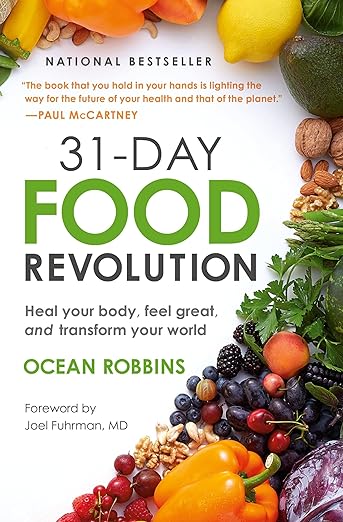
31-Day Food Revolution: Heal Your Body, Feel Great, and Transform Your World, by Ocean Robbins – This book introduced me to the wonderful team of Ocean and John Robbins of The Food Revolution Network. I’ve learned so much from them and this book opened me to the possibilities of changing my life, through changing what I was eating. I will be forever grateful to them. A great, easy introduction to the power of food to our health.

In Closing

Now that the word fiber is in your head, spend some time learning more about it and the importance of ensuring you are getting enough of it in the foods you currently eat. Begin to read labels and consciously think about the foods you put on your plate and in your mouth. Your life truly does depend on it. I know there are way more glamorous fad diets calling you with promises of quick results, but I also know that you will end up right back where you started after you do one of those. I know because I’ve tried them all. The best results I’ve had has come from educating myself on nutrition and understanding the important role our food choices play in our health and life. I hope you join me on this journey. As always, I am available for conversation and questions about my post, or wellness journey. You can reach me at laurakump@reclaiminghealth.blog, on Instagram or Facebook, or in the comment section below. Thanks for reading!

Sugar Sugar

Sugar caused obesity, tooth decay, and diabetes long before anyone ever heard of a calorie. – Case Against Sugar

In the book, Case Against Sugar, Gary Taubes states,Sugar is not just a delicious pleasure. It is a toxic substance that is wreaking havoc on our bodies and our brains.” Sugar is lurking in all foods, especially processed foods. When you start reading food labels for more than just the calorie counts, you find sugar has many fancy names to hide behind. Next time you go shopping, pick up any item you are buying and scan the food labels. Look down beneath where you usually look and seek out the list of ingredients. There you will likely find many words you cannot even pronounce and many different names for sugar. These include common names, such as sucrose and high-fructose corn syrup, as well as barley malt, dextrose, maltose and rice syrup, among others. Healthline Nutrition provides a list of 56 names for sugar on their website found here.

One of the good things about eating whole food plant based, or whole food diets is that by eliminating processed foods, we are eliminating a main source of sugar intake. There are different schools of thought on sugar intake when eating whole foods, but I believe in eliminating all refined sugars and natural sweeteners such as Stevia, honey and agave. There is research to support the use of those and also research that supports the dangers of using. For me, I made a personal decision to avoid them. You will make your own personal decisions regarding those sweetener options. The only thing I use for sweetening, when necessary in recipes, are fresh dates, date syrup and pure maple syrup. I don’t use them often and find myself using less and less as my taste buds change.

Just a word about fruit, as I know many people won’t eat fruit due to fructose. According to Michael Greger, M.D., only commercially-produced fructose, not whole fruit-derived fructose, associates with a decline in liver function and an increase in high blood pressure. This short video, If Fructose is Bad, What About Fruit?, shares his thoughts. Additionally, his ground breaking book, How Not to Die, has been deemed, “Absolutely the best book I’ve read on nutrition and diet” by Dan Buettner, author of The Blue Zones Solution. For a simple read on nutrition and food choices, I highly recommend this easy to understand and refreshing book, Chew on This, by Brook Bussard, MD.

Here are some simple steps I used to reduce sugar:

  • Read Labels – Look for added sugar in the ingredients list to ensure no sugar has been added during processing. Products are considered to be high in sugar if they have more than 22.5g of total sugars per 100g. They are considered low if they have 5g or less of total sugars per 100g.
  • If it’s in the house it’s in the mouth – Don’t buy any refined sugars, or sweet treats that contain high levels of sugar. If you have it you will use and eat it. If you need something sweet after dinner, have a few black grapes or piece of fruit instead.
  • Coffee Creamers & Nut Milks – I don’t buy any coffee creamers or nut milks. I have been making my own for the past 6 months and can’t believe how easy and delicious it is. The important piece here is I have full control over what goes in my coffee and nut milks and it’s not chemicals or sugar! This machine was a bit pricey, but I like that I can also make smoothies and purees in here. I’m also saving money on store bought milks. Very versatile machine and super easy! No need to strain or soak the nuts. 8 in 1 Nut Milk Machine
  • Eat Plant Based Diet – I am eating 100% plant based, but that is my personal choice, based on science. If you are not ready for that, just increasing your plant and fruit intake can have an impact on your sugar reduction. That is because plant-based diets are low in saturated fat (a culprit behind insulin resistance) and high in fiber, which helps the body to regulate blood sugar and properly absorb nutrients. Plant-based diets also reduce the risk of being overweight or obese, a primary risk factor for Type 2 diabetes. Get a free plant based guide from Forks Over Knives.
  • Drink More Water – I drink half my body weight in ounces each day. It’s not always easy, but I do my best. Currently, I fill and use this 80 ounce jug to ensure I meet my goals. I hated having all those plastic bottles and often lost count of what I was drinking. Just a note, I do use the water in it for any coffee, or tea I consume in the day. I don’t drink any other types of drinks, including alchohol.
  • Cook – I’ve long advocated home cooking for healthier options and ingredient control. Here are two recent blogs on this topic. Cooking to Nourish Your Mind, Body & Soul and Cookbook Recommendations.

I believe reducing refined sugar intake has had a positive impact on my health and weight loss. Becoming more aware of what I am putting in my body has been a true help. The weight continues to come off, but more importantly, I feel better. I hope you’ll consider looking at your current intake of sugar. You will be surprised at all the places it is hiding. Let me know how it goes and if you have any questions, reach out to me at laurakump@reclaiminghealth.blog. If you find sugar lurking on a food label, take a photo and tag me on Instagram, so we can learn together. I’d love to hear how you do!

*This post may contain affiliate links and as an Amazon Associate, I may receive compensation for them. This helps offset the cost of running this blog, so I thank you for your support.

Sweet Dreams

“AMAZING BREAKTHROUGH! Scientists have discovered a revolutionary new treatment that makes you live longer. It enhances your memory and makes you more creative. It makes you look more attractive. It keeps you slim and lowers food cravings. It protects you from cancer and dementia. It wards off colds and the flu. It lowers your risk of heart attacks and stroke, not to mention diabetes. You’ll even feel happier, less depressed, and less anxious. Are you interested?”
― Matthew WalkerWhy We Sleep: The New Science of Sleep and Dreams

During my time as a school leader, I worked with many talented professional developers. One thing we always did was, “get our house in order” before making change. You can’t just add new initiatives without taking stock of what you already have in place. We call this cleaning our house to prepare for the work. The same premise holds true as we move through our health journey. Before adding new initiatives, we need to take stock of where we are at, and see what we already have in place. It can be less complicated to build upon what we have, or make simpler changes. Other times, we need to do a deep cleaning and just start over. In order to know which direction you need to go, you need to take stock of your current state of health.

Taking Stock

When taking stock of your health, I recommend you start with a complete physical from your health care provider. If you prefer, seek out a functional medical expert in your area and make an appointment. Sadly though, most of these practitioners don’t take medical insurance making it unaffordable for many of us. In any event, you want to have a full panel of bloodwork done to check in on your cholesterol, glucose, hormone and nutritional levels. This testing can give you a clear baseline and idea of your current state of health.

Another, critical measure of our health is our sleep patterns. Most of us are not aware of the importance of sleep to our well being, I know I wasn’t. Sleep is so foundational to our health, that a lack of sleep can wreak havoc on it. It’s not just about the amount of time we sleep we get each night, rather it’s about the quality of that sleep.

Matthew Walker, in his New York Times bestselling book, Why We Sleep:The New Science of Sleep and Dreams lays out clearly for us the true scope of the importance of sleep. He examines how sleep affects our physical and mental well-being, including how to prevent disease and slow the effects of aging, while increasing longevity. Further, he provides actionable steps that will help you sleep better every night.

In all honesty, nothing I have done in my eight (8) year journey to reclaim my health, has had more of an impact than improving my sleep.

How to Assess and Measure Sleep

They say, what get’s measured, gets improved and this applies to your sleep as well. Without some form of measurement, how would you truly know the quality of your sleep. I assessed and measured my sleep in two distinct and different ways.

  • Sleep Study – I went to a sleep doctor at the beginning of last year to have a sleep study conducted. You can have this done at the center, where you spend the night and they monitor your sleep. I chose to do the study in my home, in my own bed. The doctor provided me with a ring, that was worn on my finger throughout the night. The data went through my cellphone and the doctor then provided me with a report on the quality of my sleep.
  • Daily Monitoring – I wanted to continue monitoring my sleep on a regular basis to notice patterns in my sleep, specifically disruptions. This has helped me immensely, in that I can identify what impacts my sleep each night. Identifying these conditions can help me make changes to improve. I wear a Fitbit Versa 3 watch to monitor my daily activity and health. This watch provides me a comprehensive report on my sleep each night, along with monthly reports that identify trends. I have worn the watch for over 5 years and not had any issues with it. It has been one of the best purchases I made. If you want a smaller faced version of this watch, I recommend the Fitbit Charge 5. That will be what I purchase when it’s time to upgrade, but since mine is working well I’m keeping it.

What Keeps Us From Sleeping Well

Interrupted sleep, or lack of sleep, can be caused by many factors. For me personally, I was living with constant stress from my professional life, especially during and post COVID. This stress caused me to be unable to fall asleep and stay asleep. Each night, my mind wold be racing with worry over tasks to complete, or concerns over children and their families. I would lay awake each night and it would be common to find I sent an email, posted on Twitter, or Instagram at 3 AM. It was eye opening to see how many colleagues and friends were also awake to interact with at that time.

Each of us has a unique experience with sleep, including the cause for any sleep disturbances.

Impact on My Health

The inability to get a good night’s sleep for extended periods of time took a huge toll on my health. I was exhausted physically, mentally and emotionally. I started to get serious brain fog and began to wonder if I was showing early signs of dementia. It was frightening to me when I felt this confusion, especially given our family history of Alzheimer’s. I had great difficulty losing weight and my doctor told me point blank, if I didn’t get my sleep in order, I wasn’t going to see results. It was so frustrating to me and only caused more anxiety and worry for my brain to go over each night. I felt like I was on a merry go round ride and couldn’t get off.

Ways I’ve Improved My Sleep

  1. Daily Routine – Consistency in our rhythms and routines can foster predictability to our body. I have a specific bedtime each night, 10 PM, and stick to it whenever possible. I wake at the same time daily, generally around 5 AM these days.
  2. Sleep Routine – I turn off electronic devices, including phones, an hour before going to bed. I do not watch TV in bed and try not to watch news, or violent shows before going to bed.
  3. Food Routine – I eat my main meal of the day at lunchtime. My dinner is lighter and this helps me sleep better. I have a cup of Organic Chamomile Tea after dinner to begin winding down my body. Before I get into bed each night, I drink 4 ounces of Rootcology Magnesium supplement. This helps me relax and provides needed minerals to my body.
  4. Room Routine – My bedroom is kept cool, quiet and dark, with no nightlights. This is important, as being comfortable is a critical component of sleep. My phone is face down on my night table and set to Sleep Mode. If I wake at night to use the bathroom, I do not look at the phone to see what time it is. This only caused anxiety and lack of sleep in the past.
  5. Alcohol – This really needs its own blog post, but I will mention it here. I do not drink alcohol anymore. When tracking, it was clear as day that it impacted my sleep in a huge way. Yes, you may fall asleep easier, but you won’t sleep well. If I do have a drink, I won’t have it later in the day and I will have no more than one.
  6. Massage – I use Banyan Sleep Easy Oil every night and apply when I get into bed. I massage a small amount on my temples and the soles of both feet each night. You only need a very small amount of this oil and I put on when I get into bed to avoid getting it on my floor. Banyan makes very high quality Ayurvedic products that I personally use.

Matthew Walker’s book gives other specific ideas from which you can choose. These are the main areas I personally worked on this past year and I have seen strong improvement in the quality of my sleep and overall health. I have lost 60 pounds and my LDL cholesterol went down 30 points. I have made nutritional changes as well, but know from past experience, without sleep improvement I would not have had these results. I hope you consider reading the book and making some improvements to your sleep. It will be worth the investment!

If you have any questions, or want to discuss more ideas for better sleep, do not hesitate to reach out to me via email at, laurakump@reclaiminghealth.blog, on Instagram or in the comment section below.

*As an Amazon Associate, I may receive compensation on any links provided. This helps support the running of this website and I thank you for your support.

Growing Wings

“There is freedom waiting for you,

On the breezes of the sky,

And you ask “What if I fall?

Oh but my darling,

What if you fly?”

Erin Hanson

When I was teaching, I absolutely loved being in the classroom. I was first asked to be an Instructional Coach back in my early years of teaching and didn’t want to leave the classroom. My Principal at the time said to me that within my classroom, I would impact the lives of my students for the year they are with me, maybe beyond. If I stepped outside the classroom and worked with educators, I’d have impact on many more students through this work. In the end, I made the transition and loved it, going on to become a Principal a short time later.

My Principal was right in his advice, sometimes we have to step outside our comfort zone and share our knowledge and learning with others. It has been said, that the knowledge we gain, if not shared or used, is knowledge wasted. That’s one of the reasons I started this blog years ago, as both a source of strength for me on my journey and to engage with others on similar paths. It is through these connections that I both learn and share my learning.

Over the past year, I have engaged in the study of nutrition and wellness. I am now a Certified Wellness Coach. I am finishing up my 200 hour yoga teacher certification to become a Yoga Alliance Certified Yoga Teacher and taking an additional 20 hour course on Somatic Yoga for Therapy. Additionally, I am completing an 8 week deep dive into Whole Food Plant Based Nutrition. I know it sounds like a lot, but I have always been a certified knowledge junkie. I love to learn and would have chosen full time student as my best career! I am now beginning to think of ways I can share my learning with others. I’m developing plans to begin sharing my learning in a more systematic way.

What I believe I can offer to the conversation on health and wellness, is a deeply rooted understanding of what high stress, example, from executive level positions, can do to one’s health and wellness. I have lived through that journey and know that most corporations don’t offer plans, or take into account how to provide continuous systems to address wellness. Merely offering discounts on outside plans, or apps is truly not enough, as most people don’t take advantage of them. I am hesitant to dip my toes in the wellness water, as I feel the imposter syndrome voice raising her voice in my ear, but will push through those doubts.

I’d also like to work with women like me, who have tried many times to get this right and failed. I’ve lived that journey as well, starting over time and again. I have learned so much this past year, that I wish I knew during the past eight years of my health journey. Perhaps I would have had more success along the bumpy road. Perhaps, I was meant to fail over and over to push me to learn more and find my way. Perhaps I am right where I’m supposed to be. Many of you have reached out and shared your connections to my journey and that has fueled me forward. I’d love to get some groups going and will launch one in the coming months on my Instagram page. I will offer fully online groups, as well as in person for local people.

I’d like to deepen the sharing of my personal journey and use that as the vehicle to help others get started. Most of us are afraid to put ourselves out there and ask for help. We fear judgement from others who are in optimal shape and fear we are too far gone to be able to make this journey. I am living proof that it is never too late to try again. I am going to put together some specific content to help others get started on their path to reclaiming their health.

As you know, I am a small steps, big results person. I know full well that if it feels complicated, it likely won’t happen. In the coming months, I’ll be working on building some content and will be sharing information here and on my Instagram page. I hope you’ll take this journey with me in some form. I always learn from your journey and feedback. Even if just one person is helped by something I share, I will consider myself successful.

If you have any questions, feedback, or comments on any of my blogs, reach out to me via email at laurakump@reclaiminghealth.blog, on Instagram or in the comment section below.

Importance of Rest

“If you don’t give your mind and body a break, you’ll break. Stop pushing yourself through pain and exhaustion and take care of your needs.”

Unknown

I am an overachiever by nature. I get excited about new adventures, jump in without a thought and often become obsessive about them. I know this about myself and have worked hard to manage my enthusiasm. It’s not always easy, but I have paid the price in the past for not doing this work.

Rest is a critical component of any health journey and one that many overlook. You know the pattern, you start exercising and go to the gym every single day, feel guilty if you don’t go, so you push through the signs that your body is tired. This pattern often leads to injury, causing you to stop going to the gym. When I was running long distance and training for marathons, I fell into this pattern as well. I used to run through pain, thinking I couldn’t afford to miss a training day and that the pain would loosen up as I went – think “push through”. What that led to, three times on three separate training plans, was a stress fracture. What that caused was me being unable to run at all for months.

After my third femoral stress fracture, suffered during the 2018 NYC Marathon, which I finished in spite of being in pain from about mile 20, I had a hard recovery. It really hit me mentally harder than the others. I truly felt that my body had failed me. I now realize, I had failed my body. My body was telling me it was tired, but I refused to listen. That day, in particular, I knew I was in trouble at mile 20, but refused to not finish. My injury could have been much milder, had I listened and stopped, but instead I faced 6 weeks on crutches, followed by months of physical therapy and a lot of mental anguish. I know now that the body needs rest and we need to listen to the signs when we are pushing ourselves too hard.

As Spring arrives, I know I will see many of you out there walking and running, so thought it was a good time to remind us all, that we need to build intentional rest into our wellness plans. Here are a few of the things I do that have worked to keep me focused:

Sleep

The first area we need to study and learn about is our sleep patterns. I have no issue falling asleep, but my sleep is restless and I wake super early – think 3 AM. I went to a sleep doctor to ensure I did not have any medical issues preventing me from sleeping. Following that, I decided to take matters into my own hands. I went back to wearing my Fitbit watch and tracking my sleep. Fitbit has a great sleep app and while it may not be completely accurate, it gives me an idea of how I am sleeping.

In looking at my sleep, I noticed that my strengths were in my consistency. I have a consistent bedtime and spend enough time sleeping. My scores in those two areas are consistently high. My deep and REM sleep are usually within a good range. The area I needed to work on was the amount of restorative sleep I get each night. This explained why, despite sleeping a good amount of time, I was waking up feeling tired most days.

In order to address this, I began tracking my sleep in a journal and keeping track of what I ate, drank or did the day before, if my restorative sleep number was low. It was clear as day to see, that alcohol was one of the main culprits of disrupting my restorative sleep. Once I stopped drinking, I noticed an immediate improvement in this area. If I do have a drink now, I try to limit how late in the day I consume alcohol. These simple acts have had a good impact on the quality of my sleep.

Listening to My Body

Our bodies send clear signals when they are tired, pain being the most obvious. While muscle soreness is to be expected when starting a new exercise program, pain is not a signal to be overlooked. If you have a hard workout and feel sore the next day, take a rest day. This day can include some gentle stretching, gentle yoga, a sauna or hot tub session, hot bath or a slow long walk. It doesn’t mean sit on your couch all day, but it does mean you need to change your routine. I cannot state it enough, listen to your body’s signal and slow it down.

Fitbit also provides a readiness for workout score each day, based on your sleep patterns and exercise you’ve already done for the week. I found this information helpful as sometimes my body did not clearly a signal that it was tired, so I kept doing more and more exercise. Again, this doesn’t mean I sit on my couch all day watching Netflix. Rather, it means I intentionally choose different types of exercise to perform on days my readiness score is low.

I hope you consider taking a look at your sleep and perhaps tracking it, along with your exercise. This information can be extremely helpful in ensuring you are getting enough quality sleep and rest for your body to recharge. You will thank yourself for doing it and most likely feel better. My husband took a week off from pickleball this past week, as he kept telling me he felt “beat up.” After much insistence, he listened and took the week. When he returned yesterday, rather than coming home saying how badly he played because of the week off, he came home and said he had a great day. I am hopeful he now sees the benefit of intentional rest.

If you’d like to reach out to share your thoughts on resting as part of your wellness program, feel free to email me at laurakump@reclaiminghealthblog.com, contact me on Instagram, or in the comment section below. I’d love to hear how things are going for you as we move into Spring and what you have planned.

Change Our Thinking About Food

“I realized that the answer to the supposedly incredibly complicated question of what we should eat wasn’t so complicated after all, and in fact could be boiled down to just seven words: Eat food. Not too much. Mostly plants.”

Michael Pollan, Food Rules An Eater’s Manual

Recently a friend and I went out for breakfast and had a long chat about food. Specifically, we talked about the impact diet rules had on our thoughts around eating. She spoke about not eating fruit or carbohydrates from years of doing keto diets. Many diets, like keto, have hard rules about what one can and cannot eat, or do. These rules are presented, much like the gospel, as the answer to all our problems. One of the most commonly known rules, no carbohydrates allowed, has shaped the eating habits of millions of people and not always in a good way.

I have another friend who did the Atkins diet for years, which according to her interpretation, mandated no carbohydrates ever. She ate iceberg lettuce (not much nutritional value) and roasted chicken breast every day for years. I asked why she couldn’t eat vegetables instead of this type of lettuce and she informed me that vegetables had “a lot of carbohydrates” and iceberg lettuce was “mainly water”, making it a better choice. I remember trying to talk some sense into her, but she would not be swayed. She ate very little food throughout the day, as it was hard to “find things that had no carbohydrates.” I watched as she got very thin and honestly, sickly looking. I watched as her hair starting falling out, likely from lack of nutrition. It was truly disturbing for me to watch and she wouldn’t listen to any of my pleas to reconsider. My friend is not alone in letting diet rules shape her thinking, causing unintended consequences on their health as a result. These types of hard rules are something I have an issue with, and believe are causing food misconceptions that can do more harm than good.

The diet industry has in large part been the driving force behind many of these misconceptions, through the unchecked offerings of quick fixes and holy grails to being thin. There is no one way to be healthy that works for every body, as every body is unique and has individual needs, especially if you have a medical condition. That said, I’d like to take a look at a few of the major “rules” most followed and offer an alternative option to think about.

No Carbohydrates

This is one of the most popular diet rules people follow to lose weight. I would steer clear of any rule, or diet, that is based on completely eliminating an entire food group. The main issue is that the body needs carbohydrates to function properly. They are our main energy source and in fact our brains get at least 20% of their energy from carbohydrates.

That said, not all carbohydrates are the same, meaning we can make healthier food choices in this category. Although refined carbs can be harmful when consumed in excess, whole-food sources of carbs are incredibly healthy. Therefore, the quality of carbohydrates we eat are more important than the quantity. Rather than elimination of this much needed food group, it is recommended that we reduce our intake of refined carbs (white bread, white flour pasta, cookies, soda) in the diet and replace them with complex carbohydrates such as whole grains, fruits, vegetables and legumes.

Good vs. Bad Foods

There are truly no bad foods, as all foods have something in them that our body can use for nutrition. Obviously there are healthier choices we can make, but labeling foods good and bad can have a huge impact on our mental health. If I go out to eat, I should not feel guilty if I eat a piece of bread, eat a potato or drink a glass of wine. Attaching moral labels to food consumption is just not healthy for anyone, as that can lead to feelings of guilt and shame about ourselves, based on what we eat.

I prefer here to think about progress, not perfection when making food selections. Instead of avoiding perceived bad foods, I focus on making healthier choices. If I want to eat something less healthy, like a piece of bread, I eat it in moderation. Depriving myself of it will only make me resentful and want it more. There is no guilt to be had in eating food, just make informed choices when planning your meals. Don’t try to eat perfectly 100% of the time. Rather, do your best to select healthier foods and know that occasionally you may eat something less healthy. If I look at my personal eating, I went from eating mostly take in, or restaurant food, to cooking 90% of my meals. I have zero guilt when I do go out to eat and I try to select healthier options, but if there is something I really want, I will order it without hesitation.

Eat Everything on Your Plate

I was raised to believe that not finishing everything on my plate was bad. I was told that there were people starving in the world, who would be more thankful for the food and that not eating all of mine was wasteful. I am sure many of you can relate to that thinking. My parents were not bad people, that was just the thinking at the time, but we know better now. There is no reason to eat more than you need to eat to feel satisfied. Portions are mostly too big, especially in restaurants, even at home. Our body knows when it has had enough and we should listen to it. I have gotten much better at not forcing myself to “clean” my plate when eating.

When I eat, I have slowed down to give myself a chance to feel full. There is a delay in the body recognizing it has been fed, so slow down, take your time and I bet you will find you eat less. When plating food at home, I have significantly reduced the portions I initially serve. There is always food for seconds, if we are still hungry, so no need to pile it on the plate. When I dine out, I generally ask for a take home box when the food arrives. I put half of my food in the box before eating. I eat half the meal, pause, then if I am still hungry I eat more. If not, my box is packed and ready to go home.

Changing Our Thinking

Any food rule that is restrictive can do more harm than good. Restrictive rules seek to rule our choices with hard rules, such as – no carbs, can’t have fruit or elimination of entire food group. To overcome these rules, we need to start by looking at our own thinking and ask, “What rules am I living by?”, “What role does that have on how I feel about myself?” and “How does that shape my food selection?” Consider writing these thoughts down to help you really think about the impact this thinking has had on you.

To truly break free from these rules, one needs to create a healthier relationship with food. These past four weeks, I have been really examining my own thinking around eating. As I have said in this blog, I have been eating primarily whole food, plant based items to see if my gut health improves. That said, when I first shifted, I was overly focused on tracking my macronutrient intake. I engaged in the above reflection around my food thinking and came to realize, I had some food misconceptions deeply ingrained in my thought process. It is definitely a work in progress, but I am studying the research and trying to educate myself as a means to make healthier choices.

If you connected to something in this blog, please do reach out. I love the messages I get about your journeys. It’s always great to hear your thoughts and ideas and to know I am not alone on this path. You can reach me on by email at laurakump@reclaiminghealthblog.com, on Instagram or in the comment section below.

Cooking to Nourish Your Mind, Body & Soul

“No one who cooks, cooks alone. Even at her most solitary, a cook in the kitchen is surrounded by generations of cooks past, the advice and menus of cooks present, the wisdom of cookbook writers.

Laurie Colwin

The weekend after my high school graduation, I took my first apartment. At 18 years old, I wasn’t much of a cook and hadn’t had much appreciation for the meals my grandmother, or mother, had made. Fast food and cake were my main selections for meals. 

Newly married at 21, I had a small repertoire of recipes I could cook. It wasn’t extensive, but I could whip up some meat and potatoes and a bag of frozen vegetables. Pizza and baked ziti were my main selections for meals.

As a new mother at 25, I wanted to feed my infant son fresh foods, not foods in jars, as I was afraid of what might also be in them. I purchased my first crockpot and many fresh vegetables from the supermarket. I pureed these cooked vegetables and fruits and made homemade food for my son. Too tired to cook; pizza, baked ziti and tuna casserole were my main selections for meals.

Following the death of my beloved grandmother at 28, I took over hosting of all family holidays. I began developing the art of cooking the holiday meal from scratch. This was my gift of love to my family and helped keep family traditions alive. I really enjoyed doing it, however, too tired from raising three children and working full time, calling out for dinner was my main selection for meals.

When my mother was diagnosed with Alzheimer’s, I began cooking to keep my mind off watching her slowing leave us. Chopping up vegetables and onions became a form of therapy for me. Eating the delicious foods borne from following recipes and cooking shows, coupled with a nice bottle of wine became my main selection for meals.

Cooking is an art form and labor of love, but it is also one of the best things you can do for your health and well being. Cooking gives you control over what you are putting into your body, as you select and control the ingredients used. It is far healthier than eating fast food, or restaurant food regularly. The amount of fat and sodium consumed when eating out regularly cannot be denied. Cooking can be time consuming, especially at first, but I realized through my journey that it is truly worth the effort. 

Cooking has been so therapeutic for me and I cannot understate the joy it has provided as well. When journeying through the difficult walk of Alzheimer’s disease, it provided me great comfort, like a warm blanket. The cutting board, the chopping, the art of preparing a wholesome meal all brought calmness to my mind. Preparing family recipes kept me connected to family traditions and memories. It felt as if my grandmothers, mother and aunts were by my side guiding me along. Of course, there also was no denying the positive impact cooking had on my nutrition and health. Blood tests showed the improvement, as did my waist size and fitness level.

Cooking is love of self and family and likely the best gift you can give to yourself and them. It can be hard to do, especially when working full time, believe me I have been there. This is not a call to be tied to your stove, rather it is a call to see the value found in the art of cooking. With that in mind, here are some of the simple actions I took when starting out that helped me stick to it.

  • Plan Realistically – It’s easy to get overwhelmed, so plan out what you will cook and don’t take on too much at first. List meals you will prepare for breakfast, lunch and dinner. I use a calendar template to list the meals I will have for each day and include where to find the recipe. If you do this on your computer, you can make a live link to the recipe. You can also, reuse weekly plans as you go and create a rotation.
  • Plan for Shopping – As I pick meals, I list the ingredients I will need to shop for. I list items by the aisle they are found in, ex., Produce, Frozen, etc. This makes shopping quicker. I only buy what I need to reduce costs and waste, ex. if I need one sweet potato that’s what I buy, not the whole bag.
  • Plan for Leftovers – As I pick meals, I think about using leftovers for lunch and/or dinners. Example, a vegetable lasagna tray can be used for at least two dinners, or lunch and an additional dinner. So planning out the week, I take that into account. This cuts down on over buying and waste of food. It also removes cooking from several nights.
  • Recipe Selection – Choose recipes that don’t have a ton of ingredients. Less is often more when cooking. Focus on clean, healthy ingredients and flavors you love. There are so many offerings online and on Instagram. Find a cook you love and peruse their offerings.
  • Meal Prep – I don’t like spending a whole day cooking on my weekends, never did. There is value in prepping though to save time throughout the week. Breakfast is the easiest meal to prep for the week. If you have having overnight oatmeal, it’s very easy to make several containers at once and put them in the refrigerator, eliminating any need to cook in the morning. This week, I baked a quick oatmeal, buckwheat, hemp and quinoa recipe that was cut into eight slices for eight breakfast grabs. Other items I like to prep for are granola options for over acaci bowls, or cashew yogurt. Finally, salad dressing options are made to last a few days. 
  • Vegetables – I prefer fresh, but have started using frozen organic options for some recipes. This cuts down on the chopping time needed to prepare for recipes. Frozen vegetables and fruits have great nutritional value and can lessen the time needed to get a recipe on the stove.
  • Whole Food Plant Based – these recipes take less time to prepare than most meat recipes and are great options for a work night. I made a delicious red lentil, walnut and mushroom bolognese sauce last night that was cooked and on the table in just under 60 minutes. These meals are also easier to digest in the evening when you may head to bed earlier.
  • Prepare Before Starting – I pull out and line up all ingredients I will need prior to beginning a cooking session. It takes a few extra minutes up front, but is well worth the time. I even measure out the spices and have them ready to just put into the pan. All of this makes following a recipe and cooking so much easier! I promise.
  • Clean Up as You Go – I clean and put things away as I go, making it so much easier when we are done eating to clean up. Leaving everything in the sink and out, as my husband would do, makes it feel overwhelming and messy. Once something is on the stove simmering, or in the oven, it is the perfect time to clean up and put things away. This often leaves me with only dinner dishes to rinse and put in the dishwasher when we are finished eating.
  • Start Small – If you are new cooking, or haven’t cooked in awhile, start small. Commit to cooking one meal a day for the first week. This will keep you from feeling overwhelmed. You can add other meals as you go, when you feel ready.

I hope you found something helpful in these suggestions. Go easy and give yourself grace to find what works for you. The most important thing, is that I hope you cook. 

We talked about doing something new to spark motivation in last week’s post. Perhaps cooking can be that something new. I truly hope it is. If you are already in love with cooking, please share some ideas with me through email at laurakump@reclaiminghealth.blog , Instagram @reclaiminghealthblog or in the comment section below.