Eat to Live

I don’t have a diet. Jenny Craig got a diet. Seriously. I eat to live, not to die.

Bernard Hopkins

There are so many quotes attributed to Ben Franklin that we hear still today.  “Eat to live, don’t live to eat’’ is one of those quotes. Franklin believed that eating in excess should not be one’s favorite activity, rather they should eat to stay healthy, not over indulge. Further, he feels that eating shouldn’t be your favorite activity, but rather what you do to be healthy. While you may not agree with Franklin’s philosophy, it’s important to note that he lived for 84 years, which is well above the average lifespan of his time.

There seem to be two schools of thought on this topic, eat to live vs live to eat. I have been in love with food for most of my life. I love to cook and get so much happiness out of preparing a delicious meal for my friends and family. I also have been an emotional eater most of my life, using food to eat my emotions and feelings. Food has been a great source of comfort during the difficult times of my life. These actions put me solidly in the live to eat category. I love to plan menus, shop for ingredients and create tasty meals. Food has been much more than fuel for me and many times my day revolves around what meals I will be eating. 

On this health journey, I am trying to shift my relationship with food to find a healthier balance. Knowledge is power, so I have been studying the role of nutrition on aging and longevity. There is so much to dive into and I am at the beginning of this learning, but my goal is to focus on what I need to eat to live. I can definitively say that I have not been eating foods that will help me live to see my 84th birthday like Ben Franklin did. I have long been a vegetable hater and most meals didn’t include vegetables or fruit on my plate, aside from the salad. 

Understanding what food makes me feel energized and what food makes me feel sick is an important first step. I have been exploring whole food plant based meal planning to improve my health. There’s excellent scientific evidence that many chronic diseases can be prevented, controlled, or even reversed by eating a whole food, plant based diet. 

A whole-food, plant-based diet is based on the following principles:

”Whole foods”: That means whole, unrefined, or minimally refined ingredients.

“Plant-based”: Food that comes from plants and is
free of animal ingredients such as meat, milk, eggs, or honey.

My readers know that I am about simplicity always and this shift feels huge for me. It is not realistic to expect that I will go cold turkey and eat only plant based meals from day one. To make this shift feel more doable, I have implemented the following shifts:

  • Progress not perfection – I am giving myself grace knowing that small changes will have a compound effect and not sweating the slip ups along the way.
  • Focus on one meal at a time – Reworking my whole menu at once causes major stress for me. I am focusing on one meal at a time. My breakfast was clean, so I am leaving that alone for now. I am focusing on my main meal of the day and trying to rework that to WFPB.
  • Reduce animal products – I am working to reduce animal and dairy products, but again it’s not all or nothing. Thinking about “never” eating a meatball, or mozzarella cheese again causes major FOMO for me. Right now I am hoping to introduce meatless days with the premise that they will increase in frequency over time.

An eating to live approach suggests that we need variety and essential nutrients. My living to eat mindset adds the emphasis on pleasure and enjoyment. I believe both mindsets are essential to my success, which is why I am taking it slow and hoping that the natural shift to craving more nutritious foods happens over time. Then I know I will feel the same sense of pleasure in planning, cooking and eating these healthier foods. I will let you know how it goes. 

For more information on WFPB eating, check out Eat to Live by Dr Joel Fuhrman and Forks Over Knives Plan:How to Transition to the Life-Saving, Whole-Food, Plant-Based Diet. Also, check out the Blue Zone and You Are What you Eat A Twin Experiment, both on Netflix.

If you have any questions, or want to share your journey, please reach out to me at laurakump@reclaiminghealthblog.com , on Instagram , or in the comment section below. 
The Compound Effect

“You will never change your life until you change something you do daily. The secret of your success is found in your daily routine.”
― Darren Hardy, The Compound Effect

I first read Darren Hardy’s book many years ago as a new school leader. The Compound Effect outlined, is the strategy of being consistent with smart, tiny choices over time that will produce significant results. As I read the book I was focused on leadership, yet in the back of my mind I kept connecting back to my health journey. The concept is that smaller steps over a long period of time will have a greater, more beneficial and successful effect on your life than bigger steps in a shorter period of time (that most people will not stick to). Today as I view the predictable dwindling off of the New Year’s resolutionists at the gym I am reminded of this concept.

For many years, I was that person. The one who gets all pumped up for the reclaiming health journey. Those who have followed me over time know that every spring I have a rebirth and start over. Then, every winter I slowly fade away and fall backwards. This year has been different, albeit not easier. The temptation to fall back has reared its head repeatedly, especially on these 18 degree days. Using the concept of the compounding effect, I know that consistency is the key to achieving and maintaining momentum. I have held tight to that concept on my darkest of days this winter and continued with the small, simple habits and daily routines that will add up to a healthier life. My goal this year was to make it through the winter with habits in tact and see where I am come spring. As we are nearing February, I am very hopeful that this year will be different for me. 

Consistency is not easy if you make your habits too lofty, the key is to keep things simple and doable. When I selected daily habits, I’d say I even set the bar lower than I knew I could accomplish this winter. This helped me through the harder days and gave me added bonus boosts when I achieved more and kept me motivated. We all know success fosters motivation and failure often motivates quitting. For my movement goal, I merely set a minimum of a 30 minute walk in nature goal for every day of the week. This goal has been the easiest one to maintain, rain or shine. Setting a doable goal like this sets you up for success and avoids repeated failure that can serve to make you feel like a failure and give up. Obviously, it’s not my only fitness goal, but it’s the one I will never skip. Walking and being in nature cannot be undervalued on any health journey.

Another doable goal I set was to improve my nutrition through simple choices for my meals. I made a commitment to have a healthy breakfast every day. To make it easier, I decided to to a morning smoothie with protein and healthy nutrients, using simple recipes found in Joyfull, by Radi Devlukia. This sets me up for my morning workout and keeps me full until lunch. There are so many great smoothie recipes, but if that feels overwhelming just use a high quality protein powder shake, such as this one from Complement. I like the chocolate flavor when drinking plain and unflavored when using with the recipes from Joyfull. I have been super consistent with this goal as well. No cooking required for this breakfast and the variety of smoothies is endless. For lunch, I generally eat the main meal of the day to allow more time for digestion. I eat a whole food plant based diet consisting of protein, legumes, fruits, vegetables and whole grains. This also is very easy to do as salads are super easy to put together. 

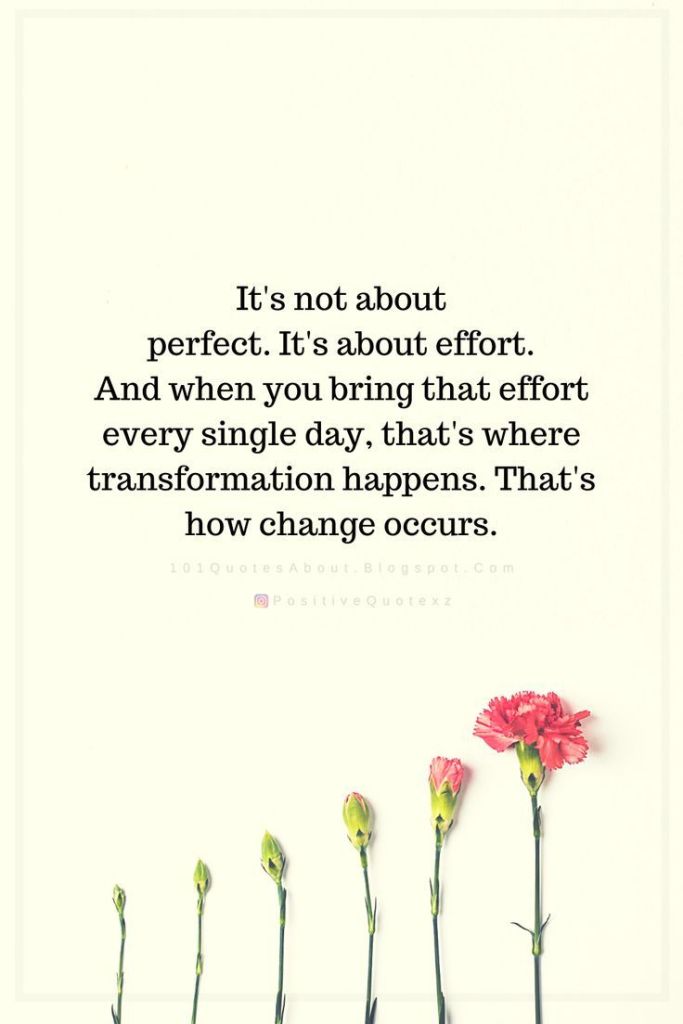
On this cold winter day, I remind you that it’s not about perfection. It’s about the effort we put in and more importantly, the consistency we apply to our health journeys. Approach every day with a clean slate. If you ate too much yesterday (me eating pizza during the football playoffs), it’s all good, just return to your daily routine today. You slept in and didn’t do your gym workout this morning, get up do your 30 minute walk and return to the gym on your next scheduled day. Perhaps your body needed the rest. What we can’t do is give up and stop. Just keep to your routines as best you can and watch the compound effect unfold. 

If you have any questions or comments, please do reach out. I love getting emails at laurakump@reclaiminghealth.blog about your journey. Take a photo of nature from your 30 minute walk and tag me on Instagram at reclaiminghealthblog with #30minutesinnature . Let’s do this together, motivate each other and reach spring feeling healthier. It is only two months away!

Green Means GO

“Life is really simple, but we insist on making it complicated.” — Confucius.

One of the most complicated parts of a healthy lifestyle, for me, is meal choice and planning. Knowing what to eat can really be the make or break of feeling successful. For many years, I have thought I was eating healthy and could not understand why nothing changed. I would eat foods I perceived as healthy and feel good about my choices, only to find out what I thought was healthy wasn’t healthy for me at all. This can be very frustrating. Far worse, the complexity of this can be very overwhelming and truly make one feel like giving up.

Anyone who has read my blog knows that I am about keeping it simple to keep it accessible for all. I need simplicity to feel motivated. Weighing food, calculating macros, meal prepping and all those other strategies are good, but have not been sustainable for me for many reasons. In order to avoid that, I invested in a good food logging app to better understand my eating habits. I have used My Fitness Pal for years and when in doubt about my eating patterns, I always go back to logging to see what is happening. Another app I have used is Noom, an app meant to teach you about your eating patterns by categorizing foods into categories, not based on good or bad, but rather on how much you should consume of each. Both are great apps to gain insight into your eating patterns and uncover why you are not getting the results you want.

Another simple tool I use is Dr Sears Wellness Institute’s Traffic Light Eating which I learned about during my Health Coach certification courses. Traffic Light Eating is based on the familiar concept of driving a car. A traffic light is meant to guide use when driving and can be used in the same way when making choices about food. It’s so simple, Dr Sears uses this with his pediatric patients! 

Green means “go”
Yellow tells us to “slow down”
Red means “stop” and think

Again, like Noom’s system, there are no judgements made about foods we eat and doesn’t ban foods. We all know that taboo placed on foods can make them more desireable. Rather, this tool focuses us on how often and how much of certain foods we consume. Below are the breakdowns of each category on our traffic light used to help us when making selections of food.

Green Light Foods

Green light foods include all fruits and vegetables. They are grown and not manufactured or process artificially. These foods are low in calories and high in nutrients. They provide color to our plates and can be eaten raw or cooked. Green light foods are foods which can be eaten generally free of worry, barring any personal health issues you may have. They are considered go foods and make great choices for all meals and snacks and should play a prominent role in your selections. They were also the group I noticed I wasn’t eating enough of.

Yellow Light Foods

Yellow light foods are fine to eat everyday, but in moderation as they are considered slow down foods. You do not have to give them up, or feel badly if you do eat them. These are the foods, I learned, made up my entire diet. Yellow light foods include: pasta, rice, bread, tortillas, noodles, eggs, lean meat, chicken, low fat yogurt, nuts and seeds, olive oil, soy foods, whole grains, fish, low fat cheese, and vegetable oil.

Red Light Foods

Red light foods are known as “stop” and think foods. We don’t have to eliminate them entirely from our lives, but we should look for different options, or eat them less frequently. When we do choose then, we should pay specific attention to our portions and go smaller. These foods are low in nutrients and high in calories, fat or sugar. Many contain artificial sweeteners or trans-fats. Think about that cookie you ate last night, that would fall in the red zone. You wouldn’t want to eat the whole bag, or eat them every day, but one cookie will not make you fat or a failure. This group, I learned, was my go to group especially when tired, upset or super hungry.

All these tools are very easy to use and guide you as you learn more about your food choices. I appreciated that none of them made me feel badly about myself for my eating patterns. Rather, they seek to empower you through building your knowledge about food. I find myself making better choices in my overall daily eating, including when eating at a restaurant. The biggest change for me was in increase in my intake of vegetables and fruit. 

I recommend you start by looking at your pantry, refrigerator or dinner plate. Start to think about which category the majority of your fall falls in. No judgement, just notice. If you don’t want to do this, I recommend you think about using an app to guide you. Log your food and notice what the analysis tells you about your food patterns. Once you have this data, you can make some adjustments to your food selection and notice what impact it has on you. They say what gets measured gets improved. I fully agree, but what I’d like to measure is not my quantity of food, but my knowledge about the quality of it. 

If you have any questions about the apps, or traffic light eating, feel free to reach out through email at laurakump@reclaiminghealth.blog , Instagram or through the comment section below.

Hold On

Coming out of the holidays, I found myself feeling under the weather. It is so hard to stay on track when we aren’t feeling well. Our body needs rest and we want to keep pushing, but rest is what we need. I’ve learned that our body knows best what it needs, if we choose to listen. This time, I chose to listen. 

I was in bed for a week with the flu at the holidays. Initially, I wasn’t hungry at all. After, I was so hungry that I found myself craving foods I haven’t been eating, think pizza, pasta and snacks. In the past, this time of year was always when I went down the rabbit hole, beat myself up for being lazy and gave up. If I look deeply at my health journey, I see the patterns so clearly. Spring and Summer, highly active periods with good habits, motivation and weight loss. Fall holding steady. Winter lower energy period with weight gains and loss of interest in healthy habits. When I was young, I used to call it my hibernation period during which I needed the extra weight to get through. It just became the normal flow of my life.

If you’ve been following my journey, you know how central being outside in nature is to it. I believe strongly that being outdoors has helped me physically and emotionally. I realize now that the patterns I’ve cycled through each year, make perfect sense as part of the cycles of nature where I live. It is normal for me to have slightly less energy during the wintering period. Knowing this helps me feel better about myself, but I want to be clear it doesn’t give me a pass to give up on my healthy habits, which is what I have done every year. 

I recently read a quote that said, if you want different results, you have to do something different. Common sense for sure, but research shows habits are hard to change. For me, I’m keeping it simple this year. I am holding on as best I can. I wake up each morning with good intentions and a plan.

  • I drink my healthy morning shake no matter how I feel, or what I did or didn’t do the day before. 
  • I try to eat healthy foods, but allow myself forgiveness if I veer off course.
  • I move my body every day, rain or shine no less than 30 minutes a day outside in nature. 
  • I get at least 8 hours of sleep and try to maintain my sleep schedule.
  • I found an indoor space so I can continue to play pickleball four times a week.
  • I am now back in the gym lifting light weights at least twice a week.

The best advice I can give is to hold on tight to the goal of a healthy life. It is the most important work we will ever engage in. It’s truly easier to give up, hibernate an just give up. That will only leave us back at it in the Spring and redoing what we have done each year. This year, I hope to start my high energy period in much better health space than any year before. I hope you will join me in that goal. In order to do that, take some time to reflect on your health patterns across the year. What do you notice? What does that mean for you at this moment in time? Most importantly, what will you commit to do this year?

Please let me know what you decide and how it goes. Sharing your journey will help us all to learn and grow. Leave a comment below, visit me on Instagram or email me at laurakump@reclaiminghealthblog.com . I look forward to learning together.

Things I’m Letting Go Of

 “Authenticity is the daily practice of letting go of who we think we’re supposed to be and embracing who we are.”

— Brené Brown

2023 was quite the year of change for me, not because I wasn’t good enough as I was, but because it was needed to thrive. Fate has a way of getting our attention sometimes and you just know it’s go time. My health was at what I’d describe as my lowest place and it was starting to manifest itself in scary ways. I felt like I was struggling to think clearly and the lack of sleep for months was starting to put my body in a dangerous health space. Having the option to retire, but not feeling it was the right time to do it, fate gave me the clear signal it was time. My husband became ill suddenly in late November 2022 and required surgery. With a 90% blockage in what is called the “widow maker” artery in his heart, I realized just how close we came to losing it all. These life events really make you stop in your tracks.

Realizing just how lucky we were to have gotten through this, I knew it was time to make some changes to my lifestyle choices. My husband was in far better health than I was, or so we thought, so I worried about what was happening inside my body. Following full medical checkups, I began again the journey to reclaim my health. Where in the past, it may have been easy to become derailed, this time I knew the actual stakes involved in making these necessary changes.

2024 will be the continuation of this journey as I continue to focus on learning and growing my knowledge base to improve my choices. I am continuing my focus on self growth and plan to take a deeper dive into my yoga practice starting this month. I am taking a yoga teacher training course to deepen my understanding of Hatha yoga. Self reflection will remain the cornerstone of my work when it comes to life choices and health. With that in mind as I begin 2024, I am reflecting on things I will be letting go and things I will grow. 

Things I Will Be Letting Go Of

  • Making assumptions - I have no way of knowing another’s motives, so I will not engage in trying to.
  • Negative self talk – I am breaking up with my inner critic.
  • Overthinking – I can’t analyze everything
  • Saying no too quickly
  • Alchohol – I never knew just how much it ages me
  • Doing too much – Overdoing just exhausts me and I don’t have to do it all
  • Fear of failure – I don’t have to be perfect all the time to succeed, especially as I try new things

Things I Will Grow

  • Relationships – Continue making new friends and deepen the relationships I have
  • Self Love – Continuing to be kinder to myself through self reflection and meditation walks
  • Saying Yes – Stepping outside the comfort zone and trying new things. Adding to the bucket list.
  • Boundaries – Being more conscious of creating healthy boundaries as I engage in my relationships.
  • Healthy Lifestyle – What can I learn and do to continue on this journey?

These are my thoughts as of today, January 2, 2024. I am sure there are more items I need to reflect on and will grow or revise this list as I go through the year. What can you let go of this year, what can you keep and grow? I’d love to hear about your journey, so feel free to reach out through email at laurakump@reclaiminghealth.blog or comments below. May you have a healthy and happy year of growth in 2024.

I Am Enough

“You are enough, just as you are. Each emotion you feel, everything in your life, everything you do or do not do… where you are and who you are right now is enough. It is perfect. You are perfect enough.” – Melanie Jade.

“The single most revolutionary thing you can do is recognize that you are enough.” – Carlos Andres Gomez.

This time of year always seems to put so much pressure on us all. Coming out of the holidays, where perhaps we ate and drank more than usual, we can be upset with ourselves for our lack of ability to control ourselves. Couple this with being inundated with commercials and advertisements for the new year and all its promise to change our ways and start anew. Deeply rooted in these promises are the premise that we are imperfect and in need of changing. The new year, new you machine has long been a multimillion dollar business that preys on our deepest insecurities. 

Gym memberships, diet pills, meal plans and quick fixes are so successful because we all want to believe that we can change ourselves into a better version. Sadly, come February we likely will confirm what we knew all along, we are incapable of reaching perfection. The gym trips will stop, the diet pills will go in the trash and we will settle in to the acceptance of yet another year of failed promises.

This year, I’d love to see us say no to this idea that we are not perfect. A few years back, my daughter gave me a coin and affirmation to remind me that I Am Enough. I have read it and reread it and really tried to internalize the message. I think I have finally reached a new year in which I am not striving to change myself. Amen!

The best advice I can give is that acceptance of yourself, AS YOU ARE, can and will lead you to a healthier space. There is nothing we need to change, fix or get rid of. Wherever we are in our journey is enough. Remember, I am not on a diet, nor looking to lose weight to be thinner, prettier or happier. I am trying to live a healthier lifestyle to be healthier and hopefully a longer and fuller life. 

Reminding ourselves daily that we are enough as we are is important work. The feelings of inadequacy are often deeply rooted in our being and our inner critic has been empowered for years. Taking back our power is the work to engage in during this new year. Reminding yourself daily, especially when self doubt creeps back in is your action plan. Every time you look in the mirror remind yourself that you are enough just as you are. Every time you feel the inner critic rear their ugly voice, remind yourself that you are enough.  Put a sign on your mirror, your closet, inside your front door and your refrigerator! Say it, breathe it, chant it and most importantly live it. Find others who will support you on this mission, for free. You are worthy and so am I. 

I truly believe in the power of positivity, though I cannot promise it to be the easiest road. It is not a quick fix, but it can be life changing. Let’s make a promise to ourselves this year to stay strong in our belief that we are enough, just as we are right now. We have nothing to change or fix. We are enough just as we are.

Have a healthy and happy New Year. I look forward to sharing your health journey in the coming months. 

Small Changes, Big Results

As part of my health coach certification, I learned many science based tools for healthier living. I’d love to share some with you, as I have found these small changes have had a big impact on my journey. I am a mere 18 pounds away from my target weight, a goal that once seemed impossible when I was 60 pounds away. I’m no longer focused on just my weight though, as I realize my health journey transcends more than just that number.

Over the next few weeks, I ‘d like to share a few of the tips I found most helpful on my own personal journey to wellness. This week, I’d like to share information about foods that help reduce inflammation in your body. Inflammation is a natural process by which your body protects itself from outside invaders, such as bacteria and viruses. Inflammation is often seen as bad, but it is the body’s way of protecting itself. The problems arise when we have too little, or too much inflammation in our body.

Many of us are battling chronic inflammation, due to our lifestyles, which isn’t healthy for our body. Diet, weight gain, illness, injury and life stressors can wreak havoc on our bodies, as my story has illustrated. Weight gain and inflammation affect the production of the hormone leptin, which works in your brain to regulate metabolism and control your appetite. Lower levels of leptin will make you feel hungry, adding to your inability to loose weight. In simple language, inflammation leads to weight gain and weight gain leads to inflammation. You are effectively stuck in this loop and seemingly unable to get out.

Your diet, meaning the foods you eat, can be considered an outside invader. Whatever you put into your body, must be processed by it through the digestion process. There are foods we can consume that will increase our inflammation, think an unbalanced diet with lots of processed foods, that contain ingredients that can activate an inflammatory response. These inflammatory foods are mainstays of the standard American diet, such as red meat, white bread, pasta, chips, pastries, soda and fried foods.

One of the most powerful ways to maintain healthy inflammation levels comes from the grocery store. Dr. William Sears, shared a simple way to think about what foods to eat when seeking to reduce inflammation as part of your health journey. It has been called the Six-S “Diet” to reduce inflammation, with the word diet being used to mean the food you eat, not a program.

  1. Seafood – primarily wild pacific salmon
  2. Smoothies – multiple dark colored fruits, berries, ground flaxseed, organic yogurt
  3. Salads – colorful, arugla, kale, spinach, red peppers, tomatoes, legumes
  4. Spices – turmeric, black pepper, ginger, garlic, rosemary, chilis, cinnamon
  5. Satisfying Snacks – grazing
  6. Supplements – ONLY as necessary to fill in gaps. Omega-3, Astaxanthium

For me, I found Dr. Sear’s list so helpful when planning my daily and weekly meals. I was severely lacking in variety in my meal choices, especially with fruits and vegetables. I’m a creature of habit and was eating a consistent diet of grilled chicken and chopped green salad. I’ve found that now my salads are more thoughtfully constructed, as I seek to add in spices and colors I was lacking. Grazing has helped me with my digestive issues and reduced cravings. The one area I still struggle with is seafood. I do not like salmon, no matter how much I tried. So in this case, I have been exploring other foods rich in Omega and have added in supplementation to close the gap.

My main focus is on the top four Ss listed above. When I plan the week, I am looking to ensure that my menu revolves around these choices. Yes, I do still eat meat, especially chicken, but it no longer drives the meal plan as the main event. As a known vegetable struggler, I have found soups, salads and smoothies serve as places I can increase my intake. I made a beautiful lentil soup this week, in which I added kale, carrots, mushrooms, tomatoes and pearled farro. It’s not perfect by any means, but this helpful information has given me some much needed guidance. Further, I believe it has helped reduce inflammation in my body, as based on my recent bloodwork and weight loss.

When planning your meals for the week, try to incorporate the six Ss listed above. Let me know how it goes and more importantly how you feel. I’m excited for you and look forward to hearing how it goes.

Keep it Simple

The food we eat,
The air we breathe,
The stress we feel,
Causes us to age faster.

The common denominator in these three items listed above is me. I am blessed to be in control of the food I eat. I have limited control over the air I breathe, but I can ensure I get outside in nature everyday, rather than sitting indoors. Lastly, I can control my stress and how much I allow it to take over. I know life is not always easy, having experienced the ups and downs of it, but I know now that the choices I make are what gives me control over my health.

This is a picture of me at my unhealthiest, as a result of poor food choices, lack of movement and an incredible amount of stress. I was literally stressed out of my mind, unable to sleep and experiencing brain fog.

This is a picture of me two months into my journey to reclaim my health. I had been making better food choices and walking for two months time. I remember I felt somewhat better, but still felt stressed, struggled with sleep and some brain fog. I felt like someone who was detoxing and wasn’t sure I could succeed.

This is a picture of me eight months into my journey. I have been consistently making better food choices and moving every day – walking, doing yoga and playing pickleball. I am sleeping better and not experiencing any brain fog.

The book Primetime Health, discusses the importance many of us place on planning for our future. Dr. Sears asks, How many of you have invested in retirement savings plans and IRAs? Like me, I’m betting many of us have planned in some way for our future finances. He then asks, how many of us have planned for our future health? Do you have an IRHA? Do you know what an IRHA is?

An IRHA, is an Individual Retirement Health Account. It is a plan for our longevity and wellness. I can tell you I never thought about making deposits into an IRHA account. I lived my life as I pleased and addressed any issue as it arose. The shift here is to live more proactively, ensuring that issues are less likely to arise. This shift brings us back to the food we eat, the air we breathe and the stress we feel. If we eat less processed foods, move daily and reduce stress, we can see success on our journey. That doesn’t come in a bottle, it comes from our choices and determination to make deposits into our health accounts.

What I have been doing is hard work for sure, but it doesn’t feel hard. I have kept things very simple. I love to cook and we eat most meals at home, though we do eat out at least once a week. I keep my meals simple, protein, complex carbs and vegetables. I move everyday and enjoy what I do. As I said last week, walking daily is my meditation time. It really helps me clear my mind and process any feelings that come up. Yoga is so good for the mind and body and I take classes three times a week. Pickleball feels like playing outside when you were a young child. We laugh, we play hard and we have so much fun. Enjoying the exercise you do is important to make it happen. Find something you love!

When I first heard about the IRHA account, I began to worry. I knew I made so many bad choices through the years. I also knew it is never too late to start again, one day at a time. My days are not perfect, but my choices are far better. Knowing that I am the one who controls my outcomes gives me pause to make better choices. There are many days I feel like just staying home and not doing anything, especially now that it’s colder. I push through that and remember I must make my daily deposit into my wellness account. There is absolutely nothing more important than that.

Please share what you are doing on your health journey. I’d love to deposit those ideas into my IRHA account. Comment below, send me an email or comment on my Instagram page. Together we are stronger.

There’s No There There

Thinking about this past year, I like to think about how far I’ve come. I’d like to say I have achieved my goal and host a celebration of some sort. But, sadly I’ve been down this road before. I’ve achieved a goal weight or fitness goal, only to regain the weight and lose the fitness strength. It’s not because I am a failure, slacker or loser, though that is how I used to think prior to giving up. Honestly, I bet this has happened to many of us. How many times have you lost and gained the same 20 pounds? I’ve finally realized that creating a sustainable healthy lifestyle is the actual work I need to focus on. Do you know how long it took me to understand this concept? My whole life.

Me at my son’s wedding

Like me, I bet many of you have focused on losing weight for a specific reason. For example, an upcoming special event is always on the list of reasons. A few years ago, I waited to shop for a dress to wear to my son’s wedding. I was waiting to lose weight before ordering it. I almost waited too long and truly cut it close on getting a dress in time. I never did lose the weight either.

NYC Marathon medal

Another time, I worked out for several years to achieve the goal of finishing a full marathon. It took me three years to meet this goal, but over the course of three years of training, I had sustained several serious injuries leaving me wondering why it ever was so important to me to meet this goal. I finished the NYC Marathon, met my goal and then had to give up long distance running as a result of the damage I did to my hips and ankle.

In both of those examples, what was lost on me was that I was focusing on the end result, not the process. What I really wanted, was to be physically fit and healthy. What I focused on was losing weight and finishing a marathon. What I accomplished was losing weight, which I gained back; and finishing a marathon. Both of those were truly wonderful accomplishments, but neither did anything to help me create the sustainable, healthy lifestyle I was seeking.

I thought that by engaging in those two goals, I would become healthy. What I realize now is that living a healthy lifestyle is a process and that meeting one goal along the way doesn’t mean I’ve arrived at my destination. In fact, I’ve learned there really is no there, there. The destination is not something I can reach and be finished with the journey. Rather, I have to commit to creating and maintaining this healthy lifestyle for the rest of my life. It doesn’t just stay in place on it’s own, it takes commitment and work, but it also doesn’t have to be so hard.

These revelations did not come easy and quite honestly can be intimidating. I have tried every diet plan you can think of, had success and then went right back to my “old ways”. In all honesty, I love pizza. As I’m typing this, I am thinking about how hard I tried in the past not to have pizza because it wasn’t “good for me”. Does that sound sustainable? Not in any lifetime, is never eating pizza again sustainable for me.

While reading Prime-Time Health by William Sears, MD, I came across an acronym that has helped me rethink how to achieve a healthy lifestyle, which has been my actual goal all along. He uses the acronym LEAN to outline the four pillars of health.

  • Lifestyle – How we live
  • Exercise – How we move
  • Attitude – How we think
  • Nutrition – How we eat

I have found that this simple tool has led to my understanding that I did not have a strong system in place to create and maintain a healthy lifestyle. Rather, I was specifically focusing on what I ate, what I could do for exercise and what I looked like. I gave very little attention to my lifestyle choices, or my thoughts about myself. When I was meal planning, I focused on the what of eating. What could I eat that wasn’t full of carbs, fat, calories, etc; not, how I could eat to feel better. When I focused on exercise, I focused on what I could do to burn the most calories; not, how can I move throughout my day. This led to me forcing myself to push through routines, even when I was hurting, which ultimately led to stress fractures.

Attitude is the area I am specifically focused on right now. I take time each day to notice, note and move on. If I notice my weight is up, I take some time to think about the possible reasons why and reflect on any changes I might need to make. I come from a place of learning and inquiry. I no longer beat myself up, get down on myself about it, or worse give up. I choose to write positive affirmations about myself every day in my journal. I also have one word that reminds me of my why, my purpose for doing any of this work. I write this one word in my journal every day as well. I have found that just adding these two things to my morning routine have helped me stay grounded in the process of creating a healthier lifestyle and not getting stuck on just trying to lose weight.

I know that sounds so simple, but I realized that I am the one who has made this all so hard, by focusing on the wrong things. I plan to use the L.E.A.N. pillars to keep myself focused on what matters most – healthy living. How about you? How are you doing with your journey? Please continue to reach out, as I enjoy reading your stories.

Me this week with my brothers and dad

The Notebook

Anyone who met my dad these past ten years would inevitably ask him the same question, “Did you ever watch The Notebook?”  He always replied, “No.”  They would then say, “You really should.”  On a rainy night in early December, I met my dad for dinner after a work event near his home.  As we were waiting for our dinner, dad told me he had watched the movie.  He said he wanted to know why everyone he met asked him if he had.   I was surprised that he watched and actually sad that he had to sit through that.  I asked him what he thought about the movie and he said simply, “I get why they wanted me to see it.  That is what I want.  I want to die like that and if I could, I would.”

Life in COVID19 times had other plans though.  Sadly, his beautiful wife of 65 years, my mother, passed on April 8th alone, without him by her side.  Losing her has been hard, knowing she was alone when she left us has been harder.  Not being able to give her a proper funeral, though he made it that for her despite just him, my brother and I being the only ones in attendance, the final insult.  COVID19 knows no boundaries and cares not for anyone it takes.

Sadly, my mother was living in a care center these past few years.  Throughout her illness, my dad cared for her himself, alone in their home of 60 years.  He lovingly did everything and anything needed without asking for help.  When we hired an agency to provide in home care, he still did everything for her including washing, diapering, cooking, feeding and anything else needed.  The aide was amazing, but merely provided company for mom and allowed dad to have some time to go shopping, or share coffee with friends at the local coffee shop.  He refused to allow anyone to provide the intimate care mom needed to protect her dignity.

When home care was no longer an option, as mom had several falls within the home and dad and the aide were unable to get her back up, it became time to consider nursing care.  We put mom in the hands of a very small nursing facility.  This became dad’s home as well, as he was there every morning before 9 to feed mom breakfast.  Despite being in his 80s, dad would walk the mile and a half, or ride public transportation to get to the nursing home daily.  He sat there every single day until late in the afternoon, despite the fact that mom was in good hands, unable to communicate anymore and sadly didn’t know who he was. None of that mattered to him.  He signed up for better and worse and he loved her more than anything.  He never came to family holiday dinners because he stayed with her as that was where he wanted to be and would never leave her side.

Dad loved visiting with mom at the nursing home and loved the aides and staff that worked there.  He thought of them as friends and treated them as such.  Sometimes I think dad thought he worked there.  He was there to feed mom her meals and helped push other patients in their wheelchairs if they needed help.  He sat with mom and talked to her as if she understood him.  He bought her new clothes all the time and personally washed all her clothing.  My mother loved to be dressed nicely her whole life.  You never saw my mom without her hair done, lipstick on and nicely dressed.  Dad ensured that this continued in nursing care.  Her hair was always clean, set and brushed.  She always had a nice outfit on and yes, even lipstick.  He made sure her nails were groomed and polished and treated her like the queen she was.

When COVID caused the nursing facility to lock down and not allow dad in, he was devastated.  I picked him up and had him come to my home for quarantine.  He was here when he first saw the Governor’s and Health Commissioner’s order mandating that nursing homes accept patients regardless of their COVID status.  We were horrified and scared for mom.  We called the NY Post, the paper dad has read daily for years, to ask them about this order.  The woman at the news desk said she knew nothing about it and asked my 89 year old father if he could prove what he was saying.  He responded, I don’t have the order here, but you can find it.  Can’t you look into this and do something?  That was on March 25, 2020.  That was well before over 2,000 people had died.

A few days later dad received the call we dreaded.  Mom had a low grade fever and her oxygen levels were low.  They wanted us to know that they had no access to ventilators if needed and should they send her off to and emergency room.  I asked if they had COVID positive patients at the facility, or positive staff members.  I was informed that they had one newly admitted patient that was COVID positive on her floor.  I asked them to test my mother and they did.  Mom was positive for COVID.  Sadly, I drove my dad to the nursing home.  They suited him up in protective gear and allowed him one visit with mom.  I was not allowed in to see her, nor was my brother.

The following week was a series of ups and downs.  Mom’s fever came down after being placed on medication.   She was able to eat her food and swallow.  We were hopeful she would recover as we caught this very early.  Mom also had a private room at the nursing home, that we had paid for as dad had always wanted her to have her dignity and privacy.  We thought this isolation would prove to be her saving.  Sadly, this was not to be.  On April 8, my mother passed alone in her room.

This love story had no Notebook ending, one where my dad was allowed to die next to the love of his life.  This love story of 65 years, during which my parents never spent a day apart, despite Alzheimer’s disease and its devastation ended without him even being present.  This love story had an ending that wasn’t deserved.  My mother did not deserve what happened to her.  She was not sick, she had Alzheimer’s.  She had no underlying conditions and she was not at the end of her life.  She was placed in the hands of a nursing home, which due to the mandates of our state was unable to save her.  She was in a sense murdered by an order that our governor cares so little about and continues to pretend he has no awareness of.  I think we should rename that order Matilda’s law as a legacy to his mother.  I wonder if she is proud of her son’s actions.

My mother and father were married for over 65 years.  Neither of them deserved what happened.  Nor did the other 2,000 other patients, and families, that have died in nursing care.  Sadly, nobody seems to care about this tragedy, nor will they take the story.  Only after the death toll had risen did the NY Post report on this story.  Many papers and media outlets still have not.  It is my hope that we can draw attention to and get this order changed.  I ask that we do this in honor of my mother Else Hess, who deserved to die surrounded by the love and care that she had for her entire life.  I ask that we do this in honor of my dad George Hess who struggles to accept that he was not able to be there for her when she needed him most.

We will never forget.